Prep time: 10 minutes
Cook time: 0 minutes
Total time: 10 minutes
Servings: 1 cup
Homemade mayonnaise is one of those culinary wonders that transforms simple ingredients into a creamy, flavorful condiment that elevates any dish. Imagine slathering freshly made mayonnaise onto a sandwich or using it as a base for salad dressings, all while knowing exactly what’s in it. This recipe is particularly special because it contains no sugar, making it a healthier choice without sacrificing taste or texture.
In this article, you will learn not just how to make mayonnaise, but also tricks for ensuring that it emulsifies perfectly and tips for customizing it to your liking. You will also discover how this homemade version stacks up against store-bought varieties, both in flavor and health.
What Is Homemade Mayonnaise (No Sugar Recipe)?
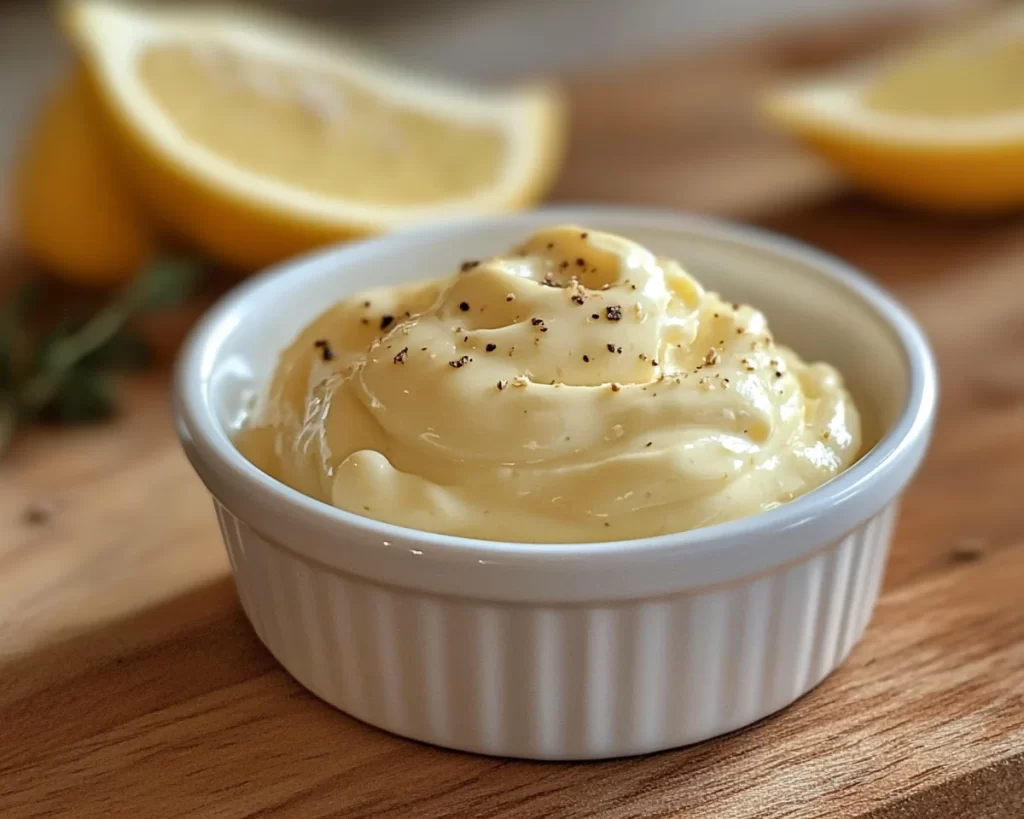
Homemade mayonnaise is a classic emulsion made from eggs, oil, and a flavoring agent such as vinegar or lemon juice. The beauty of making mayonnaise at home lies in how quickly you can whip it up and the freshness it delivers. Typically, mayonnaise has a rich, creamy texture and a slightly tangy flavor that provides a delightful contrast to many foods.
Though mayonnaise has roots in French cuisine, it has become a staple around the world. The process of *emulsifying*—blending oil and water-based ingredients into a creamy mixture—creates a satisfying thickness that is hard to replicate with store-bought options, especially when prepared without sugar. The absence of sugar doesn’t mean a lack of flavor; in fact, the natural taste of the ingredients shines through, making each tablespoon genuinely enjoyable.
When you decide to make mayonnaise at home, you’re also taking control of the ingredients. Store-bought versions often contain preservatives and additives, whereas homemade mayonnaise is made with fresh ingredients that you can trust, making it a healthier option.
Why You’ll Love This
You’ll fall in love with this homemade mayonnaise because it’s not only simple and quick to prepare but also leads to a velvety texture that’s unmatched by mass-produced brands. The rich and creamy consistency can elevate a mundane sandwich into a gourmet experience, and the tang delivered by your choice of acid, whether it be vinegar or lemon juice, adds a refreshing twist. Additionally, preparing mayonnaise at home is often more budget-friendly than buying high-quality store-bought alternatives.
Another wonderful aspect of homemade mayonnaise is its versatility. You can customize it with various herbs, spices, and flavors to perfectly match your dishes. Many people mistakenly believe that making mayonnaise is complicated or requires special equipment, but I assure you, with just a few kitchen tools like a whisk or an immersion blender, you will find the process quite straightforward.
Furthermore, reducing added sugars in your diet is beneficial for overall health. This sugar-free mayonnaise aligns with various dietary needs, ensuring you can enjoy a beloved condiment without the guilt.
Ingredients You’ll Need
To make **homemade mayonnaise**, you will need the following ingredients:
- 1 large egg: This serves as the emulsifier. The egg yolk contains lecithin, which helps to blend the oil and liquid together.
- 1 tablespoon Dijon mustard: Adds flavor and helps stabilize the emulsion.
- 1 tablespoon vinegar or lemon juice: Provides acidity, balancing the richness and enhancing the flavors.
- 1 cup oil (vegetable, olive, or avocado): The base of the mayonnaise; choose a neutral oil for a milder taste or olive oil for stronger flavor.
- Salt: For seasoning; adjust according to your taste preference.
These ingredients are not just essential; they play specific roles that help create the perfect mayonnaise. If you want to substitute the egg, consider using an egg substitute like aquafaba (the liquid from canned chickpeas), which creates a vegan version. As for the oil, grapeseed or sunflower oil can also work well, providing a light flavor.
How to Make
Making homemade mayonnaise is easier than you might think. Here’s how to do it step-by-step:
- Gather Your Ingredients: Start by ensuring you have all the ingredients measured and ready. This preparation allows you to focus on the mixing process and guarantees a smoother emulsification.
- Combine the Base Ingredients: In a medium bowl, add the large egg, Dijon mustard, and vinegar or lemon juice. Using a whisk or an immersion blender, blend these items together until smooth. This mixture should blend nicely within the first minute.
- Drizzle in the Oil: While continuously whisking or blending, slowly drizzle in the cup of oil. It’s crucial to add the oil gradually; if you pour too quickly, the mayonnaise may not emulsify correctly. As the mixture starts to come together, you can increase the speed of pouring slightly.
- Season to Taste: Once the mayonnaise achieves a thick and creamy consistency, taste it and add salt. Depending on your preference, feel free to add more vinegar or lemon juice to enhance the flavor.
- Store Properly: Once completed, transfer your mayonnaise into a clean airtight jar. It can be stored in the refrigerator for about one week. Always ensure your utensils are clean to prevent contamination.
Throughout this process, keep an eye on the texture. You want the mayonnaise to be thick but spreadable; it should cling to a knife or spoon without dripping.
Variations & Substitutions
Garlic Aioli Variation: If you enjoy garlic, adding roasted garlic or minced raw garlic to your mayonnaise creates a flavorful aioli. This variation is perfect for dipping vegetables or adding an extra punch to sandwiches. Just blend in one to two cloves of garlic in with your base ingredients, and you’re good to go.
Herbed Mayonnaise Variation: Fresh herbs can turn your mayonnaise into a beautiful accompaniment for many dishes. Basil, dill, or parsley mixed in will provide a delightful freshness. Finely chop about 1-2 tablespoons of the herbs of your choice and mix them in after the mayonnaise has thickened.
Spicy Mayonnaise Variation: If you’re a fan of heat, consider adding sriracha or cayenne pepper to your mayonnaise for a spicy kick. Begin with one teaspoon of your favorite hot sauce, then adjust according to your taste. This variation is fantastic for burgers, fish tacos, or as a dip for fried foods.
Curry Mayonnaise Variation: For a unique twist, stir in curry powder to your mayonnaise. Start with one tablespoon, mix well, and adjust according to taste. The aromatic flavor works beautifully with chicken salads or as a dunk for fries.
Mustard Mayonnaise Variation: For lovers of mustard, increase the amount of Dijon or try using whole grain mustard for added texture. The vibrant color and taste can elevate simple sandwiches to gourmet status.
Common Mistakes to Avoid
A few common pitfalls can derail your mayonnaise-making efforts.
One frequent error is pouring the oil too quickly during the emulsification process. If you add oil too fast, the mayonnaise may separate instead of blending smoothly. To avoid this, start with just a drop or two and gradually increase to a thin stream.
Another mistake is using ingredients at different temperatures. All ingredients should ideally be at room temperature to ensure that they blend well. If you use cold eggs or oil, the emulsion may fail.
Lastly, if your mayonnaise does not thicken, it can sometimes be salvaged. Simply start with a new egg yolk in a fresh bowl, and slowly whisk in the failed mayonnaise mixture until it thickens again.
Storage, Freezing & Reheating Tips
Homemade mayonnaise is best stored in the refrigerator, where it will last around one week. Always use a clean spoon or utensil to scoop out what you need to avoid contamination. If your mayonnaise starts to separate, give it a good stir before using it.
Freezing mayonnaise is not recommended because the emulsion may break when thawed and lead to an undesirable texture. However, when stored properly in the refrigerator, you can enjoy the fresh taste for several days.
If you plan to make large batches, consider scaling down your quantities to keep it fresher for longer. Another solution is to divide into smaller jars and enjoy them over time without worry.
Frequently Asked Questions
Can I use olive oil instead of vegetable oil? Yes, you can use olive oil for a more robust flavor in your mayonnaise. However, keep in mind that extra-virgin olive oil can be quite strong, so you may want to mix it with a neutral oil like grapeseed oil to balance the flavors.
How can I make my mayonnaise thicker? If your mayonnaise doesn’t thicken, it’s likely due to the oil being added too rapidly. You can also try adding an extra egg yolk to the mixture to help it emulsify more effectively.
What if my mayonnaise separates? If your mayonnaise separates, it can be saved by starting with a fresh egg yolk in another bowl. Slowly whisk in the separated mayo until it thickens again, creating a delicious emulsion.
Is homemade mayonnaise healthier than store-bought? Yes, homemade mayonnaise is often healthier because it is made fresh with no preservatives, artificial ingredients, or added sugars. You have complete control over what goes in it.
What should I do if my mayonnaise has a strong egg flavor? If you find the flavor of the egg too strong, adding more acidic elements like vinegar or lemon juice can help to balance the flavor. Additionally, consider using pasteurized eggs for a milder taste.
Conclusion:
In summary, this homemade mayonnaise recipe not only opens the door to a richer flavor experience but also provides an opportunity to embrace healthier eating habits. With minimal effort, you can customize this classic condiment to suit any meal or preference. Whether you are a seasoned chef or a kitchen novice, you will find that making homemade mayonnaise is not just easy but incredibly rewarding. I encourage you to try it out, experiment with different variations, and make this delicious, sugar-free mayonnaise a staple in your kitchen. Don’t hesitate to share your results or let your friends know how simple it really is!