Prep time: 10 minutes
Cook time: 0 minutes
Total time: 10 minutes
Servings: 1 cup
Imagine whipping up a perfect condiment in mere minutes, your kitchen filled with the rich aroma of creamy, homemade mayonnaise. There’s something truly satisfying about creating staples in your kitchen, especially when they elevate your meals and enhance your culinary creativity. Homemade mayonnaise is not just about taste; it’s about texture, freshness, and the delightful feeling of doing it yourself.
This recipe for Homemade Mayonnaise using the **No Fail Hand Blender Method** is special because it eliminates the usual anxiety of making mayonnaise. Often, people are intimidated by the idea of making mayonnaise from scratch due to the chance of curdling or a separation of ingredients. With this method, you will achieve a creamy, smooth consistency every time. You’ll learn the basics of mayonnaise-making and the picky details that can make your homemade version stand out. This guide will cover everything, including flavor variations, troubleshooting tips, and, most importantly, how to make **restaurant-quality mayonnaise** in your kitchen.
What Is Homemade Mayonnaise (No Fail Hand Blender Method)?
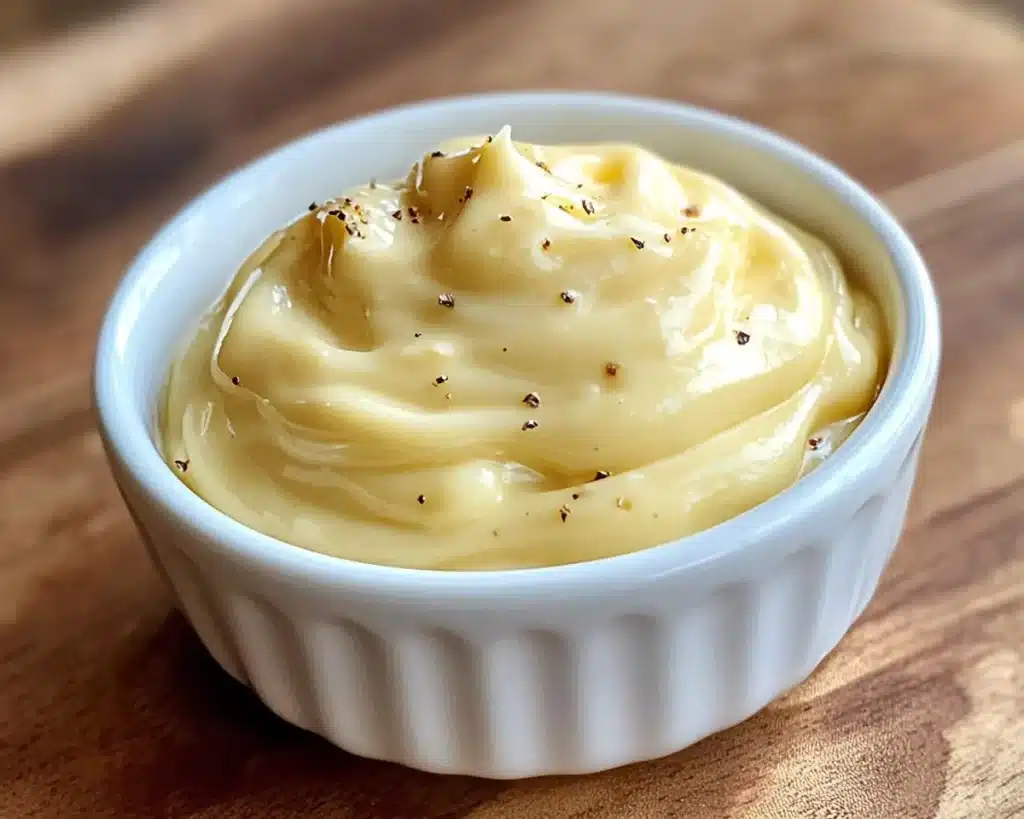
Homemade mayonnaise is an emulsion of **oil**, **egg yolk**, and an acid, most commonly **vinegar** or **lemon juice**. It originated from France, where it has become a staple in many recipes. The primary characteristics of mayonnaise are its creamy texture and a rich, tangy flavor that can elevate dishes like sandwiches, salads, and dips.
The beauty of mayonnaise lies not just in its taste, but also in its versatility. Using the **No Fail Hand Blender Method** means that the mayonnaise comes together quickly without the worry of it curdling or breaking. This method allows you to control the ingredients and adjust flavors to your liking. You can play with the acidity levels or add seasonings to create variations that fit your personal taste or dietary needs. It’s a culinary masterpiece that anyone can create, even those who might consider themselves beginners in the kitchen.
This mayonnaise recipe results in a smooth and creamy condiment that is far superior to store-bought options, offering both richness and a personalized touch. With just a few basic ingredients and a hand blender, you can create a product that often costs more in-store, and it’s free from preservatives and unnecessary additives.
Why You’ll Love This
The **taste** of homemade mayonnaise is unmatched. It’s richer and more flavorful than anything bought off a shelf, thanks to the fresh ingredients you choose. Beyond flavor, preparing homemade mayonnaise is incredibly **easy**; with just a hand blender, you can have this creamy delight ready in under ten minutes. Additionally, making your own mayonnaise is **cost-effective**. You may find that the ingredients, particularly the oils, can be found in bulk for cheaper prices than those ready-made in jars.
Many people mistakenly believe that making mayonnaise is only for experienced chefs or requires complex techniques, leading to anxiety or avoidance. But the truth is, this recipe dispels those myths and proves that anyone can make high-quality mayonnaise at home. Plus, unlike store-bought mayonnaise, there are **no added preservatives**, so you know exactly what’s going into your body.
Mayonnaise is also incredibly versatile. You can use it as a base for various dips, as a spread on sandwiches, or even as a dressing for salads. Imagine the feeling of pride you’ll have serving dishes with homemade condiments, knowing that you are not just feeding people, but also sharing a bit of culinary love.
Ingredients You’ll Need
To create your homemade mayonnaise, you’ll need the following **simple ingredients**:
- 1 large egg yolk – This acts as the emulsifier, leading to that creamy texture.
- 1 tablespoon Dijon mustard – Adds depth and a spicy kick. You can substitute it with yellow mustard, but the flavor profile will differ.
- 1 tablespoon white wine vinegar or lemon juice – Choose vinegar for a sharper taste or lemon juice for a subtler tang. This also helps in emulsification.
- 1 cup neutral oil (like canola, grapeseed, or sunflower) – The oil provides the bulk and richness of the mayonnaise. Using extra virgin olive oil will yield a stronger flavor.
- Salt – To taste, typically about 1/2 teaspoon is enough.
These ingredients serve specific roles in the mayonnaise-making process. The **egg yolk** binds everything together, while the acid (vinegar or lemon juice) and mustard stabilize the emulsion. The **oil** is what gives you that luscious, creamy consistency, and the **salt** balances the flavors, ensuring your mayonnaise tastes just right.
How to Make
Making mayonnaise may seem daunting, but with the hand blender method, it’s remarkably straightforward. Follow these easy steps:
- Gather your ingredients. Ensure your egg yolk is at room temperature to promote proper emulsification. Measure out your oil, vinegar, mustard, and salt, and have your hand blender ready. If your egg yolk is cold, simply run it under warm water for a few minutes.
- Combine ingredients in a container. Place the egg yolk, mustard, vinegar (or lemon juice), and salt into a tall container that’s designed to fit your hand blender snugly. A glass jar works perfectly for this, as it can help with the blending process.
- Blend. Insert the hand blender all the way to the bottom of the jar. Turn it on and keep it at the bottom for about 10 seconds. You’ll witness the mixture turning lighter in color and starting to emulsify.
- Add the oil gradually. Slowly pour in the oil while continuing to blend. We recommend adding the oil in a steady, thin stream. This process is crucial for making the mayonnaise properly emulsify, achieving that desired smooth texture.
- Lift the blender out of the jar as the mixture thickens. Continue blending until all the oil is combined, and you achieve a fluffy and creamy mayonnaise. If it’s still a bit runny, simply blend for a few more seconds.
- Taste and adjust. Once your mayonnaise has reached the right consistency, taste it. If you feel it needs more salt or a bit more acidity, now is the time to adjust it. Blend again briefly to mix any additions.
And there you have it! Your homemade mayonnaise is ready in just minutes. The texture should be creamy and thick, perfect for spreading on sandwiches or as a base for dips.
Variations & Substitutions
Garlic Aioli: Transform your mayonnaise into a delicious garlic aioli by adding 2-3 cloves of minced garlic. Add the garlic at the same time as the other ingredients in your blending jar. This variation delivers a rich, savory flavor that’s perfect for dipping fries or drizzling on grilled vegetables.
Spicy Mayonnaise: Add a touch of heat to your mayonnaise by mixing in 1-2 teaspoons of your favorite hot sauce, such as Sriracha or harissa, after you have blended your initial mayonnaise. This spicy kick is great for sandwiches or as a drizzle on tacos and burgers.
Herbed Mayonnaise: Incorporate flavor by adding 1 tablespoon of finely chopped fresh herbs like parsley, dill, or chives. Blend the herbs in at the end for a fragrant mayonnaise that complements grilled fish or chicken beautifully.
Vegan Mayonnaise: For a vegan option, swap out the egg yolk with silken tofu. Use the same proportions for the tofu as you would the egg yolk. Blend all ingredients together, gradually adding the oil, to create a thick and creamy dairy-free mayonnaise.
Citrus Mayonnaise: Add citrus flair by mixing in a teaspoon of lemon or lime zest along with the acid. This refreshing twist works wonders as a salad dressing or marinade for grilled seafood.
Each variation showcases how easily you can adapt the basic mayonnaise recipe to fit various tastes and dietary preferences. You can have fun experimenting with ingredients until you find the perfect blend for your needs or even create your own blends based on what you have at home.
Common Mistakes to Avoid
While making mayonnaise may seem easy, there are pitfalls to watch out for. One of the most common mistakes is not allowing your ingredients to **reach room temperature**. Cold ingredients can prevent proper emulsification, resulting in a broken or watery mayonnaise. Always allow your egg yolk to warm slightly before starting; this ensures a successful blend when you start mixing your oils in.
Another issue arises from pouring in the oil too quickly. **Emulsification** is a crucial process where oil and water-based ingredients combine. If the oil is added too fast, it can overwhelm the yolk and prevent them from mingling properly. Make sure you’re pouring the oil in a thin stream; patience is key here.
Additionally, remember to check the seasoning. It’s easy to forget about the salt, and no one likes bland mayonnaise. Always taste and adjust accordingly before you finish blending.
In case your mayonnaise separates, don’t panic! You can often save it. Just take a new egg yolk in a clean bowl and very slowly whisk in the separated mayonnaise. This can help bring everything back together smoothly.
Storage, Freezing & Reheating Tips
Homemade mayonnaise can be stored in an airtight container in the refrigerator for up to one week. **Food safety** is vital; always use clean utensils to scoop out your mayonnaise, avoiding introducing bacteria that can spoil it. Keep it at or below refrigerator temperature, preferably under 40°F (4°C).
Freezing mayonnaise is not recommended due to the nature of the emulsification, which can break when thawed, leading to a grainy texture. If you’re interested in making larger batches for meal prep, consider making smaller amounts to store over the week.
If you have leftover mayonnaise that you plan to use later, consider utilizing it in different ways, like adding it to pasta salads or using it as a base for other sauces, thus minimizing waste while keeping your meals delicious.
Frequently Asked Questions
Can I use olive oil for mayonnaise?
You can indeed use olive oil, but keep in mind that it has a strong flavor that may dominate your mayonnaise. Many prefer to use a mix of olive oil and a neutral oil to still embrace that rich taste while maintaining balance.
Can I make mayonnaise without mustard?
Yes, you can make mayonnaise without mustard. While mustard helps in stabilizing the emulsion and adds flavor, you can omit or replace it with an equivalent amount of extra acid, such as vinegar or lemon juice.
What do I do if my mayonnaise has a grainy texture?
If your mayonnaise turns out grainy, it likely means that the oil was added too quickly or the emulsification failed. To correct this, you may start fresh with a new egg yolk and slowly whisk the grainy mayonnaise into it until it becomes smooth.
Can I add flavorings to my mayonnaise before blending?
Certainly! You can incorporate garlic, herbs, or spices at the beginning of the blending process. Just remember that whatever you add should complement the other ingredients and not overwhelm the flavor.
How can I make my mayonnaise thicker?
If you’re looking for thicker mayonnaise, consider adding more oil gradually while you’re blending. If it becomes too thick, a tiny splash of water or lemon juice can help you achieve the desired consistency without compromising the taste.
Conclusion:
Homemade mayonnaise is a rewarding project that showcases just how simple and delicious homemade condiments can be. It embodies the spirit of cooking — taking a few basic ingredients and crafting something spectacular. I encourage you to try your hand at this recipe, perhaps even experimenting with various flavors to suit your style. Don’t hesitate to share your creation with friends and family; they’ll be impressed by your culinary skills. Embrace the joy of making your mayonnaise today!