Prep time: 5 minutes
Cook time: 2 minutes
Total time: 7 minutes
Servings: 1 cup
Sometimes, a simple condiment can transform an ordinary meal into something extraordinary. Imagine biting into a fresh, homemade sandwich slathered with creamy mayonnaise that you’ve made in just two minutes. This Homemade Mayonnaise recipe is not just quick; it’s a culinary game changer. It brings forth fresher flavors and a creamier texture that store-bought versions simply cannot match. Not only that, but making your own mayonnaise allows you to control the ingredients, making it a healthier choice for your family.
In this guide, you’ll discover everything there is to know about making easy homemade mayonnaise. From its origins to its versatile uses, you will learn tips to ensure your mayonnaise turns out perfectly every time. Plus, we’ll explore variations you can try to suit your taste preferences. Prepare to impress your family and friends as you whip up this simple yet impactful condiment that will elevate your culinary creativity.
What Is Homemade Mayonnaise (Easy 2-Minute Blender Recipe)?
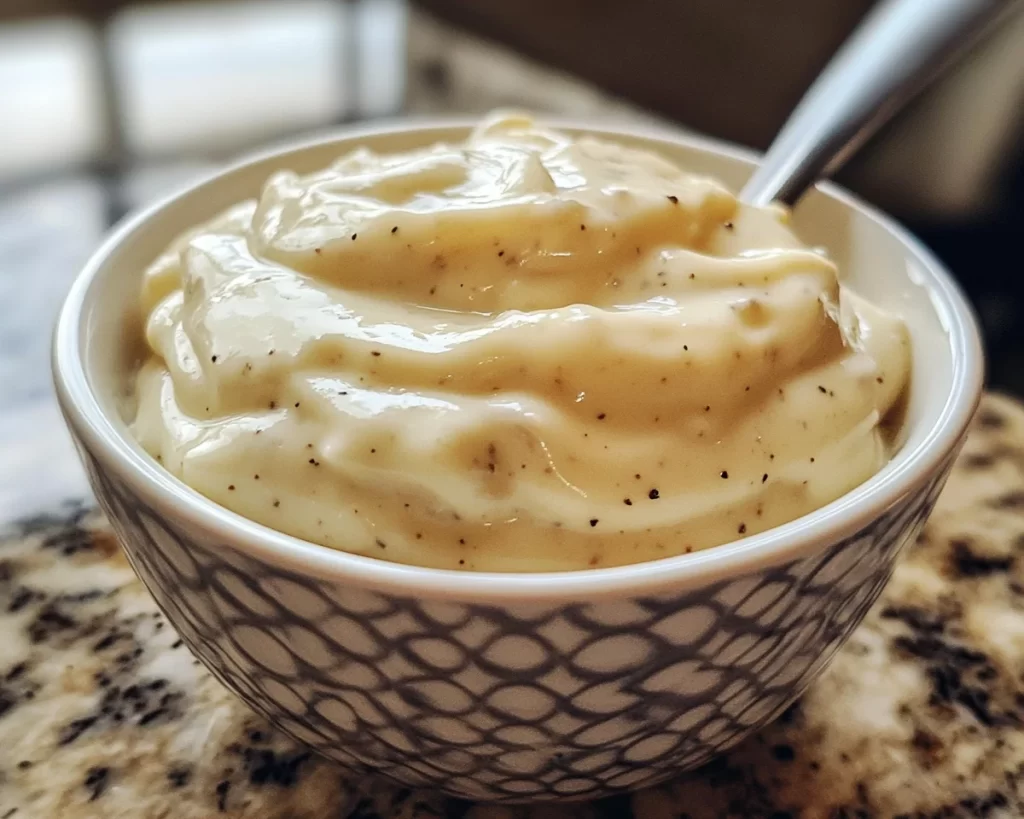
Homemade mayonnaise is a creamy condiment made primarily from oil, egg yolks, vinegar or lemon juice, and spices. Its origin can be traced back to the 18th century in France, where culinary innovations were just beginning to take shape. The texture should be thick and velvety, akin to a rich custard. The flavor is a delightful balance of tanginess from the acid and the luxurious smoothness from the oil, making each spoonful a burst of indulgence.
Making mayonnaise at home is surprisingly easy and requires only a few basic ingredients, allowing you to know exactly what you’re consuming. The characteristic emulsification process involves combining fat (oil) with water (from the egg yolk) to create a stable mixture. This culinary alchemy can seem daunting at first, but with an electric blender, it’s practically foolproof. You can customize the flavor profile to suit your preferences, resulting in a condiment that feels tailor-made for your palate.
Why You’ll Love This
This Homemade Mayonnaise recipe is a revelation for several reasons. To begin with, it offers an unparalleled taste that is richer than anything you can buy at the store. The ability to control ingredients also means you can avoid preservatives and unnecessary additives, making it a healthier alternative. Budget-conscious cooks will appreciate that making mayonnaise at home can save money, especially considering the minimal ingredients required.
You may have heard that making mayonnaise requires skill or complex techniques—this is a common misconception. Many people shy away from it for fear of ending up with a broken emulsion. However, this recipe focuses on simplicity, guiding you through each step to ensure success. You’ll realize that with a blender, you can achieve consistency and flavor faster than you ever thought possible. This homemade version can replace store-bought mayo in sandwiches, as a dip, or as a base for homemade dressings, proving its versatility.
Ingredients You’ll Need
- 1 large egg yolk: The egg yolk acts as an emulsifier, binding the oil and water together. For a vegan option, a flax egg or aquafaba (chickpea water) may be used.
- 1 tablespoon Dijon mustard: This adds spice and flavor to the mayonnaise. You can substitute with yellow mustard for a milder taste.
- 1 tablespoon white wine vinegar or lemon juice: This provides acidity, balancing the richness of the oil. Feel free to use apple cider vinegar for a different flavor.
- 1 cup neutral oil (like canola, vegetable, or light olive oil): The oil is the primary ingredient, giving mayonnaise its creamy texture. Use a high-quality oil for the best results.
- Salt to taste: This enhances all the flavors. Opt for sea salt or kosher salt for a more refined flavor.
Each ingredient plays a critical role in the final outcome, resulting in a luscious and flavorful mayonnaise. The good news is that substitutions are easy, and you can personalize your mayonnaise to suit dietary preferences or mood.
How to Make
1. Begin by gathering all your ingredients. This ensures you have everything at hand and ready to go. A clean countertop and a measuring cup will help streamline the process. It might help to allow your egg yolk to come to room temperature for smoother emulsification.
2. In your blender, add the large egg yolk, followed by the Dijon mustard and white wine vinegar or lemon juice. Blend these ingredients together for about 10-15 seconds until well combined. This step is essential in creating a good base for your mayonnaise.
3. With the blender running on low speed, slowly drizzle in the neutral oil. It is important to do this very gradually, literally a drop or two at a time at first. This helps create a stable emulsion. As you see the mixture begin to thicken and emulsify, you can increase the oil’s flow to a thin stream.
4. Continue to blend until all the oil is incorporated, which should take about 30 seconds to a minute. Scrape down the sides of the blender if necessary to ensure all ingredients are well mixed. You will notice the mayonnaise transforming from a liquid state into a thick, creamy consistency.
5. Once you have reached your desired thickness, add in salt to taste. Blend for an additional 10 seconds to fully incorporate it. Taste and adjust for seasoning if necessary.
6. Transfer the mayonnaise to a clean jar or airtight container. Allow it to cool in the refrigerator for at least 30 minutes before using. This resting time helps meld the flavors together beautifully.
7. Store it in the refrigerator for up to one week. Always check for freshness and safety before using any homemade food item.
Variations & Substitutions
Lemon Herb Mayonnaise: For a refreshing zesty twist, incorporate 1 tablespoon of freshly squeezed lemon juice along with 1 tablespoon of finely chopped fresh herbs like basil or dill. This variation offers a bright, flavor-packed mayonnaise that elevates everything from salads to fish dishes. Ideal for those focusing on fresh flavors and seasonal ingredients!
Spicy Chipotle Mayonnaise: If you enjoy heat and a smoky flavor, add 2 teaspoons of chipotle in adobo sauce to the blender along with the other ingredients. This variation packs a punch and is perfect for dipping fries or slathering on grilled meats. It’s great for spice lovers who want a bit of excitement in their meals. Always taste to adjust the level of heat to your preference.
Garlic Aioli: To create a simple garlic aioli, add 2-3 cloves of minced garlic to the blender with the initial ingredients. This is perfect for garlic lovers and pairs excellently with roasted vegetables or as a dip. Remember, the longer you let the garlic sit in the mayonnaise, the more intense the flavor will be, so feel free to experiment with resting time for the best results.
Avocado Mayonnaise: For a healthier alternative, swap half of the oil with ripe avocado. This will not only add creaminess but also a dose of healthy fats. It’s a fantastic option for those looking to boost the nutritional profile of their mayonnaise. This variant can serve as a spread or a dip that is both rich and satisfying.
Each variation allows you to explore new flavors while maintaining the simple essence of homemade mayonnaise. Remember, the beauty of cooking lies in adapting recipes to your taste preferences!
Common Mistakes to Avoid
One of the most frequent missteps when making mayonnaise is adding the oil too quickly. When starting out, pour the oil in slowly and steadily to allow proper emulsification. Skipping this stage can result in a broken mayo that separates instead of coming together.
Another common issue is not using fresh ingredients. Today’s mayonnaise heavily relies on a fresh egg yolk. Always use quality eggs stored correctly to avoid contamination and achieve the best flavor profile. If you’re unsure about the freshness of your egg, consider using pasteurized eggs as a safe alternative.
Lastly, don’t forget to adjust the seasoning! Many people underestimate salt’s crucial role in enhancing the flavors in mayonnaise. Tasting your creation before it goes in the refrigerator can make all the difference in achieving that perfect balance of flavors.
Storage, Freezing & Reheating Tips
To ensure the longevity of your homemade mayonnaise, store it in an airtight container in the refrigerator. It is best enjoyed fresh, but it can last up to one week as long as it is kept properly sealed. For food safety, always check for any unusual smells or colors before use.
Freezing mayonnaise isn’t recommended due to its emulsified nature. However, if you find yourself with excess mayo, consider using it in recipes that you’ll freeze, such as casseroles or creamy dips. Just keep in mind that while the flavor will remain, the texture may change upon thawing.
When it comes to reheating or repurposing, use it directly from the refrigerator. If you’ve noticed it has thickened, a quick stir or a touch of whipped cream can restore some creaminess.
Frequently Asked Questions
Can I use an immersion blender instead of a regular blender? Yes! An immersion blender works wonderfully for making mayonnaise. Just place all the ingredients in a tall container, submerge the blender, and blend until emulsified. It may take a bit longer to achieve the desired thickness, but it’s a fabulous method for those without a traditional blender.
Is it safe to eat homemade mayonnaise? Yes, as long as you use pasteurized eggs or ensure your eggs are fresh. By following proper food safety guidelines, homemade mayonnaise can be a safe and healthy condiment that you enjoy.
What can I use instead of mayonnaise in recipes? There are several alternatives to mayonnaise, including plain Greek yogurt, avocado, or tahini. Each of these options can bring unique flavors and textures to your dishes while keeping them creamy.
How do I make my mayonnaise thicker? If your mayonnaise is too runny, try adding in a little more oil while continuing to blend. Alternatively, you can incorporate another egg yolk, blending until you achieve the desired consistency.
Can I flavor mayonnaise with additional ingredients? Absolutely! You can experiment with herbs, spices, or even sweeteners like honey to customize your mayonnaise. Each variation can be tailored to fit any culinary context, from savory to sweet.
Conclusion:
Homemade mayonnaise is a culinary staple that enhances various dishes while providing a level of satisfaction unknown to store-bought versions. With its creamy texture and adaptable flavor, you have a versatile condiment at your fingertips that’s easy to make. Whether you’re preparing a family meal, aiming for healthy choices, or simply exploring your kitchen skills, this easy 2-minute blender recipe deserves a spot in your cooking repertoire. Do yourself a favor and give it a try—customize it, share it with loved ones, and most importantly, enjoy the delicious masterpiece you’ve created!