Prep time: 10 minutes
Cook time: 0 minutes
Total time: 10 minutes
Servings: Approximately 1 cup
Homemade mayonnaise is a delightful condiment that can elevate any dish, from sandwiches to salads. If you’ve ever been put off by the thought of making mayonnaise at home, you’re in for a treat. Creating your own mayonnaise not only allows for customization but also ensures a fresh and *delicious* flavor that store-bought varieties often lack. This recipe, featuring a creamy texture without the use of eggs, is perfect for those with dietary restrictions or anyone looking to avoid the cholesterol found in traditional mayo.
Imagine slathering a thick layer of rich, creamy mayonnaise over a *freshly-made* sandwich or using it as a dip for crispy veggies. Not only is this recipe easy to follow, but it also highlights a few essential tips and variations to make it just right for you. By the end of this article, you will have mastered the art of homemade mayonnaise, including its flavor profile, texture, and practical uses.
What Is Homemade Mayonnaise (Creamy No Egg Taste Recipe)?
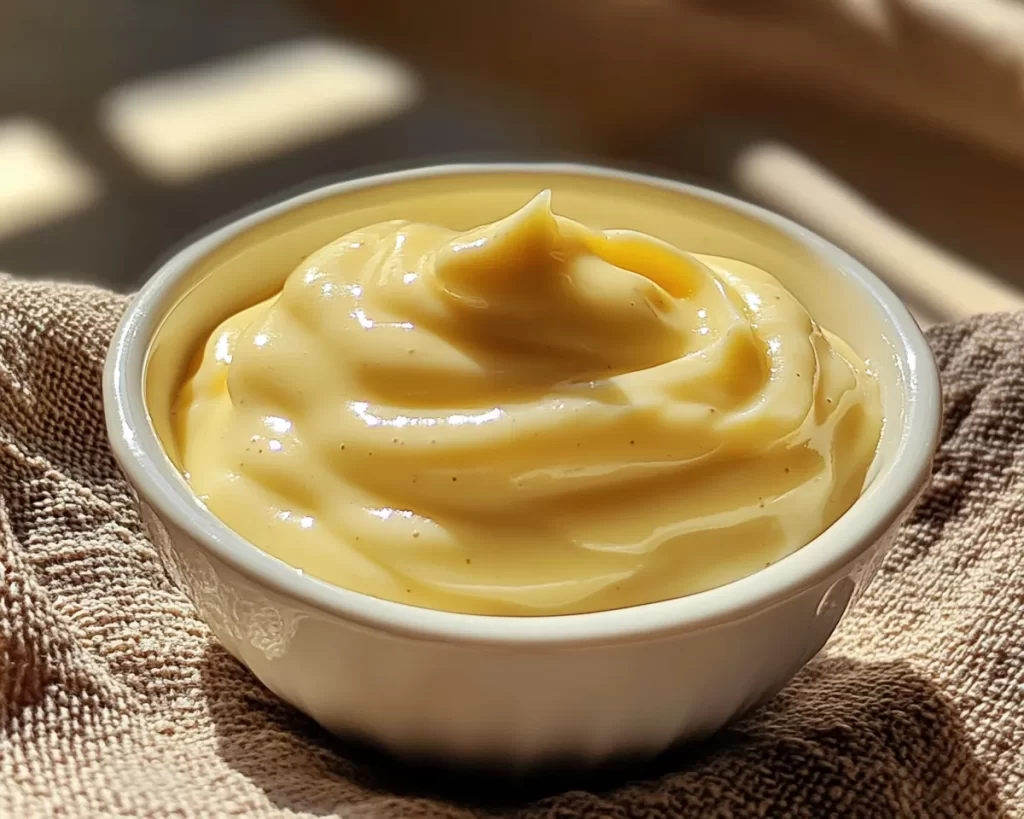
Homemade mayonnaise is an emulsion that combines oil, vinegar, and various flavorings into a creamy spread. Traditionally made with eggs, this *no-egg* version uses an egg substitute, lending it the same *luxurious* texture you expect without the cholesterol. This mayonnaise can be traced back centuries and is a staple in many culinary traditions, particularly in French cuisine.
The flavor of homemade mayonnaise is *distinctly* rich and can be tailored to your liking. The smoothness of the emulsion provides a *satisfying mouthfeel* that is simply unmatched by commercial brands. With its versatile nature, it can be adapted for countless culinary needs, serving not only as a condiment but also as an ingredient in dressings, dips, or sauces. An invitation to experiment is open, allowing you to discover flavor variations that suit your taste buds perfectly.
Why You’ll Love This
This homemade mayonnaise recipe brings with it a host of benefits that you can enjoy right in your kitchen. For one, nothing beats the taste of freshly made mayonnaise. The *subtle richness* and smoothness of this mayonnaise elevate a sandwich or potato salad to a whole new level. Additionally, the *ease* of preparation makes it accessible—even for beginner cooks!
Financially, making mayonnaise at home can save you money, especially when you consider that a jar of high-quality mayonnaise can often be quite expensive. Furthermore, by making it yourself, you have complete control over every ingredient, making it easier to avoid additives and preservatives commonly found in store-bought versions. You can also customize the flavors to suit your dietary preferences, whether you’re vegan, vegetarian, or simply looking to avoid eggs for any reason.
Despite its simplicity, misconceptions about making mayonnaise abound. Some may think that achieving the right consistency takes a lot of skill or time. However, with the right ingredients and tools, you’ll find it remarkably straightforward and rewarding to create your own version.
Ingredients You’ll Need
To make this delicious homemade mayonnaise, gather the following ingredients:
- 1 cup neutral oil: Canola, sunflower, or avocado oil works best. These oils have a mild flavor that won’t compete with the other ingredients.
- 2 tablespoons vinegar: White wine or apple cider vinegar adds acidity, balancing the richness of the oil.
- 1 tablespoon Dijon mustard: This not only contributes to the *flavor*, but also aids in emulsification, helping to stabilize the mayonnaise.
- 1 teaspoon salt: This enhances the overall flavor profile, so don’t skip it!
- 6-8 tablespoons aquafaba: The liquid from a can of chickpeas substitutes for the eggs, providing a similar texture without the cholesterol.
- Optional ingredients: You can also add garlic powder, lemon juice, or various herbs for flavor variations.
Understanding the role of each *ingredient* is crucial to creating a successful mayonnaise. Experimenting with substitutes is entirely possible. For example, if you’re looking to keep the recipe vegan, aquafaba is a perfect choice. If you don’t have Dijon mustard, yellow mustard will work too, albeit with a different flavor.
How to Make
Making homemade mayonnaise is a simple process when you follow these easy steps:
- Gather your ingredients: Start by measuring out your oil, vinegar, Dijon mustard, salt, and aquafaba. It is vital to ensure everything is at room temperature to facilitate the emulsification process.
- Blend the aquafaba: In a high-speed blender or food processor, add the aquafaba. Blend on high for about 30 seconds until it becomes frothy. This step helps get the aeration needed for proper emulsification.
- Add the mustard and salt: Next, add in the Dijon mustard and salt. Blend at a low speed for another 15-20 seconds until completely mixed. This mixture acts as a stabilizer, ensuring that the oil incorporates smoothly.
- Slowly drizzle in the oil: With the blender running on low, slowly drizzle the neutral oil into the mixture. It’s important to do this gradually to allow for the oil to emulsify properly with the aquafaba mixture. If you pour it too quickly, you risk breaking the emulsion.
- Incorporate vinegar: After about two-thirds of the oil has been added, you can incorporate the vinegar. This will provide the necessary acidity and enhance the flavor. Continue to blend until you have a thick, creamy texture. The entire process should take approximately 2-3 minutes.
- Taste and adjust: Once the mayonnaise has reached your desired consistency, taste it. Feel free to adjust seasoning with more salt, lemon juice, or even additional spices or herbs. Blend again briefly to incorporate any additions.
And voilà! You now have a rich, creamy homemade mayonnaise ready for *all sorts of culinary uses*. Feel free to store the mayonnaise in an airtight container in the refrigerator for up to two weeks.
Variations & Substitutions
Garlic Aioli Variation: If you love garlic, consider transforming your mayonnaise into a creamy garlic aioli. Simply add 2-3 minced cloves of fresh garlic or 1 teaspoon of garlic powder to the original recipe before blending. This will provide a *robust flavor* that’s perfect for dipping fries or spreading on sandwiches.
Spicy Chipotle Variation: For a smoky kick, include 1-2 tablespoons of chipotle in adobo sauce to your mayonnaise. This adds both heat and depth, making it exceptional for drizzling over tacos, burgers, or grilled vegetables.
Herbed Mayonnaise Variation: Mixing in finely chopped fresh herbs, such as parsley, dill, or basil, can create a light and vibrant herbed mayonnaise. This variation is perfect for spreading on sandwiches or using as a salad dressing that is both fresh and aromatic.
Lemon Zest Mayo: Incorporating lemon zest and a bit of lemon juice will give your mayonnaise a refreshing brightness. This variation works exceptionally well with seafood dishes and as a dressing for pasta salads.
Each variation brings something unique to the table. The beauty of homemade mayonnaise lies in its versatility; you have the ultimate freedom to create the perfect flavor combination just for you!
Common Mistakes to Avoid
Even in a straightforward process, there are *common pitfalls* to be mindful of when making homemade mayonnaise. One of the most significant issues is the emulsion breaking. This can happen if the oil is added too quickly. To avoid this, ensure that you are drizzling the oil in a thin stream while the blender is running.
Another prevalent issue is *temperature.* If your ingredients are too cold, the mayonnaise may not emulsify properly. Always make sure that your flavoring components, such as aquafaba and vinegar, are at room temperature before you begin blending.
Also, if your mayonnaise appears too runny, it’s likely that you haven’t added enough oil or that it didn’t emulsify well. If you find yourself facing this issue, you can try blending in a bit more aquafaba slowly until you achieve the desired emulsion.
Storage, Freezing & Reheating Tips
Proper storage is crucial for homemade mayonnaise. Transfer your mayonnaise to an airtight container and store it in the refrigerator. It will stay fresh for about two weeks. If you notice any changes in color or smell, it’s best to discard it.
Freezing mayonnaise is not recommended since the emulsion may break, resulting in a watery or separated product when thawed. However, if you’re really in need of long-term storage, consider freezing the aquafaba separately for future use and making a fresh batch of mayonnaise as needed.
For reheating (though mayonnaise is generally served cold or at room temperature), do so gently by allowing it to come to room temperature naturally rather than using any sort of heat.
Frequently Asked Questions
Can I use different oils for my mayonnaise?
Yes, while neutral oils such as canola or sunflower are recommended for their mild flavors, you can experiment with different oils like olive or avocado oil. Be mindful that the flavor of the oil will affect the overall taste of your mayonnaise.
Is it safe to consume raw aquafaba?
Yes, aquafaba is generally safe to consume as it comes from cooked chickpeas. However, if you have any concerns about food safety, opt for pasteurized aquafaba, which is available in stores.
How can I thicken my mayonnaise if it is too runny?
If your mayonnaise turns out too thin, try adding a little more aquafaba or another tablespoon of Dijon mustard while continuing to blend until it thickens up. If you’d prefer a thicker texture, you can also start with less oil in your initial mix.
Can homemade mayonnaise be used in recipes that require cooked mayo?
You can often use homemade mayonnaise in cooking, but note that any recipe requiring really high heat may affect the quality of the emulsion. It’s usually best to use it in cold dishes or sauces.
What can I do with leftover mayonnaise?
There are endless uses for leftover mayonnaise! You can spread it on sandwiches, use it in dips, mix it into potato or pasta salads, or even use it to add creaminess to dressings and marinades.
Conclusion:
Homemade mayonnaise is not just a condiment; it can transform your meals into *culinary delights* full of flavor and freshness. Mastering this recipe empowers you to customize it according to your own taste and dietary needs, truly a game-changer in the kitchen. Don’t hesitate to experiment with your favorite flavors or use the variations mentioned above to keep things interesting. I encourage you to try making this creamy, delightful mayonnaise in your own kitchen, share it with friends, or use it in your everyday cooking. Enjoy your culinary journey!
[Read also: Easy Dessert Recipes for Beginners]