Prep time: 10 minutes
Cook time: 0 minutes
Total time: 10 minutes
Servings: 8
Imagine a creamy, luscious spread that elevates every dish it graces—this is the magic of homemade mayonnaise, a true masterpiece of cooking. With a rich, velvety texture and a flavor that dances on your palate, this classic French-style mayonnaise is not just a condiment; it’s a culinary experience. Whether you’re using it to elevate a simple sandwich or as a base for a decadent sauce, making mayonnaise from scratch adds a personal touch to your meals.
In this article, you will discover the simplicity and joy of crafting your very own mayonnaise. You will learn about the key ingredients, step-by-step instructions, variations to suit your taste, and common pitfalls to avoid. Homemade mayonnaise is not just easier than you think; it’s also far superior to anything you can buy in a store.
What Is Homemade Mayonnaise (Classic French Style)?
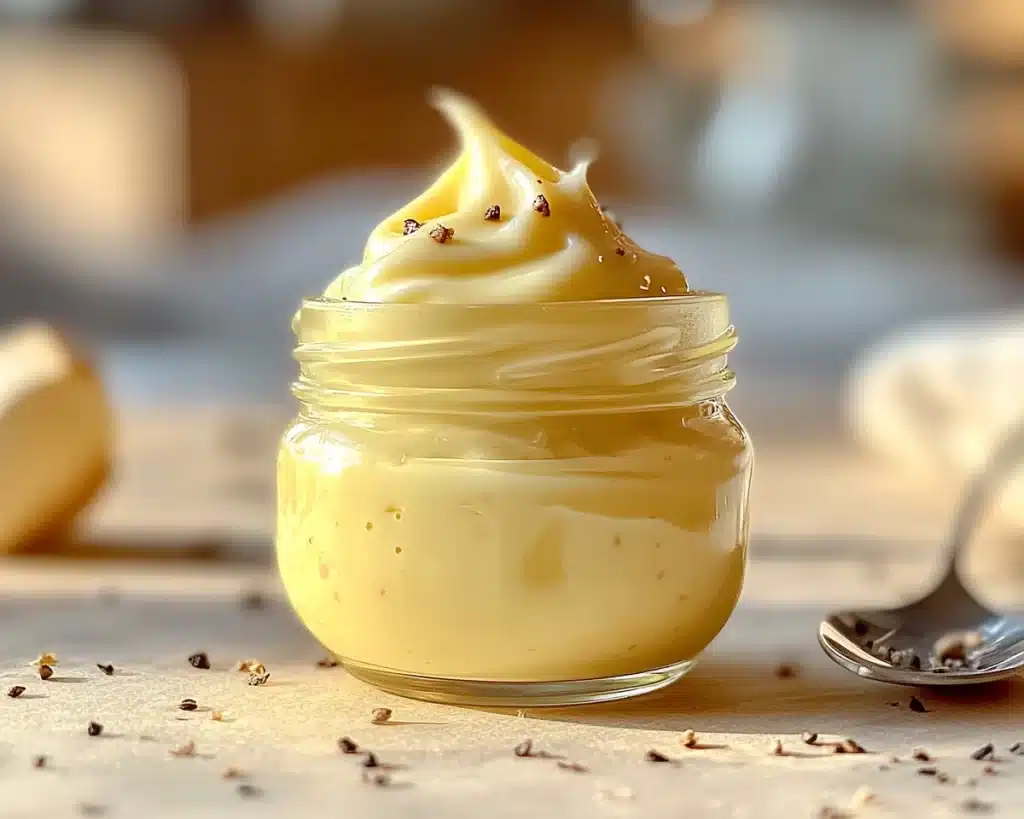
Homemade mayonnaise is a rich and creamy emulsion that combines egg yolks, oil, and a splash of acid, usually vinegar or lemon juice. Originating from France, this classic condiment is a staple in kitchens around the world. The magic of mayonnaise lies in its smooth, silky texture and the balance of flavors that it brings to various dishes.
The traditional French-style mayonnaise is made using a whisk, which allows for careful control over the emulsion’s thickness. The flavor profile is subtly tangy with a richness that enhances everything it touches, from freshly made sandwiches to a simple grilled chicken. This version is entirely customizable, which means you can experiment with flavors and use it as a versatile base for sauces like aioli or tartar sauce.
You’ll find that the thrill of making your own mayonnaise comes not just from the flavor but also from the experience of creating something from scratch. Once you master it, you’ll be able to impress family and friends with your culinary prowess, turning even the simplest meals into extraordinary experiences.
Why You’ll Love This
There are several compelling reasons to embrace the art of making your own mayonnaise. First and foremost, the taste is incomparable to store-bought versions. Homemade mayonnaise offers a fresher, more vibrant flavor that enhances your dishes. The rich texture and natural ingredients mean that you will know exactly what goes into your mayo—no preservatives or unwanted additives.
Another reason to love this recipe is its ease of preparation. With just a few ingredients and basic kitchen tools, you can whip up a batch in under ten minutes. It’s perfect for busy parents or beginners who want to impress without spending hours in the kitchen. Additionally, crafting your own mayonnaise is surprisingly cost-effective, especially if you often use it in your cooking.
Lastly, the versatility of homemade mayonnaise cannot be overstated. It acts as a great base for countless variations. Experimenting with different herbs, spices, and additional flavors allows you to customize it according to your culinary preferences. You’d be amazed at how adding a bit of garlic can transform standard mayonnaise into a mouth-watering aioli!
Ingredients You’ll Need
Creating perfect homemade mayonnaise requires only a handful of ingredients, each playing a crucial role in the final product. Here’s what you will need:
- 2 large egg yolks: These are the foundation of the emulsion and provide the creamy texture.
- 1 tablespoon Dijon mustard: This adds depth of flavor and helps stabilize the emulsion.
- 1 tablespoon white wine vinegar or lemon juice: The acid brightens the overall flavor and balances out the richness of the egg yolks.
- 1 cup of neutral oil (such as canola, grapeseed, or vegetable oil): The oil is the main body of the mayonnaise, giving it a silky consistency.
- Salt to taste: Enhances the overall flavor of your mayonnaise.
- Freshly cracked black pepper: Optional, but adds a nice hint of heat and interest.
Feel free to experiment with different oils and acidity levels to discover how they can change the flavor profile. For instance, using olive oil as a substitute creates a more robust mayonnaise, while avocado oil provides a unique, rich flavor.
How to Make
Follow these detailed steps to create your very own homemade mayonnaise:
- Gather your ingredients: Start by ensuring all your ingredients are at room temperature. This will allow them to emulsify more easily. Place the egg yolks, Dijon mustard, and vinegar or lemon juice in a mixing bowl.
- Whisk the initial mixture: Using a whisk, blend the egg yolks, mustard, and acid together thoroughly until the mixture is smooth and pale in color. This step is critical as it lays the foundation for your emulsion.
- Start adding the oil: Gradually drizzle in the neutral oil while whisking continuously. It’s essential to start very slowly at first—just a few drops—until you start to see the mixture thicken. This could take a minute or two, but it’s crucial for creating a stable emulsion.
- Continue whisking: Once the mixture begins to thicken, you can start to add the oil more steadily while continuing to whisk vigorously. The mayonnaise should come together smoothly, becoming thick and creamy. If it feels too thick or hard to whisk, you can add a teaspoon of warm water to loosen it up.
- Season to taste: Once you have reached your desired consistency, season the mayonnaise with salt and pepper. This is your opportunity to customize the flavor, so taste as you go.
- Store and serve: Transfer your mayonnaise to a clean storage container. It can be kept in the refrigerator for about one week. Use your freshly made mayonnaise to elevate sandwiches, dress salads, or as a flavorful dip for vegetables.
Enjoy the satisfaction of crafting your own homemade mayonnaise, knowing it not only tastes phenomenal but also is free from artificial ingredients!
Variations & Substitutions
Garlic Aioli: To create a garlicky twist on classic mayonnaise, simply add 1-2 cloves of minced fresh garlic to the original mayonnaise mixture while you are whisking together the egg yolks and mustard. This variation elevates your mayo with a robust, aromatic flavor that pairs beautifully with meats and vegetables, making it a favorite dipping sauce for fries or roasted veggies.
Spicy Sriracha Mayo: If you crave a little heat, mix in a tablespoon or two of Sriracha or your favorite hot sauce to the finished mayonnaise. This fiery variation adds a delightful kick, making it perfect for burgers or as a zesty dip for shrimp. Adjust the quantity based on your spice preference, and don’t forget to taste as you go!
Herbed Mayonnaise: For a fresh and vibrant take, incorporate chopped fresh herbs like basil, dill, or chives into the mayonnaise after it has been made. This variation adds a burst of color and flavor, making it ideal for gourmet sandwiches or as a topping for grilled fish. Experiment with different herb combinations to find your perfect profile.
Vegan Mayonnaise: To create a vegan version of this classic condiment, substitute the egg yolks with silken tofu or aquafaba (the liquid from canned chickpeas). Follow the same method as outlined in the main recipe, blending the tofu or aquafaba with mustard and vinegar before gradually adding the oil. This version is just as creamy and delicious, perfect for those following a plant-based diet.
Lemon Dill Mayonnaise: Combine zesty flavor and fresh herbs by adding lemon zest and chopped dill to your traditional mayonnaise. This variation is particularly refreshing during summer, perfect for pairing with grilled chicken or a seafood salad. The lemon adds brightness, while the dill gives a aromatic punch, ideal for a variety of dishes.
Common Mistakes to Avoid
When making homemade mayonnaise, there are a few common pitfalls to watch out for. One of the most prevalent issues is the emulsion breaking—this typically occurs if you add the oil too quickly or if the ingredients are too cold. If your mayonnaise isn’t coming together and appears separated, step one is to remain calm and don’t throw it out!
You can easily rectify a broken emulsion. Simply place a new egg yolk in a clean bowl and slowly whisk in the failed mayonnaise mixture, gradually incorporating it until you achieve a smooth consistency.
Another common mistake is using the wrong type of oil. Make sure to utilize a neutral oil, as strong flavors could overwhelm the mayonnaise. Always taste during the process—too much acidity or salt can ruin the balance, so adjust slowly and carefully to create that perfect flavor.
Lastly, always chose a clean, dry bowl and whisk. If there is any water or residue, it can impact the emulsification process. Ensuring that everything is dry and at room temperature will help create the best possible mayonnaise.
Storage, Freezing & Reheating Tips
The proper storage of homemade mayonnaise is crucial for maintaining its flavor and safety. Store your mayonnaise in an airtight container in the refrigerator. It will stay fresh for about one week. Always label the container with the date it was made so you can keep track of its freshness.
If you find yourself with excess mayonnaise that you won’t use within a week, think about repurposing it in recipes that can use up the condiment quickly; think dressings or dips. Freezing mayonnaise, while possible, typically changes its texture and may separate upon thawing, making it less desirable for conventional use.
If you do decide to freeze it, place it in an airtight, freezer-safe container, leaving space for expansion. When ready to use, thaw it in the refrigerator overnight. Don’t refreeze the mayonnaise once it has thawed, as that can compromise its quality and safety.
In all cases, practice proper food safety. Never leave mayonnaise out at room temperature for extended periods, and always check for signs of spoilage before use.
Frequently Asked Questions
Can I use whole eggs instead of just yolks to make mayonnaise?
Yes, you can use whole eggs to make mayonnaise, but the texture may be slightly different. Whole eggs will result in a lighter and fluffier mayo compared to using just the yolks, which create a denser and richer product. If you go this route, ensure that you properly emulsify the mixture to avoid separation.
What is the best oil to use for homemade mayonnaise?
Neutral oils like canola or grapeseed are highly recommended for homemade mayonnaise due to their mild flavor. Olive oil can be used, but it imparts a stronger taste that may alter the traditional flavor of mayonnaise. Experiment with various oils to find your preferred balance; if you love the flavor of avocado oil, it can work great too!
Why does my mayonnaise taste too sharp or tangy?
This can happen if you have added too much lemon juice or vinegar. If this is the case, adding more oil can help balance the flavors. Alternatively, you can mix in a teaspoon of sugar to mellow out the acidity.
Can I make mayonnaise without mustard?
Yes, while mustard is generally used for flavor and as an emulsifier, you can omit it if desired. Keep in mind that it may affect the final taste and texture slightly, but the mayonnaise should still hold together. If you want to replace the mustard, consider using a little aquafaba or another emulsifier.
Is homemade mayonnaise safe to eat?
Homemade mayonnaise, made with fresh egg yolks, can pose a risk if the eggs are not pasteurized. To reduce the risk, look for pasteurized eggs at the grocery store or consider using egg alternatives, such as aquafaba or silken tofu, which can offer a safer option for making mayonnaise without compromising on flavor or texture.
Conclusion:
Making your own homemade mayonnaise is a rewarding and simple process that elevates your culinary creations. The creamy texture and vibrant flavor will be a delightful addition to your meals, proving that homemade always holds a special charm. Don’t hesitate to experiment with flavors and variations to customize this classic recipe to your liking. Share your mayonnaise journey with friends and family, and encourage them to try it too. You’ve got this—go make your own delicious mayonnaise today!