Prep time: 5 minutes
Cook time: 1 minute
Total time: 6 minutes
Servings: 1 cup
There’s something incredibly satisfying about making your own food from scratch. Think about the last time you had an exquisite meal and just how much of a game changer the right sauces can be; they can elevate an ordinary dish into something extraordinary. One ubiquitous yet often overlooked kitchen staple is mayonnaise. This beloved condiment complements everything from sandwiches to salads, providing creaminess and balance. But did you know that you can whip up a batch of homemade mayonnaise in just 60 seconds? This quick, simple, and customizable recipe for **Homemade Mayonnaise (Blender Mayo in 60 Seconds)** will not only tickle your taste buds but also save you money and reduce your dependence on store-bought options.
This recipe is special because **homemade mayonnaise** is fresher, tastefully vibrant, and free from preservatives, artificial additives, or fillers commonly found in commercial brands. You will learn how to whip it up effortlessly with a blender while exploring variations and some key tips that ensure you achieve perfect texture every single time. Whether you are a busy parent looking for a quick solution or a cooking novice eager to impress, this guide has you covered.
What Is Homemade Mayonnaise (Blender Mayo in 60 Seconds)?
**Homemade mayonnaise** is a versatile sauce that blends together rich oils, lemon juice or vinegar, and an egg. The process creates an emulsion, where oil is dispersed in the egg yolk, giving the mayonnaise its creamy, luscious texture. Originating as a French culinary staple, it has found its way into many cuisines worldwide, demonstrating its universal appeal.
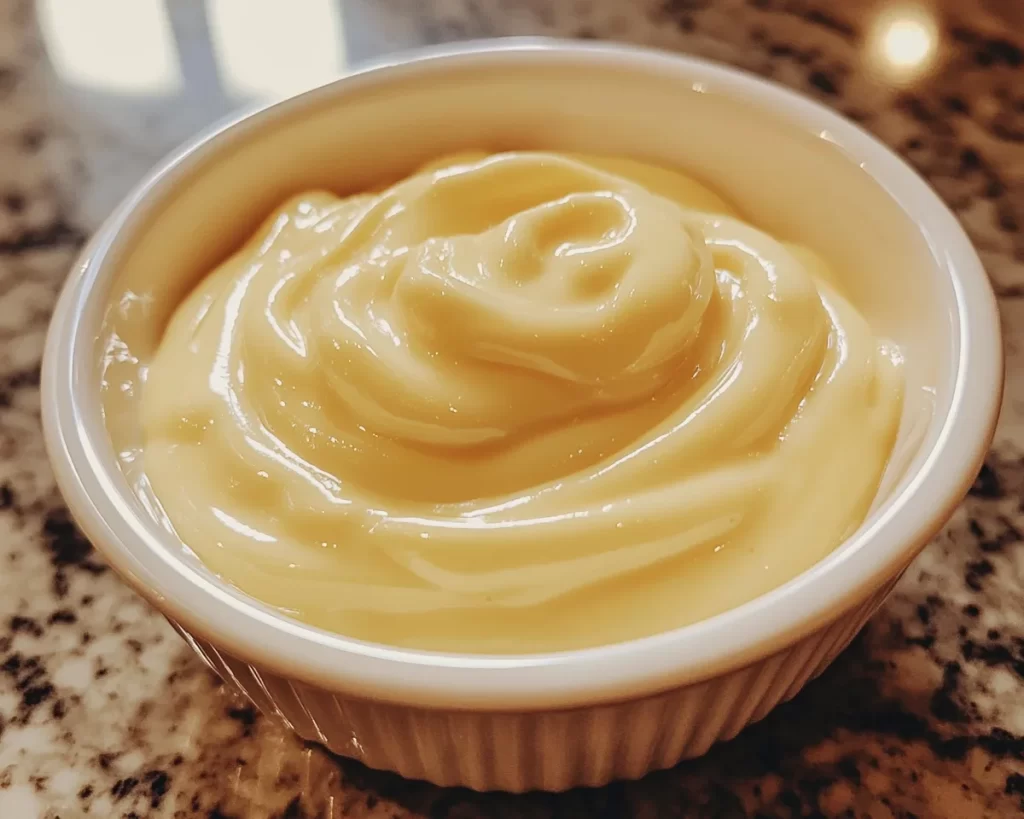
This mayonnaise possesses a rich, velvety mouthfeel with a delightful tang that perfectly complements savory dishes. Imagine taking a spoonful of creamy **mayonnaise** and tasting the sharpness of lemon blending with the smoothness of oil; it’s a heavenly experience that far surpasses anything from a jar. When made at home, this spread is not only customizable but also incredibly fresh, making each dollop significantly better than retail options.
With this recipe, you’ll quickly learn that **homemade mayonnaise** can be made in just a minute, with minimal ingredients and effort, allowing you to use it in various dishes such as sandwiches, dips, and even dressings. Making your own mayonnaise not only offers endless customization possibilities but also reduces food waste, as you can make only what you need and keep it fresh.
Why You’ll Love This
There are numerous reasons you’ll cherish making your own mayonnaise. First and foremost is the taste; nothing beats the freshness and flavor of **homemade mayonnaise**. The richness, combined with the sharpness of the added ingredients, makes it a standout compared to factory-made products, which often lack the authentic flavor and texture.
Another advantage is the ease of preparation. If you’re a busy parent or simply someone who prefers shortcuts, this **60-second mayo** takes the hassle out of preparations. No need to whisk tirelessly by hand; just throw everything into a blender, blend, and voila! You have delectable mayonnaise!
Cost-effectiveness also plays a role; making your own mayonnaise saves you money in the long run. A jar of premium mayonnaise can add up quickly, but with simple ingredients that you may already have at home, you’ll realize it’s much cheaper to whip up a batch yourself. Furthermore, controlling the ingredient quality means you can make healthier choices by opting for organic oils or even using egg substitutes like aquafaba if you are considering vegetarian options.
Many people have misconceptions about making mayonnaise at home, with some thinking it’s too time-consuming or difficult. But this recipe debunks that idea completely. Making mayonnaise can be straightforward and uncomplicated, suitable even for beginners! With a few tips and insights shared throughout the article, you’ll soon find you can make mayonnaise effortlessly with confidence.
Ingredients You’ll Need
To create your **Homemade Mayonnaise**, you will need the following ingredients:
- 1 egg: Essential for emulsifying the oil; you can use large eggs for best results.
- 1 cup oil: A neutral oil like canola or vegetable oil works perfectly. You can also try olive oil for a stronger taste, but it might be slightly bitter.
- 1 tablespoon lemon juice or vinegar: This adds tang and helps stabilize the emulsion. You can use white vinegar, apple cider vinegar, or fresh lemon juice.
- 1 teaspoon Dijon mustard (optional): Adds a depth of flavor, bringing a bit of spice and creaminess if you wish.
- Salt to taste: Enhances flavor; feel free to experiment with other spices or herbs for a twist.
These ingredients are simple yet fundamental for a successful mayonnaise. Each one plays a role in the final product—while the egg acts as an emulsifier, the oil provides richness, and the acid (lemon juice or vinegar) enlivens the flavor. Not to mention, using your preferred oil can introduce varying flavor profiles that cater to your taste.
For substitutes, you can use **vegan mayonnaise** made with aquafaba or silken tofu if you’re looking to avoid eggs. This will still yield a creamy texture but with a different flavor. Also, if you’re looking for a lower-fat version, consider using light oils or yogurt for a tangier version.
How to Make
Making **Homemade Mayonnaise** is as easy as 1-2-3. Follow these steps carefully to ensure perfect results every time:
- Gather Ingredients: Start by gathering all your ingredients. Make sure the egg is at room temperature; this is crucial for a successful emulsion, so if it’s cold, place it in warm water for about five minutes before using.
- Combine in Blender: In a high-speed blender, add one egg, one cup of your chosen oil, one tablespoon of lemon juice or vinegar, and one teaspoon of Dijon mustard (if using). Place the lid securely on the blender; this ensures your ingredients won’t splatter everywhere.
- Blend Together: Turn on your blender at medium speed. You should initially see the oil and other ingredients separate; however, after about 30 seconds, the mixture will begin to emulsify and thicken. Scrape down the sides of the blender if needed to incorporate all the ingredients evenly.
- Watch for the Consistency: Continue blending until you see a smooth, creamy texture—this usually takes about one minute total. Feel free to stop and taste your mayonnaise; adjust the level of salt, acidity, or even add spices as desired.
- Store Appropriately: Once you have achieved the desired consistency, transfer your mayonnaise into a clean glass jar with a lid. Store it in the refrigerator. Homemade mayonnaise should be consumed within a week, and it can also be frozen if you want to keep it longer—but note that texture may change upon thawing.
And there you have it, freshly made **Homemade Mayonnaise** ready to elevate any meal! The creamy texture and rich flavor are sure to please your palette, while the speed and simplicity will make this a go-to recipe in your kitchen.
Variations & Substitutions
Herbed Mayonnaise: For a refreshing twist, add finely chopped fresh herbs such as basil, dill, or parsley into your mayo after blending. This variation adds an aromatic touch and pairs wonderfully with fish or as a spread for sandwiches. Herbs not only enhance the flavor but also introduce interesting textures.
Spicy Mayonnaise: If you’re a fan of heat, consider incorporating chili powder, sriracha, or even cayenne pepper to give your mayonnaise a zesty kick. This variation is perfect for those who enjoy an extra layer of flavor, and it serves as an excellent dipping sauce for fries or a wonderful condiment for burgers.
Vegan Mayonnaise: To make a vegan version, swap the egg for aquafaba (chickpea brine) or silken tofu. Use the same amount; however, you might need to adjust the oil quantity slightly based on your preference for thickness. Aquafaba mayo performs well in terms of texture and flavor while keeping it animal-free.
Garlic Aioli: Elevate your mayonnaise to gourmet status by adding minced garlic and a dash of lemon juice; this garlic aioli is perfect with roasted vegetables or as a dipping sauce for seafood. The garlic richness adds sophistication and a delightful aroma that will impress your guests.
Each of these variations opens up new avenues for flavors you can introduce into your kitchen. Take some time to experiment and find which ones resonate most with your tastes. All it takes is a bit of creativity to find your signature twist!
Common Mistakes to Avoid
Even though making mayonnaise is straightforward, mistakes can occur. A common issue is improper emulsification, often due to temperature. If your egg and oil are too cold, they may not emulsify correctly. To avoid this, always ensure that the egg is at room temperature.
Another mistake is adding oil too quickly. When incorporating oil, it should be added very slowly at first. This gradual process helps initiate emulsification, allowing the mixture to bind properly. If it’s added too quickly, the mayonnaise may separate or become too runny.
If your mayonnaise does break (separate), don’t panic! You can salvage it by starting with a fresh egg in a clean bowl and slowly whisking in the broken mayo mixture. This allows the new emulsion to bind with the previously broken mixture.
Lastly, some cooks forget to season. Always taste your mayonnaise towards the end of blending. Adjusting seasoning with salt and acid is critical; it elevates flavor and balances richness.
Storage, Freezing & Reheating Tips
When it comes to storage, homemade mayonnaise should be placed in an airtight container and kept in the refrigerator. You can store your mayo for up to one week. Be cautious about food safety; if it smells off or shows signs of spoilage, discard it.
If you have leftover mayonnaise, consider freezing it for long-term storage. Use an ice cube tray to portion out the mayonnaise, freeze, and later transfer the cubes into a sealable bag. This method allows you to simply pull out a cube for when you need it next, although note that the texture may change after thawing.
When you’re ready to use frozen mayonnaise, simply place a cube in the refrigerator to defrost or let it sit at room temperature for a short time before whisking it to regain consistency.
For food safety, keep in mind that because mayonnaise is made with raw egg, pregnant women, elderly individuals, or anyone with a compromised immune system should proceed with caution. Always source your raw eggs from reputable providers to minimize health risks.
Frequently Asked Questions
Can I make mayonnaise without eggs? Yes, you can make mayonnaise without eggs by using aquafaba, the liquid from canned chickpeas, or silken tofu. Both alternatives can provide a similar creamy texture and flavor while being suitable for vegans.
Why does my mayonnaise taste bland? If your mayonnaise lacks flavor, you may need to adjust the seasoning. Be sure to add enough salt and acidic ingredients like lemon juice or vinegar to elevate the taste. A pinch of pepper or spices can also add extra depth.
How do I fix broken mayonnaise? If your mayonnaise has split or become too runny, blend a fresh egg in a separate bowl and slowly incorporate the broken mayo mixture bit by bit until it emulsifies properly. This rescue technique can save your mayo batch.
Can I use flavored oils for mayonnaise? Yes, using flavored oils can be a great way to infuse unique tastes into your mayonnaise. However, they may also change the overall flavor dramatically, so it’s best to start with a neutral oil and add flavor as desired.
What are some uses for mayonnaise besides sandwiches? There are countless uses for mayonnaise! You can use it as a base for salad dressings, dips, or even in baking to add moisture and richness in recipes like cakes or cookies. Get creative and explore diverse culinary applications.
Conclusion:
In summary, **Homemade Mayonnaise (Blender Mayo in 60 Seconds)** stands out as a beautiful blend of simplicity meets versatility. You now have a straightforward recipe at your fingertips, and a treasure trove of variations to explore. By embracing homemade mayonnaise, you can customize it to your heart’s content while enjoying the satisfaction of creating something delightful from scratch. So why not give it a try? Experiment with flavors, share your results, and make your meals extraordinary! Happy cooking!