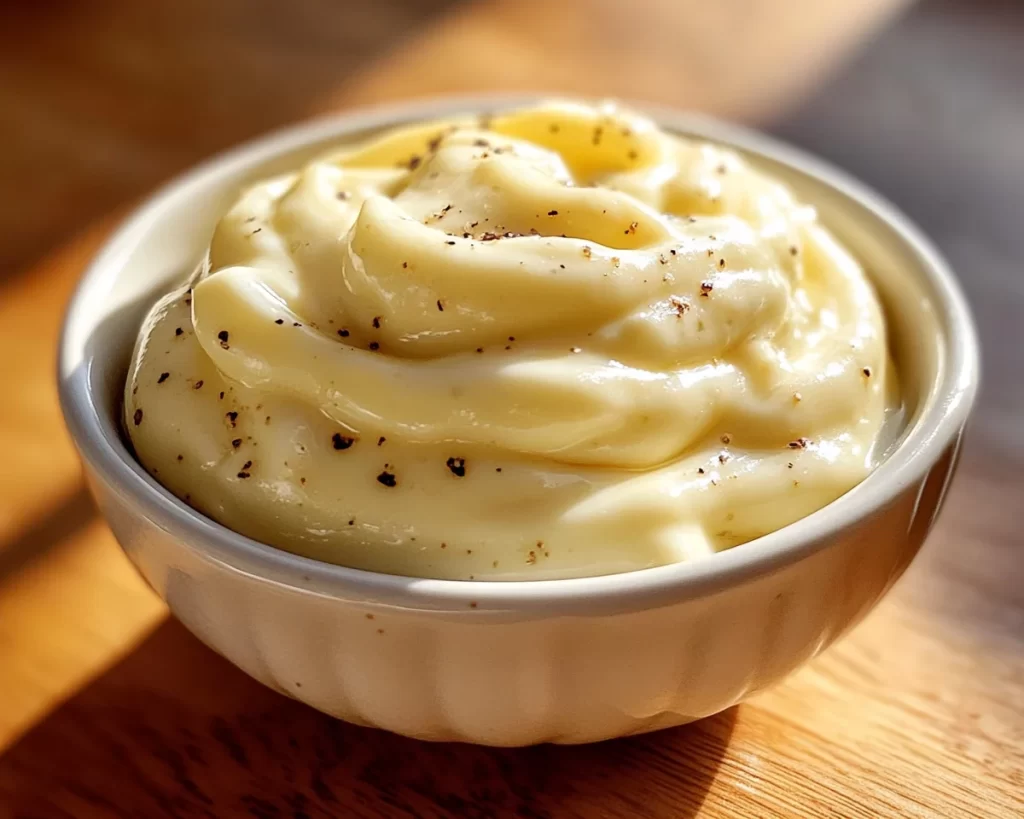
Prep time: 10 minutes
Cook time: 0 minutes
Total time: 10 minutes
Servings: 1 cup
The experience of enjoying a fresh batch of mayonnaise is unlike anything else. You may remember the tangy and creamy delight that elevates a sandwich or serves as the base for a delicious salad dressing. Homemade mayonnaise not only adds richness to your meals, but it’s also customizable to your taste. In this article, you will discover how to create mayo from scratch, the ingredients you’ll need, variations to try, and tips for ensuring your mayonnaise turns out perfectly every time.
What Is Homemade Mayonnaise?
Homemade mayonnaise is an emulsion of oil, egg yolk, and acid, usually in the form of vinegar or lemon juice. This rich, creamy condiment is believed to have originated in Spain during the 18th century, and it has become a staple throughout the world ever since. The smooth and velvety texture of homemade mayonnaise stands in stark contrast to the often overly processed store-bought varieties.
The flavor profile of homemade mayonnaise is vivid, fresh, and customizable. When you whip up a batch at home, you can control the amount of acidity, seasonings, and even oil types. This flexibility allows you to create a condiment tailored precisely to your palate, making it far more special than its commercial counterparts.
When you think of mayonnaise, you might picture classic sandwich spreads or dips for fresh vegetables, but the uses for homemade mayonnaise go beyond that. It’s also a fantastic base for sauces like aioli and tartar sauce and adds depth to countless dishes from salads to marinades.
Why You’ll Love This
You will love this homemade mayonnaise not only for its incredible taste but also for its ease of preparation and cost-effectiveness. Store-bought mayonnaise often contains preservatives and artificial ingredients that you may not want in your diet. By making mayonnaise at home, you know exactly what goes into it.
This recipe is versatile, allowing you to adapt it according to dietary considerations or personal preferences. For example, using olive oil creates a distinct flavor, while avocado oil lends a lighter taste. It’s also suitable for various diets, whether you’re keto, paleo, or just trying to eat healthier. The misconceptions surrounding homemade mayonnaise—such as the fear of it failing or being too complicated—are put to rest with this straightforward recipe.
You practically can’t mess up this simple process, making it perfect for beginners in the kitchen or busy parents looking to whip up something quick yet delicious. Plus, when you create your own mayonnaise, the satisfaction of preparing a homemade item can be quite rewarding.
Ingredients You’ll Need
To make homemade mayonnaise, you will need the following ingredients:
- 1 large egg yolk: The egg yolk acts as an emulsifier, helping to bind the oil and water components together. If you are concerned about raw eggs, you can use pasteurized eggs as a safe alternative.
- 1 tablespoon Dijon mustard: This adds flavor and enhances emulsification. You can substitute yellow mustard if that’s what you have on hand, but know that it will change the flavor.
- 1 tablespoon white vinegar or fresh lemon juice: The acidity gives the mayonnaise its characteristic tang and helps preserve it. Feel free to use other types of vinegar, like apple cider vinegar, based on your taste preferences.
- 1 cup oil (vegetable oil, olive oil, avocado oil): The type of oil you choose will influence the final flavor. Extra-virgin olive oil will have a stronger taste, while neutral oils will yield a milder mayonnaise.
- Salt to taste: Salt enhances all the flavors in the mayonnaise, rounding it out perfectly.
Getting quality ingredients is crucial, as they form the base of this custard-like condiment. The richness and taste vary greatly depending on your selections, so take your time to choose what’s best for you.
How to Make
Making homemade mayonnaise is a simple process. Let’s walk through each step:
- Gather your ingredients: Make sure all your ingredients are at room temperature. This is essential for proper emulsification. Take your egg out of the refrigerator about 30 minutes before you start.
- Combine the egg yolk and mustard: In a medium mixing bowl or a food processor, whisk together the egg yolk and Dijon mustard until well blended. It is essential to create a good foundation for your emulsion, so mix thoroughly.
- Add the vinegar or lemon juice: Mix in the vinegar or lemon juice with the egg mixture, combining it to ensure that everything is homogeneous. This addition not only adds flavor but also aids in the emulsion process.
- Incorporate the oil slowly: This is the crucial step. Start adding the oil very slowly while whisking constantly. If using a food processor, keep it running as you drizzle in the oil. If not, you can use a whisk – it takes more elbow grease but is satisfying! As the oil starts to thicken and emulsify into the mixture, you can gradually increase the oil flow.
- Check for thickness: Continue blending until the mayonnaise reaches a thick consistency. If it becomes too thick, you can thin it out with a bit of water, lemon juice, or vinegar until it reaches your desired texture.
- Season to taste: Finally, add salt according to your taste preferences. You can also add pepper or other spices to create flavored variations, such as garlic or herbs.
Congratulations! You have made your very own homemade mayonnaise. The rich, luxurious texture and fresh flavor will undoubtedly wow anyone who tries it.
Variations & Substitutions
Garlic Aioli: To turn your homemade mayonnaise into a garlic aioli, add minced garlic to the original recipe. Start with one clove, adjusting according to your garlic preference. This flavorful variation is perfect for enhancing sandwiches, seafood dishes, and roasted vegetables.
Spicy Sriracha Mayonnaise: Add a tablespoon or two of Sriracha sauce for a spicy kick. This not only enhances the flavor but also adds a beautiful color to your mayonnaise. Perfect for slathering on burgers or using in spicy dipping sauces.
Herb Mayonnaise: Incorporate finely chopped fresh herbs such as dill, parsley, or basil for a refreshing twist. This version is fantastic for using in salads or as a dip for fresh vegetables. You can also blend in a handful of arugula or spinach to incorporate extra flavor and nutrients.
Avocado Mayonnaise: For a healthier take, replace half the oil with ripe avocado. The result is a creamy and nutritious mayo that can be used in sandwiches, salads, or as a dip. The subtle avocado taste complements numerous dishes, making it a fantastic addition to your culinary repertoire.
Lemon Dill Mayonnaise: This is particularly scrumptious with seafood. Just add lemon zest and fresh dill to the original mayonnaise recipe. This fresh combination provides a bright and zesty flavor, making it ideal for crab cakes, fish tacos, or drizzling over grilled shrimp.
Common Mistakes to Avoid
Homemade mayonnaise is relatively easy, but there are pitfalls you’ll want to avoid. A common mistake is using cold ingredients; make sure all components—especially the egg—are at room temperature. This is essential for achieving the proper emulsification.
If your mayonnaise does not thicken, it may be due to adding the oil too quickly; take your time with this step. If you find the emulsion has broken (separated), you can often fix it. Start with a new egg yolk in a clean bowl, and slowly whisk in the broken mayo to regain emulsification.
Be wary of safety concerns if you are using raw eggs. If you’re uncertain, opt for pasteurized eggs to minimize foodborne illness risks.
Finally, be careful with the type of oil you choose. If at all possible, avoid oils with strong flavors like peanut oil unless that’s what you’re aiming for; they may overpower your mayonnaise.
Storage, Freezing & Reheating Tips
Homemade mayonnaise can be stored in an airtight container in the refrigerator for about one week. Be sure to label your container with the date so you can keep track of freshness.
Freezing mayonnaise is not recommended, as it can separate and lose its creamy texture once thawed. However, you can prevent leftovers from going to waste by using them in various dishes like potato salad, pasta salads, or incorporating them into dips.
When using mayonnaise, always follow basic food safety practices. If you notice any change in color, aroma, or texture, discard the mayo immediately. Always use the freshest ingredients possible to prolong its shelf life.
Frequently Asked Questions
Can I use store-bought mayonnaise as a base for my sauce?
Yes, you can use store-bought mayonnaise as a base for various sauces, like ranch or aioli. This can save time, and you can customize it with seasonings or additional flavors to create unique dips and spreads.
What should I do if my mayonnaise separates?
If your mayonnaise separates, don’t despair! Start fresh with a new egg yolk in a clean bowl and slowly whisk the separated mayo back into the new yolk. This usually re-emulsifies the mixture, allowing you to salvage your creation.
Is there a vegan alternative to traditional mayonnaise?
Absolutely! You can make vegan mayonnaise using aquafaba (the liquid from canned chickpeas) in place of eggs. Combine aquafaba with oil, vinegar, and any flavorings to create a creamy, dairy-free spread.
Can I sweeten homemade mayonnaise?
Yes, you can sweeten homemade mayonnaise. A teaspoon of honey or agave nectar can enhance the flavor if you’re creating a more unique dressing or sauce, like a honey mustard dressing.
How do I make my mayonnaise thicker?
If you want thicker mayonnaise, add more oil while increasing the emulsification step. Drizzle in the oil even more slowly, and if necessary, incorporate another egg yolk to the mixture to help stabilize and thicken it.
Conclusion:
Making homemade mayonnaise is not just a cooking task; it’s a fantastic avenue for expressing creativity in your kitchen. With its creamy texture and fresh ingredient profile, you’ll be left wondering why you ever relied on store-bought varieties. Enjoy customizing your mayo for flavor and enjoy it in various applications from sandwiches to salads. Don’t hesitate to experiment with new ingredients and variations! We can’t wait for you to try this simple recipe and make it your own. Dive into the world of homemade mayonnaise today—it’s a rewarding experience that will definitely elevate your meals.