Prep time: 10 minutes
Cook time: 20 minutes
Total time: 30 minutes
Servings: 4 servings
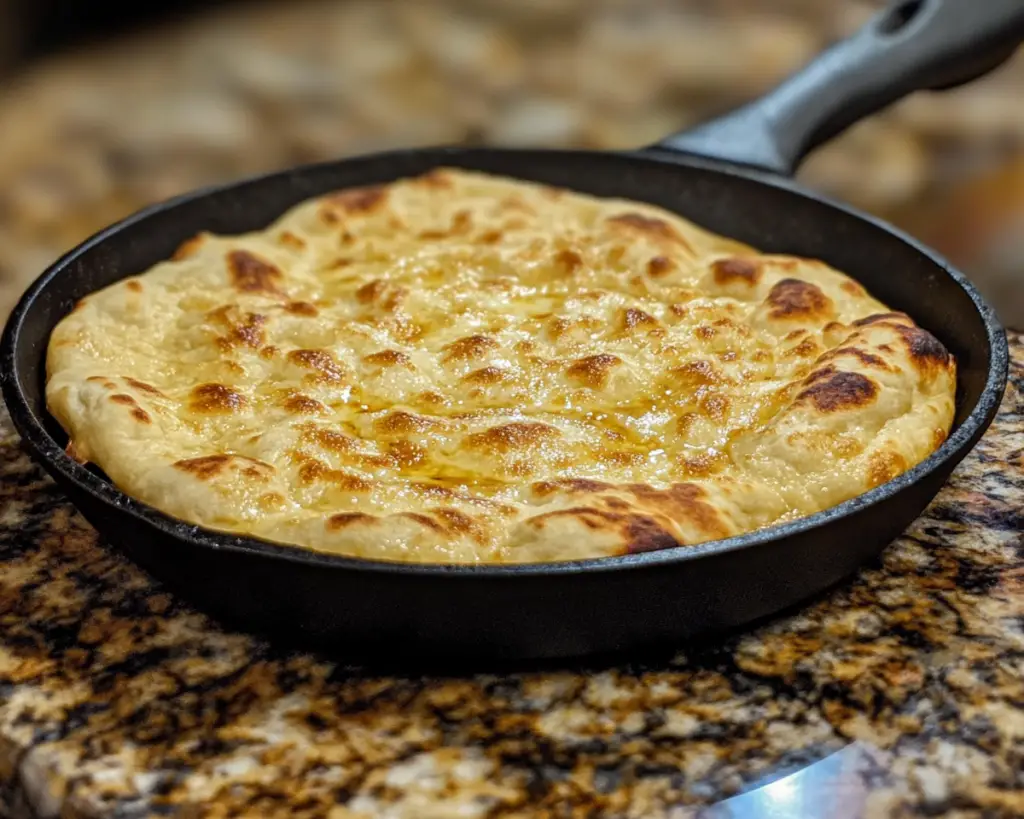
Creating a delicious flatbread can often feel overwhelming, especially when you’re faced with the thought of waiting for yeast to rise. But what if I told you that you could whip up a warm, flavorful flatbread in no time, and without any yeast? Meet the **Golden Skillet Flatbread No Yeast Needed**! This delightful recipe is not just quick and easy; it’s also packed with flavor and texture that will elevate any meal.
In this article, you’ll discover the art of making this simple flatbread, learn about its unique characteristics, and explore various tips and variations that cater to dietary preferences. Whether you’re a busy parent looking for a quick side dish, a beginner eager to hone your culinary skills, or simply someone who enjoys delicious homemade bread, this Golden Skillet Flatbread is bound to become a staple in your kitchen.
What Is Golden Skillet Flatbread No Yeast Needed?
Golden Skillet Flatbread is a delightful, soft, and slightly chewy bread that hails from various cultures around the world, often served with meals to soak up flavorful sauces or to simply enjoy on its own. This recipe takes a traditional approach and simplifies the process by omitting the yeast, making it accessible for home cooks of all skill levels.
Typically made with a few staple ingredients such as flour, baking powder, and water, this flatbread forms a golden crust when cooked in a skillet, delivering a satisfying texture that’s perfect for pairing with dips, spreads, or as an accompaniment to any dish. The beauty of this flatbread lies in its versatility; whether you choose to spice it up with herbs or keep it simple, it adapts beautifully to your palate and preferences.
One of the key benefits of this yeast-free flatbread is that you can have fresh, warm bread in hand without the long wait for dough to rise. It’s a fantastic option for those last-minute meal preparations or for anyone who might be short on ingredients but still wants to indulge in homemade goodness.
Why You’ll Love This
The appeal of Golden Skillet Flatbread lies not only in its delightful taste but also in its simplicity. First and foremost, it is a highly economical recipe; the ingredients are readily available in most kitchens, allowing you to whip up this flatbread without an additional grocery run. This makes it a great choice for **budget cooking** or when you need to use up leftover ingredients.
Moreover, this flatbread is remarkably versatile. You can serve it as a side with curries, soups, or salads, or use it as a base for toppings akin to pizza. It adapts beautifully to any dietary need; by swapping out regular flour for whole wheat or gluten-free alternatives, you can cater to different diets without compromising on taste or texture.
A common misconception is that homemade bread requires specialist skills or experience. But this recipe demystifies that notion. With clear instructions and basic ingredients, even novice cooks can achieve success. This flatbread is perfect for **beginners in the kitchen** looking to explore the world of bread-making without the mental block that yeast often presents.
Ingredients You’ll Need
- All-purpose flour: The main ingredient providing structure. You can substitute with whole wheat flour or gluten-free flour for different textures.
- Baking powder: This serves as the leavening agent, allowing the flatbread to rise without yeast. Ensure it’s fresh for optimal results.
- Salt: Enhances the flavor; always use a high-quality sea salt or kosher salt for the best taste.
- Olive oil: Adds richness and improves the dough’s texture. Feel free to experiment with flavored oils for added complexity.
- Water: The binding agent for your dough; use lukewarm water for optimal results.
How to Make
- Start by gathering all your ingredients on a clean workspace. Measure out 2 cups of all-purpose flour and place it in a mixing bowl. To this, add 2 teaspoons of baking powder and 1 teaspoon of salt. Stir the dry ingredients together until they are well combined; this step ensures an even distribution of the leavening agent.
-
Next, create a well in the center of your dry ingredients and pour in 2 tablespoons of olive oil followed by 3/4 cup of lukewarm water. Use a spoon to mix the ingredients together until they start forming a shaggy dough.
At this stage, if your dough seems too dry, add a little more water, one tablespoon at a time until it holds together well. This is a crucial point; the right balance will give your flatbread the soft texture you desire. - Once the dough has formed, turn it out onto a floured surface. Knead gently for about 2–3 minutes, just until the dough is smooth and elastic. You shouldn’t over-knead here; remember, we’re making flatbread, not pizza dough! The key is to enjoy the process and feel the dough transforming under your hands.
- After kneading, let the dough rest for about 10 minutes. This allows the gluten to relax, which makes it easier to roll out later. During this time, you could clean up your workspace or prepare your favorite dips or accompaniments.
- After the dough has rested, divide it into 4 equal pieces. Roll each piece into a ball before flattening it with your hands or a rolling pin until it reaches about ¼-inch thickness. Keep the thickness even for consistent cooking.
- Heat a dry non-stick skillet over medium heat. Once hot, place one piece of the rolled-out dough onto the skillet. Cook for 2–3 minutes on each side, or until it develops a lovely golden-brown hue. You’ll notice delightful aromas wafting as it cooks; that’s a sign you’re doing it right!
- Remove the cooked flatbread from the skillet and keep it warm in a clean kitchen towel while you repeat the process for the remaining pieces. This helps maintain their softness. Feel free to adjust the heat as needed to avoid burning the flatbread.
- Once all flatbreads are made, serve warm either by themselves or with your choice of toppings or dips. Your Golden Skillet Flatbread No Yeast Needed is now ready to enjoy, and it will surely be a hit!
Variations & Substitutions
Herbed Flatbread: If you want to add a burst of flavor, try incorporating dried herbs like rosemary or thyme into the dry ingredients. This will give the flatbread an aromatic touch, perfect for serving alongside soups or stews. Fresh herbs also work beautifully; simply chop finely and fold directly into the dough.
Cheesy Flatbread: For a delightful twist, consider grating some cheese into the dough. Cheddar, mozzarella, or even feta can give an extra layer of richness. You can also sprinkle cheese on top of the flatbread during the last minute of cooking for a melty finish. This variation is fantastic for kids or anyone who enjoys a cheesy touch in their meals.
Whole Wheat Flatbread: For a healthier alternative, replace all-purpose flour with whole wheat flour. It will impart a nuttier flavor while adding more fiber and nutrients. This version pairs excellently with healthy dips or spreads. Keep in mind that you might need to adjust the water slightly, as whole wheat flour can absorb liquid differently.
Spicy Flatbread: If you enjoy a kick of heat, try mixing in a teaspoon of red pepper flakes or a smoked paprika into the dry ingredients. This will add a zesty flavor that livens up the flatbread. It’s particularly lovely served with spicy dips or as a side to a zesty curry.
Gluten-Free Flatbread: To create a gluten-free option, substitute the flour with a gluten-free all-purpose blend. It is crucial to ensure that the blend has xanthan gum included to maintain the right texture. This flatbread remains delicious and accessible for those with gluten intolerance, allowing everyone to enjoy this enticing recipe.
Common Mistakes to Avoid
One common mistake people make is using too much flour when rolling out the dough. This can create a dry flatbread that lacks the desired soft and chewy texture. Always use just enough flour to prevent sticking, and avoid incorporating too much into the dough itself.
Another potential issue is not allowing the dough to rest. Skipping this step can result in a tough flatbread, as the gluten in the flour won’t have a chance to relax. Always ensure you give the dough at least 10 minutes to rest before rolling it out.
Lastly, cooking at too high a temperature can lead to burnt outsides while the inside remains undercooked. It’s crucial to cook the flatbread over medium heat; if you find it browning too quickly, simply reduce the heat and give it a little longer to cook through. Always listen for the sizzle and enjoy the aroma filling your kitchen as a guide to the cooking process.
Storage, Freezing & Reheating Tips
If you have leftover Golden Skillet Flatbread, you can store it in an airtight container or wrap it in foil to keep it fresh. It’s best consumed within a few days; however, it will stay good in the refrigerator for up to about 3 days. When reheating, give it a quick warm-up in a skillet or a toaster oven to restore its soft texture.
For longer storage, these flatbreads can be frozen either wrapped individually or stacked with parchment paper in between to prevent sticking. When ready to enjoy, simply thaw them overnight in the refrigerator and reheat in a skillet or microwave until warm.
Additionally, if you’re planning to make larger batches, consider making the dough ahead of time. It can be wrapped tightly and stored in the fridge for up to a day. Just remember to bring it back to room temperature before rolling it out for the best results.
Frequently Asked Questions
Can I use whole wheat flour instead of all-purpose flour?
Absolutely! Substituting whole wheat flour creates a nutty flavor and adds extra nutrients. Just be aware that the texture may differ slightly, and you may need to adjust the liquid amounts.
How do I know when the flatbread is cooked?
You’ll know it’s ready when it is golden brown and has developed a slight puff. The aroma in your kitchen will be a great sign, too! Use a spatula to touch the edges gently, ensuring it feels firm.
Can I make these flatbreads ahead of time?
Yes, they can be made in advance! Simply store in an airtight container once cooled. When ready to eat, warm them up on a skillet or in the microwave for a few seconds.
What can I serve with Golden Skillet Flatbread?
This flatbread pairs beautifully with a variety of dishes including curries, soups, salads, or dips like hummus and tzatziki. The options are endless, so feel free to get creative!
How do I prevent the flatbread from becoming tough?
One of the pivotal factors is to avoid over-kneading the dough. A gentle touch is key. Also, allowing the dough to rest helps the gluten relax, leading to a softer flatbread.
Conclusion:
This Golden Skillet Flatbread No Yeast Needed is a wonderful gateway into the delightful world of bread-making, perfect for busy families and novice cooks. With its beautiful texture, warm flavor, and adaptability, it stands as a testament that homemade doesn’t have to be hard. I encourage you to make this recipe your own by experimenting with different spices and ingredients! You’re not just making a flatbread; you’re creating a delicious experience that you and your loved ones will enjoy time and again. So, roll up your sleeves and get cooking!