Prep time: 15 minutes
Cook time: 30 minutes
Total time: 45 minutes
Servings: 4-6
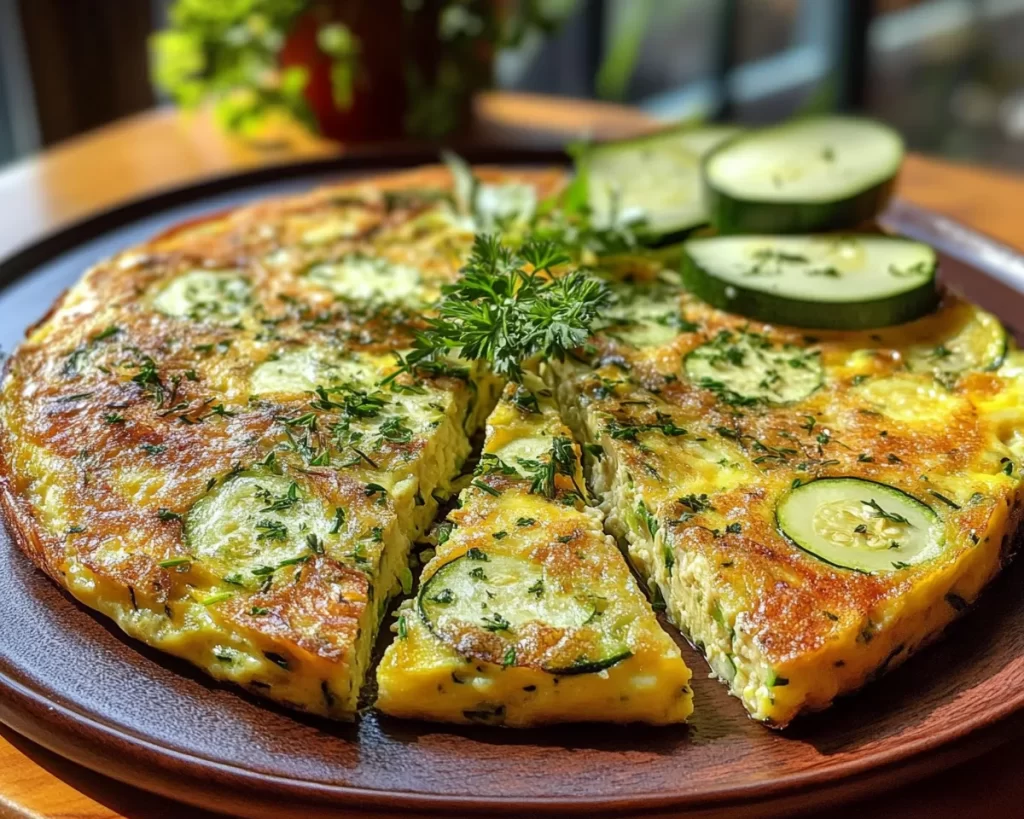
When you think of a comforting, nutritious, and versatile meal, a frittata often comes to mind. Imagine the rich aroma wafting through your kitchen as it bakes, enticing you and your family. A frittata is not just an ordinary egg dish; it’s a canvas for countless flavor combinations. Today, we are diving into a delightful Frittata Recipe with Zucchini + Herbs, perfect for spring. Whether you are a busy parent looking for an easy weeknight meal or a beginner excited to hone your culinary skills, this recipe will satisfy your cravings and elevate your cooking experience.
What sets this frittata apart is its vibrant combination of seasonal zucchini and fresh herbs, making it not just a healthy option but also a deliciously satisfying meal. You’ll learn how to prepare it step-by-step, the variety of ingredient substitutions, and tips for success. Ready to dive deep into this flavorful dish? Let’s get started!
What Is Frittata Recipe with Zucchini + Herbs (Spring Style)?
A frittata is a traditional Italian dish often compared to an omelet, but it has its own distinct characteristics. While an omelet is typically cooked quickly and folded, a frittata is cooked slowly and can include a wider range of fillings. The result is a dish that is both rich and hearty, with a delightful texture that can be both tender and custardy, depending on how you cook it. This particular frittata incorporates fresh zucchinis and assorted herbs that are so prevalent in spring, enhancing the flavor profile while also celebrating seasonal ingredients.
The **zucchini** serves as a wonderful low-calorie vegetable that adds moisture, making it a fantastic addition when combined with the eggs. Fresh **herbs** like basil, parsley, or chives not only introduce aromatic notes but also elevate the entire dish, creating a culinary experience that goes beyond mere sustenance. The versatility of the frittata allows it to be enjoyed warm for brunch or even cold as a quick snack, making it fitting for any occasion.
Why You’ll Love This
There are countless reasons why you will fall in love with this frittata. First and foremost, the taste is unmatched; each bite delivers a burst of **freshness** from the zucchini and herbs combined with the rich, creamy texture of the eggs. Unlike other breakfast options, this dish is not only fulfilling but also versatile; you can serve it at breakfast, lunch, or dinner. If you happen to have any leftovers, they make for a delicious mid-afternoon snack.
Another great advantage of a frittata is the ease with which it can be made. It requires minimal effort and is perfect for beginners or those short on time. You can whip it up in about 45 minutes, and the ingredients are inexpensive, making it budget-friendly. Moreover, this recipe allows for countless variations depending on your dietary needs or preferences; you can easily adapt it for a gluten-free or dairy-free diet.
A common misconception about frittatas is that they are difficult to prepare or require sophisticated cooking skills. However, that is far from the truth. With just a few straightforward techniques, anyone can create a mouthwatering frittata. Learning how to make this dish can unlock numerous possibilities in your kitchen, allowing you to explore different flavor profiles and seasonal ingredients.
Ingredients You’ll Need
To make a delightful Frittata Recipe with Zucchini + Herbs, you will need the following ingredients:
- 6 large eggs: This is the base of our frittata, providing protein and structure. Feel free to use egg substitutes if you follow a vegan diet; just ensure to properly measure for consistency.
- 1 medium zucchini (about 7-8 oz): Thinly sliced, healthy, and importantly, it adds moisture to the dish. You can substitute with other vegetables like bell peppers or spinach if desired.
- 1 small onion: Finely chopped, it adds a natural sweetness and depth of flavor. Shallots or leeks make great substitutes.
- 2 cloves garlic: Minced, to introduce an aromatic kick. If you prefer a milder taste, use garlic powder.
- 1/4 cup fresh herbs: Such as basil, chives, or parsley. These enhance the dish’s freshness. Dried herbs can also work, but fresh will give the best flavor.
- Salt and pepper: To taste, enhancing the overall flavors. Don’t underestimate the impact of seasoning in elevating a dish.
- 1/4 cup grated cheese: Optional, but cheese like feta or parmesan adds creaminess. Skip if you want a lighter version.
- Olive oil: For sautéing the vegetables, providing not just flavor but also aiding in the cooking process.
Each ingredient plays a crucial role in this dish, contributing to its overall flavor and texture. Don’t hesitate to let your creativity shine by incorporating your favorite veggies or herbs, depending on what you have on hand.
How to Make
Creating a perfect frittata is simpler than you might think! Follow these step-by-step instructions for a delicious result every time.
- Begin by preheating your oven to 350°F (175°C). This ensures that your frittata cooks evenly. As the oven heats, gather and prepare all your ingredients. Working efficiently makes the process feel more manageable and enjoyable!
- In a medium-sized frying pan, heat about 2 tablespoons of olive oil over medium heat. Ensure the oil is hot enough; you can test this by adding a small piece of onion. If it sizzles immediately, you are good to go.
- Add the chopped onion and sauté for about 3-4 minutes until translucent. At this stage, you should be able to smell the enticing aroma of caramelized onion. Following that, add the minced garlic and sauté for another minute. Be careful not to let it burn, as burnt garlic can impart a bitter flavor.
- Next, add the sliced zucchini to the pan. Sauté for about 5-6 minutes until it becomes soft and slightly golden. This will concentrate its flavor and improve the texture. Don’t forget to stir occasionally to ensure even cooking!
- While the zucchini is cooking, crack the eggs in a separate bowl. Whisk them until you achieve a smooth consistency. Feel free to add a splash of milk or cream if you desire a creamier texture. Season the mixture with salt and pepper to taste.
- Once the zucchini is ready, remove the pan from heat. Spread the sautéed mixture evenly in the pan, and pour the egg mixture over it. If you are using herbs, sprinkle them on top now, along with any grated cheese you desire.
- Now, transfer the frying pan to the preheated oven and bake for about 20-25 minutes, or until the frittata has puffed up and is set in the center. Occasionally, check for doneness by gently shaking the pan; if it jiggles only slightly, it is ready!
- Once cooked, take the frittata out and let it cool for a couple of minutes. You can slice it into wedges to serve. It can be enjoyed warm or at room temperature. Consider garnishing with additional herbs for that vibrant touch!
Cooking doesn’t have to be daunting, especially with a versatile dish like frittata. These steps will guide you through the process; remember, practice makes perfect!
Variations & Substitutions
Zucchini and Tomato Frittata: If you want to add an extra layer of flavor, consider including diced tomatoes in your frittata. Tomatoes not only enhance the visual appeal but also contribute natural sweetness and juiciness that complements the richness of the eggs. This variation is excellent for those who enjoy a slightly tangy flavor profile. Just be aware that more moisture can lead to a softer texture, so consider reducing the amount of zucchini or using firmer varieties to balance things out.
Cheddar and Spinach Frittata: For a heartier option, try adding fresh spinach and sharp cheddar cheese. The spinach adds a nutrient-packed punch, and the cheddar offers a delicious creaminess. This is a fantastic option for those who are looking to boost their vegetable intake; you can even sneak in some other greens like kale or Swiss chard. When cooking spinach, ensure to sauté it until wilted before adding the eggs. This will help to reduce moisture and avoid a soggy frittata.
Mushroom and Feta Frittata: Adding sautéed mushrooms and crumbled feta cheese can take your frittata to the next level. The earthy flavor of mushrooms blends seamlessly with the tangy feta. This combination is not only satisfying but also gluten-free. To make this variation, sauté the mushrooms until they are golden brown, which enhances their flavor, before combining them with the egg mixture. This variant is a great option for brunches, paired with a light salad.
Asian-Inspired Frittata: Want to give your frittata an adventurous twist? Incorporate ingredients like scallions, ginger, and soy sauce. This delightful version is perfect for those seeking bold flavors. Use Asian-style herbs like cilantro or Thai basil for a refreshing touch. As you whisk the eggs, a splash of soy sauce can enhance the umami flavor. Just be mindful of the salt levels, as soy sauce itself is quite salty.
Each variation allows you to cater to dietary preferences while offering a delicious alternative to the classic frittata. Your kitchen should be a playground; feel free to experiment with various ingredients and flavors!
Common Mistakes to Avoid
While making a frittata is generally straightforward, certain pitfalls can lead to undesirable results. One common mistake is overcooking the eggs. This can result in a rubbery texture that is far from the intended creamy feel. To avoid this, be sure to monitor the cooking time closely—an undercooked frittata will be soft but shouldn’t be runny. If you are unsure, always take it out a few minutes early, as residual heat will continue cooking the eggs slightly.
Another mistake is neglecting to season adequately. Eggs, though tasty, can be bland without the right seasoning. Ensure you incorporate enough salt and pepper from the start to elevate the overall flavor. Additionally, don’t skimp on the herbs; they can transform a simple dish into something extraordinary.
Lastly, many make the error of adding too many ingredients. While the versatility of frittatas is a significant advantage, overcrowding can lead to uneven cooking and a lackluster texture. Stick to a balanced ratio of egg to fillings for the best outcome, generally around 1 to 2 cups of vegetables per 6 eggs.
By avoiding these common mistakes, you’ll be well on your way to creating a perfect frittata, bursting with flavor and delightful textures.
Storage, Freezing & Reheating Tips
Proper storage is essential to maintain the quality of your frittata. Once cooked, allow it to cool completely before transferring it to an airtight container. You can store leftovers in the refrigerator for up to 4 days. For best results, I recommend cutting them into portions before storage, making it easier for you to grab a quick snack or meal at any time.
If you want to keep the frittata for an extended period, you can freeze it! Wrap the frittata tightly in plastic wrap or foil, before placing it in an airtight container or freezer bag. It will keep well for up to 3 months in the freezer. When ready to eat, thaw it in the refrigerator overnight before reheating.
To reheat, preheat your oven to 350°F (175°C) and place the frittata in an oven-safe dish covered with foil to retain moisture. Heat for about 15-20 minutes, or until warmed through. You can also reheat individual slices in the microwave for a quick meal, but the oven will yield better texture.
Following these storage and reheating tips can help you enjoy your frittata well beyond the cooking day, ensuring that every bite tastes fresh and delightful.
Frequently Asked Questions
Can I make a frittata in advance? Yes, a frittata can be made in advance. In fact, it tastes even better the next day as the flavors meld. Just make sure to store it in an airtight container in the fridge. It can be eaten cold or reheated as desired.
How can I tell when the frittata is done cooking? A well-cooked frittata should puff up slightly, and when gently shaken, there should be only a little jiggle in the center. If it wobbles quite vigorously, it likely needs more time. You can also insert a knife in the center; if it comes out clean, your frittata is done.
Can I use egg substitutes in this recipe? Absolutely! You can use egg substitutes (such as flax eggs or a commercial egg replacer) for a vegan version. Just remember to follow the package directions for equivalent amounts to ensure the right consistency.
What if I don’t have fresh herbs? If fresh herbs aren’t available, you can opt for dried herbs. Use about one-third of the amount compared to fresh, as dried herbs are more concentrated. Adjust according to your taste preferences.
Is it gluten-free? Yes, this frittata is naturally gluten-free, making it a suitable option for those with gluten sensitivities or celiac disease. Just ensure any added ingredients, like cheeses or sauces, are also gluten-free.
Conclusion:
This Frittata Recipe with Zucchini + Herbs (Spring Style) is not only simple to make but also incredibly rewarding. With its lovely blend of flavors and textures, it has the potential to become a regular in your meal rotation. Whether you enjoy it fresh from the oven, reheated for a quick lunch, or served cold at a summer picnic, this dish never fails to impress.
Don’t hesitate to try different ingredient variations that suit your tastes or explore seasonal replacements! Your kitchen is your canvas, and this frittata is a wonderful opportunity to express your culinary creativity. So grab your ingredients, gather your loved ones, and make this delectable frittata that you’ll cherish for meals to come. Happy cooking!