Prep time: 15 minutes
Cook time: 30 minutes
Total time: 45 minutes
Servings: 4
Imagine waking up on a busy weekday morning, craving a nourishing, filling meal that doesn’t take hours to prepare. The aroma of fresh vegetables baking in a dish, combined with the rich, creamy texture of eggs, creates a perfect start to a day full of possibilities. That’s exactly what you get with this delightful Frittata Recipe with Mixed Veggies. This easy baked dish is a versatile crowd-pleaser, providing not just comfort but a nutritious boost that your body will thank you for.
Frittatas are similar to omelets but are typically thicker and baked rather than cooked entirely on the stovetop. They can incorporate a variety of ingredients, making them a flexible option for breakfast, lunch, or dinner. Today, you will learn how to make this simple frittata packed with vibrant veggies, tips for perfecting your dish, and variations to cater to different tastes and dietary needs.
What’s more? You can whip this dish together while juggling chores or getting the kids ready for school, ensuring that everyone starts their day off on the right foot.
What Is Frittata Recipe with Mixed Veggies (Easy Baked)?
A frittata is an Italian egg-based dish that often includes a variety of ingredients. Traditionally, it is made by mixing whipped eggs with vegetables, cheese, and sometimes meats, and then cooking it on the stovetop and finishing it in the oven. In essence, the frittata serves as a canvas for your culinary creativity, with the primary ingredient being eggs.
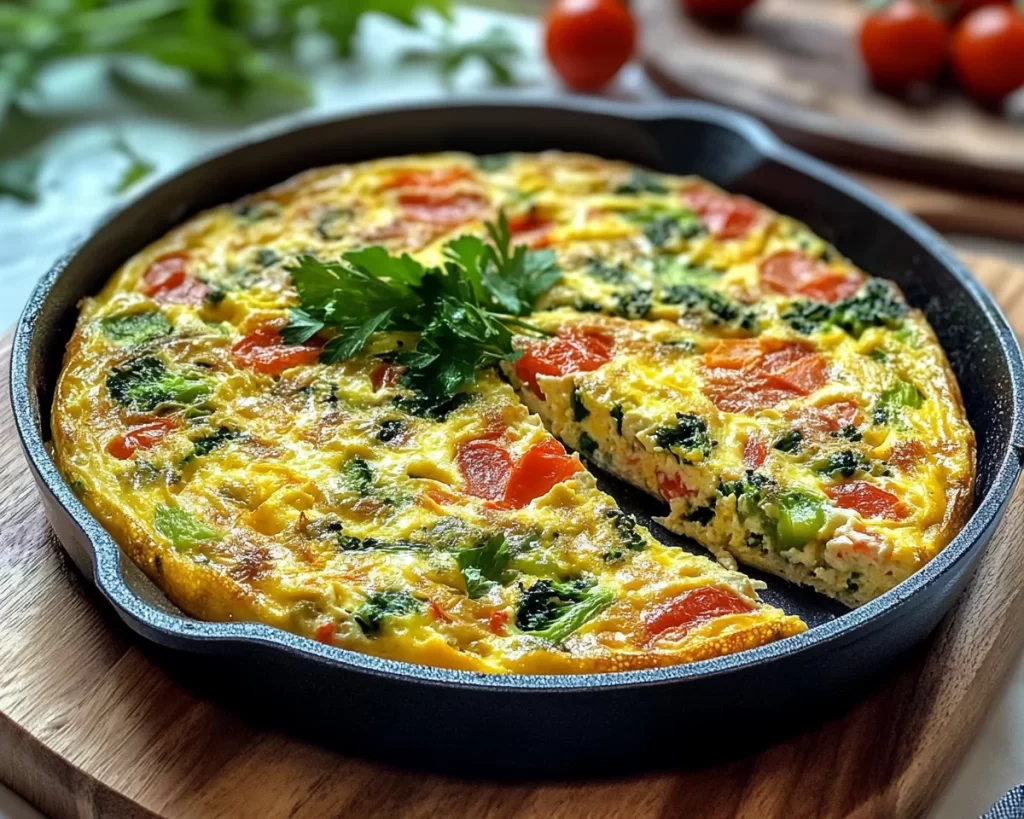
This specific recipe showcases a delightful medley of mixed vegetables like bell peppers, spinach, and tomatoes, enhancing the dish’s flavor and nutritional profile. Picture sinking your fork into a beautifully baked frittata; the creamy texture of the eggs contrasts with the tender vegetables, creating a mouthwatering experience. Each bite bursts with flavors and aromas that elevate the humble egg to a dish worthy of any table.
The frittata’s versatility allows you to customize it according to seasonal produce or your family’s preferences, making it a fantastic go-to for quick weekday breakfasts or elegant brunches. Whether served hot or at room temperature, this dish adapts to various occasions and palates.
Why You’ll Love This
There are countless reasons to love this frittata recipe. Firstly, the taste is nothing short of exceptional. The combination of sautéed mixed vegetables with seasoned eggs creates a flavorful and satisfying meal. The frittata holds its own in taste and texture, making it a crowd-pleaser even among picky eaters.
Not only is this dish delicious, but it is also incredibly easy to prepare. In under an hour, you can have a robust meal ready that requires minimal hands-on time. This is particularly appealing for busy parents juggling meals and kids’ activities. You can even prepare it ahead of time, so you have a healthy option waiting in the fridge after a long day.
Cost-effectiveness is another appealing aspect. Utilizing seasonal vegetables not only enhances flavor but also saves you money. The frittata allows for endless adaptations, making it a budget-friendly dish that you can tailor to your household’s taste. What’s more, it’s a healthful option, loaded with protein and essential nutrients from the vegetables.
It’s also worth addressing common misconceptions surrounding frittatas—it’s not just an egg dish. Instead, it’s a wholesome, well-rounded meal that can be made with pantry staples. The frittata is versatile enough to cater to various dietary preferences, from vegetarians to those looking to pack protein.
Ingredients You’ll Need
To prepare this delightful frittata, you will need the following ingredients:
- 6 large eggs: eggs serve as the base of the frittata. If you want a lighter option, you can replace some of the eggs with egg whites.
- 1 cup of mixed vegetables: this can include diced bell peppers, spinach, and tomatoes. Feel free to substitute with other veggies you have on hand like zucchini or mushrooms.
- 1/2 cup of shredded cheese: cheddar, mozzarella, or feta cheese can enhance the creaminess of the frittata. Choose your favorite or omit it entirely for a dairy-free version.
- 1/2 cup of diced onion: onions add depth and flavor. Red onions bring sweetness, while yellow onions contribute heartiness.
- Salt and pepper: essential for seasoning. Add spices like paprika or herbs for an extra kick.
- 1 tablespoon of olive oil: this is used for sautéing the vegetables to soften their texture and amplify their flavors.
Each ingredient plays a crucial role in creating a balanced and flavorful dish. The egg is protein-rich, providing a filling base for your meal. The vegetables offer essential vitamins and minerals, while the cheese adds both flavor and creaminess.
How to Make
Follow these step-by-step instructions to create your frittata.
- Preheat your oven: Begin by preheating your oven to 375°F (190°C). This will ensure that your frittata bakes evenly and thoroughly.
- Sauté the vegetables: In a large oven-safe skillet, heat the olive oil over medium heat. Add the diced onion and sauté for about 3-4 minutes, or until they become translucent. Next, add the mixed vegetables and continue to sauté for another 4-5 minutes until they are tender. The mixture should be fragrant and colorful, filling your kitchen with mouth-watering aromas.
- Whisk the eggs: In a large bowl, whisk the eggs until fully combined. You want a light and frothy mixture, which will create a fluffy texture. Season the eggs generously with salt and pepper. If you choose to add any herbs or spices, now is the time.
- Combine the ingredients: Pour the egg mixture over the sautéed vegetables in the skillet. Gently stir in the shredded cheese, distributing it evenly throughout the mixture. The cheese will melt during the cooking process, adding richness to each slice of frittata.
- Bake the frittata: Transfer the skillet to the preheated oven. Bake for 20-25 minutes, or until the frittata is set in the center and slightly puffed. The edges may become golden brown, giving a gorgeous visual appeal to your dish.
- Cool and serve: Once baked, remove the frittata from the oven and allow it to cool for about 5-10 minutes. This lets the flavors meld and makes it easier to slice and serve. Cut into wedges and serve warm or at room temperature.
As you make this frittata, pay attention to the colors and textures developing in the pan. The vibrant veggies combined with the creamy eggs are not only a feast for the taste buds but also for the eyes.
Variations & Substitutions
Vegetable-Only Frittata: For a vegetarian-friendly option, you can double the quantity of vegetables and exclude any cheese. This version emphasizes the fresh flavors of seasonal produce, making it ideal for those looking to load up on nutrients.
Meat Lover’s Frittata: If you’re in the mood for something heartier, consider adding cooked meats. Chopped ham, crumbled sausage, or cooked bacon can bring a savory depth to the dish. Ensure the meat is cooked before mixing it with the egg and veggies, as the frittata doesn’t require lengthy cooking time.
Dairy-Free Frittata: If you are lactose intolerant or following a dairy-free lifestyle, replace the cheese with a non-dairy alternative, or simply omit it entirely. Add more flavorful herbs like basil or nutritional yeast to enhance the taste.
Spicy Frittata: For those who enjoy a kick, consider adding diced jalapeños or a sprinkle of red pepper flakes into the egg mixture. This version will create a delightful heat that complements the veggies and eggs beautifully.
Remember, cooking is all about personal preference. Feel free to play around with the ingredients and ratios to discover your ideal frittata.
Common Mistakes to Avoid
When making a frittata, there are a few potential pitfalls you’ll want to be aware of to ensure delicious results. First, avoid overcooking the eggs. If baked for too long, the texture will become dry and rubbery. Keep a close eye on the oven for that perfect custard-like finish.
Another common mistake is overcrowding the skillet with too many vegetables. While the colorful mix is exciting, too many veggies can lead to an overly watery frittata. Stick to the recommended amounts to maintain balance.
Lastly, under-seasoning is a common issue. Since frittatas rely on a few core ingredients, seasoning them properly ensures that every bite is packed with flavor. Don’t hesitate to taste the mixture before baking and adjust the seasoning as needed.
Storage, Freezing & Reheating Tips
To enjoy leftovers or meal prep for busy days, proper storage is key. Once the frittata has cooled, cover it tightly with plastic wrap or store it in an airtight container. It can be kept in the refrigerator for up to three days.
If you decide to make a larger batch, consider freezing portions for later use. Cut the frittata into slices, wrap each slice individually in plastic wrap, and then place them in a freezer-safe bag. They can last in the freezer for up to three months.
When you’re ready to enjoy, simply thaw overnight in the refrigerator and reheat in the oven or microwave. If reheating in the microwave, cover the slice with a damp paper towel to avoid drying it out.
Food safety is essential, so always ensure to reheat leftovers to 165°F (74°C) before consuming. This helps to guarantee that potential bacteria are eliminated, making your meal safe to eat.
Frequently Asked Questions
Can I prepare the frittata ahead of time?
Absolutely! You can prepare the frittata a day in advance and refrigerate it. Reheating slices the next morning makes for a quick breakfast option without sacrificing flavor.
How long does a frittata last in the fridge?
A properly stored frittata can last up to three days in the refrigerator. Always ensure to keep it in an airtight container or tightly wrapped to maintain its freshness.
What can I serve with a frittata?
Frittatas are delightful on their own, but you can elevate your meal by serving it with a fresh salad, crusty bread, or even some avocado slices. These sides add extra texture and flavor to your dining experience.
Can I use egg substitutes in this recipe?
If you are looking to reduce cholesterol or have dietary restrictions, egg substitutes such as egg whites or products made for vegans can be utilized. Just keep in mind that the texture may vary slightly.
Is a frittata the same as a quiche?
While both are egg-based dishes, a quiche typically includes a crust and is richer due to the addition of cream or milk. A frittata is crustless, lighter, and often uses vegetables to enhance the main ingredient—eggs.
Conclusion:
The Frittata Recipe with Mixed Veggies is a fantastic choice to brighten your mornings and make meal preparation a breeze, whether you need a speedy breakfast or a wholesome lunch option. Its adaptability to include various vegetables, cheeses, or meats ensures there’s something for everyone, meeting various dietary needs and preferences.
With each slice, you’ll reap the benefits of wholesome ingredients while satisfying cravings. I encourage you to try this recipe and make it your own—experiment with flavors, add your favorite fillings, and share this delightful dish with friends and family. With its simple preparation and robust flavor, this frittata is sure to become a beloved staple in your home. Enjoy the journey of cooking, and don’t hesitate to make it as colorful and vibrant as your personality!