Prep time: 20 minutes
Cook time: 15 minutes
Total time: 35 minutes
Servings: 20
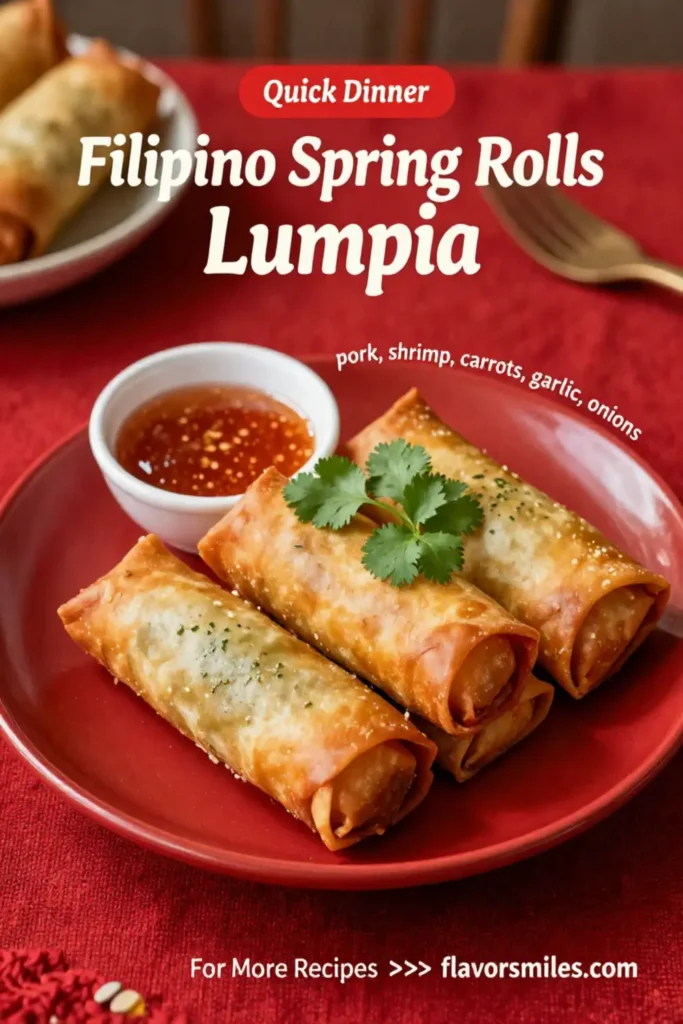
Indulging in Filipino cuisine brings forth a myriad of flavors and textures, with *Lumpia* standing out as a beloved favorite. These crispy spring rolls, often stuffed with vegetables and protein, offer a delightful crunch and savory filling that takes you on a culinary journey through the Philippines. They are perfect as an appetizer or snack, making them ideal for gatherings, parties, or even a simple family dinner.
What Is Filipino Spring Rolls Lumpia Recipe: 7 Secrets to Perfection?
*Lumpia* is not just a dish; it’s a celebration of Filipino culture, often served during festive occasions and family gatherings. This traditional dish can be made with various fillings, including pork, shrimp, or even a vegetarian mix. The art of making *lumpia* involves mastering the wrapper-making technique and achieving the right balance of flavors in the filling. The seven secrets to achieving perfection include choosing the right ingredients, precise wrapping techniques, oil temperature, and frying duration, all of which we’ll explore in detail.
Why You’ll Love This
There are countless reasons to fall in love with *lumpia*. First, its versatility is unmatched—whether you prefer meat-filled or vegetable-only options, there’s a version for everyone. The *lumpia* can be enjoyed with various dipping sauces, amplifying its flavor profile. Second, the crispy texture is absolutely addictive; there’s nothing quite like biting into a perfectly fried spring roll. Additionally, this recipe offers a wonderful therapeutic cooking experience, allowing you to engage with your ingredients and create something delicious. Finally, it’s a fantastic way to impress your friends and family, showcasing your culinary skills that bring together tradition and taste.
Ingredients You’ll Need
- 1 lb ground pork: The classic meat used, providing a rich flavor and savory base.
- 1 cup carrots, finely chopped: Adds sweetness and a lovely crunch, enhancing both taste and texture.
- 1 cup green beans, finely chopped: Adds freshness and color, complementing the other fillings.
- 2 cloves garlic, minced: Essential for depth of flavor, bringing warmth to the filling.
- 1 small onion, chopped: Provides sweetness and aroma upon frying.
- 1 tablespoon soy sauce: Balances out the flavors, adding a savory note.
- 1 tablespoon oyster sauce: Takes the umami flavor to the next level, enhancing the overall profile.
- 1 package lumpia wrappers: The essential outer layer, crisping up beautifully during frying.
- Vegetable oil for frying: Necessary for achieving that golden, crispy exterior.
- Salt and pepper to taste: Key for seasoning, bringing all the flavors together.

How to Make
- Prepare the filling by heating a skillet over medium heat. Add the ground pork, allowing it to cook thoroughly. As it cooks, use a spatula to break it apart, ensuring it browns evenly, which should take about 5 minutes. The pork should no longer be pink and should have a slight golden hue.
- Once the pork is browned, add the chopped onions and garlic to the skillet. Sauté for 2 to 3 minutes until the onions become translucent, releasing their natural sweetness. This step will enhance the flavor of the filling significantly.
- Stir in the chopped carrots and green beans, continuing to sauté for an additional 5 minutes. The vegetables should be vibrant and slightly tender but still retain their crunch. This texture will contribute to the final product’s appeal, balancing the softness of the meat.
- Add the soy sauce and oyster sauce to the mixture, stirring well to combine. Allow the filling to cook for another minute, absorbing all the flavors. Taste and season with salt and pepper according to your preference—this step is vital for achieving the perfect taste.
- Remove the filling from heat and let it cool slightly. While it cools, prepare your lumpia wrappers according to package instructions. Each wrapper typically requires a certain handling method, so ensure to follow those guidelines carefully to prevent tearing.
- To roll the lumpia, place a tablespoon of filling on the bottom corner of a wrapper. Fold the corner over the filling, then roll tightly, folding the sides in as you go to secure the contents. It’s important to ensure a tight roll to avoid any filling spilling out during frying.
- Once rolled, seal the edges with a little water or a mixture of flour and water. This method is essential for keeping the wrappers together during the frying process—an important step for achieving that crispy exterior.
- Heat oil in a deep pan over medium-high heat. Before adding the lumpia, test the oil’s readiness by dropping a small piece of wrapper; it should sizzle upon contact. Carefully place the rolled lumpia in the oil, frying them until golden brown and crispy, which typically takes about 3 to 4 minutes per side.
- Transfer the fried lumpia to a paper towel-lined plate to absorb excess oil, ensuring they remain crispy. Serve them hot with your favorite dipping sauce, like sweet chili or vinegar, allowing for an explosion of flavor in every bite.
Variations & Substitutions
Vegetarian Lumpia: For a plant-based option, swap the ground pork with a mixture of mushrooms, tofu, and additional vegetables like cabbage and bell peppers. The combination offers a satisfying texture and is equally delicious. Adding a bit of soy sauce and sesame oil will boost the flavor profile even more.
Chicken Lumpia: If you prefer poultry, ground chicken is a great replacement for pork. It cooks similarly and can be flavored with the same sauces mentioned above. To elevate the dish, consider adding some fresh herbs like cilantro or basil for a hint of freshness.
Seafood Lumpia: For a coastal twist, try filling the wrappers with a mix of shrimp and crab meat. The seafood provides a delicate flavor that complements the wrappers beautifully. Add a bit of lemon zest to the filling for a refreshing burst of citrus.
Spicy Lumpia: For heat lovers, incorporate chopped jalapeños or a splash of sriracha into the filling. This variation packs a punch and will satisfy your cravings for something with a kick while still savoring the classic flavors of the original dish.
Common Mistakes to Avoid
One common mistake is overfilling the lumpia. It’s tempting to add as much filling as possible, but doing so can lead to tearing the wrapper, resulting in an undesirable mess. It’s crucial to remain within 1 to 2 tablespoons of filling for each roll.
Another issue is not allowing enough time for the oil to reach the proper temperature. If the oil is not hot enough, the lumpia will absorb too much oil, preventing the crispy texture you desire. Always conduct the oil test mentioned earlier to ensure its readiness.
A third frequent mistake is rushing the frying process. Each side of the lumpia should take around 3 to 4 minutes to fry properly, providing enough time for it to develop that golden brown, crispy exterior.
Storage, Freezing & Reheating Tips
If you find yourself with leftover *lumpia*, allow them to cool completely before storing them in an airtight container. They can be kept in the refrigerator for up to 3 days, though they are best enjoyed fresh. The longer they sit, the softer they become, diminishing that fantastic crunch.
For longer storage, consider freezing. Place the uncooked lumpia on a baking sheet in a single layer. Once frozen, transfer them to a freezer-safe bag, ensuring to remove as much air as possible. They will keep well for up to 2 months. When ready to enjoy, cook them directly from the freezer without thawing.
To reheat, the oven is your best bet. Preheat it to 375°F (190°C), and place the *lumpia* on a baking sheet. Bake for about 15 minutes until hot and crispy. This method helps retain the crunch you love while warming the filling thoroughly.
Frequently Asked Questions
Can I make lumpia ahead of time? Yes, you can assemble *lumpia* ahead of time. After rolling, store them in an airtight container or freeze them until you’re ready to fry. If you store them in the refrigerator, ensure they are not stacked to avoid sticking.
What can I serve with lumpia? Lumpia is commonly served with a variety of sauces, including sweet chili sauce, vinegar, or a peanut sauce. Pair them with some fresh vegetables or a light salad to balance out the richness.
What’s the best oil for frying lumpia? Vegetable oil or canola oil is ideal for frying *lumpia* due to their high smoke point. Avoid using oils with a strong flavor, such as olive oil, as they can interfere with the taste of the rolls.
Can I bake lumpia instead of frying? Yes, baking lumpia is a healthier alternative. Brush them with a little oil and bake them in a preheated oven at 375°F (190°C) for about 20 minutes, turning halfway to ensure even browning.
Why is my lumpia soggy? Sogginess typically results from frying in oil that is not hot enough. Ensure the oil reaches the correct temperature before adding the rolls, and avoid overcrowding the pan to allow for even frying.
Conclusion: Making *Lumpia* is an impressive yet accessible culinary endeavor that offers both flavor and texture. With these detailed instructions and tips, you’ll be well on your way to mastering this Filipino delicacy. Whether it’s for a party or a family dinner, *lumpia* will surely be a crowd-pleaser. Enjoy the process, and indulge in the incredible flavors this dish has to offer!