Prep time: 10 minutes
Cook time: 20 minutes
Total time: 30 minutes
Servings: 4
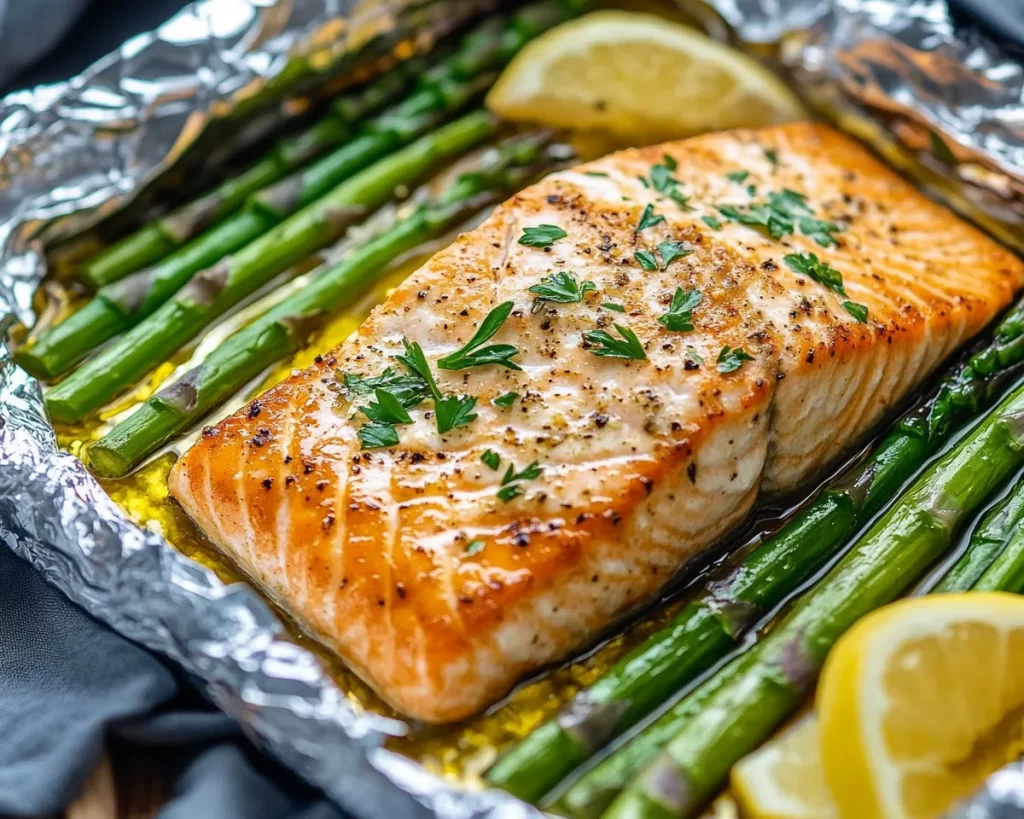
Making a savory dish that can satisfy even the pickiest eaters often feels like a daunting task, but with the right recipe, it becomes a delightful culinary adventure. Picture this: succulent, flaky salmon perfectly cooked and nestled next to tender asparagus, all enveloped in a blanket of fragrant herbs and spices. This Easy Baked Salmon in Foil with Asparagus is not only visually stunning but also incredibly easy to prepare, making it an everyday meal that’s worthy of a special occasion.
What sets this dish apart is the simplicity in its preparation. You will learn the art of cooking salmon in foil, a technique that locks in moisture and flavor while minimizing cleanup. Perfect for busy parents or anyone looking to whip up a healthy meal without extensive cooking time, this recipe is a game-changer in the weeknight dinner realm.
Imagine the aroma of garlic and lemon filling your kitchen, enticing everyone to gather around the dinner table as they anticipate a meal that not only satisfies hunger but also nourishes the soul. You’ll be surprised by how easy it is to create such an impressive dish with a few quality ingredients and minimal fuss.
What Is Easy Baked Salmon in Foil with Asparagus?
Easy Baked Salmon in Foil with Asparagus is a versatile dish that originates from the simple cooking techniques aimed at enhancing natural flavors while keeping meals light and healthy. The method of baking food in foil, also known as “en papillote,” has ancient roots, as it helps steam the ingredients while protecting them from direct heat. This technique ensures that the salmon retains its moisture, resulting in a tender, flaky texture that’s easy to shred with a fork.
The dish usually features a beautiful salmon fillet paired with *asparagus*, a vegetable that complements the fish beautifully. Both ingredients meld together, creating harmony on the palate. When baked, the flavors intensify, as the salmon absorbs the essence of garlic, lemon, and fresh herbs. The gentle steam created inside the foil enhances the *asparagus* as well, making it tender while still retaining a slight crunch.
What makes this dish perfect for any occasion—whether a casual family dinner or a romantic date night—is its ease of preparation coupled with impressive results. You can even customize it to accommodate different tastes or dietary needs, making it a truly universal meal option.
Why You’ll Love This
There are numerous reasons why this Easy Baked Salmon in Foil with Asparagus will become a staple in your meal rotation. First and foremost, the taste is simply delicious. The combination of ocean-fresh salmon with the earthy, slightly nutty flavor of asparagus creates an amazing flavor profile that is both satisfying and light. It’s a meal that doesn’t weigh you down, ideal for those who prioritize healthy eating.
In addition to its exquisite taste, the preparation method is incredibly simple, making it perfect for busy parents or anyone just starting in the kitchen. You don’t have to be a gourmet chef to impress your family or guests; just follow the straightforward instructions, and you’ll pull off a remarkable dish effortlessly.
Another remarkable aspect of this recipe is its cost-effectiveness. Salmon can be more affordable than a dining-out experience, and making it at home allows you to control the quality of ingredients. This dish promotes *meal prep*, meaning you can make enough servings for leftovers or lunches later in the week.
Additionally, this recipe is highly versatile. Feel free to experiment with different seasonings, side vegetables, or even sauces to customize the dish to your liking. Whether you opt for a gluten-free soy sauce, a drizzle of *honey*, or additional herbs, the options are virtually limitless. No two meals have to be the same, making this a timeless recipe you’ll return to again and again.
Ingredients You’ll Need
- Salmon fillets: The star of this recipe. Look for fresh, high-quality fillets for the best flavor. You can substitute with other fish such as trout or even chicken breast if preferred.
- Asparagus: Adds both flavor and nutritional value. If asparagus isn’t in season, consider green beans or broccoli as substitutes.
- Garlic: Fresh minced garlic adds a vital aromatic quality. You may swap with garlic powder in a pinch, but the freshness makes a big difference.
- Lemon: Zest and juice brighten the dish. Limes can work as a substitute for a different citrus note.
- Olive oil: Enhances flavor, helps prevent sticking, and adds healthy fats. Avocado oil is another great alternative.
- Fresh herbs (like parsley or dill): Provide an aromatic freshness to the dish. If you don’t have fresh herbs, dried herbs will suffice but use less, as they are more concentrated.
- Salt and pepper: Essential for balancing flavors. Feel free to experiment with other spices like paprika or chili flakes for a kick.
Each ingredient serves its purpose in building flavor and texture while contributing to the healthfulness of the dish. If you’re looking to tailor this recipe to a special dietary need or preference, don’t hesitate to explore different combinations or sub-in ingredients that resonate more with your palate.
How to Make
- First, preheat your oven to 400°F (200°C). Preheating is crucial to ensure that your salmon cooks evenly and that the *asparagus* retains its crispness.
- Next, prepare two large pieces of aluminum foil, each large enough to wrap around a salmon fillet and some asparagus without leaving any openings. Lay the foil on a baking sheet to catch any drips.
- Place the salmon fillets in the center of each piece of foil. Arrange a handful of asparagus on either side, creating a lovely presentation that’s sure to impress.
- In a small mixing bowl, combine minced garlic, lemon juice, olive oil, salt, and pepper. Drizzle this mixture over the salmon and asparagus. You can also sprinkle the zest of lemon on top for added flavor.
- To enhance the flavors even further, chop your preferred fresh herbs and scatter them over everything generously. Fresh herbs give a burst of flavor that elevates this dish from good to exceptional.
- Now, fold the foil tightly around the salmon and asparagus to create a sealed packet. Ensure it’s securely closed to lock in moisture while cooking. This step is crucial for achieving that tender, flaky texture in the salmon.
- Place the prepared foil packets in the preheated oven and bake for 15-20 minutes. The cooking time will depend on the thickness of the salmon. You’ll know when it’s ready when the salmon flakes easily with a fork.
- Once cooked, remove the foil packets from the oven and let them rest for a couple of minutes before carefully opening them—watch out for the steam! Serve immediately and enjoy a meal that’s not only tasty but also visually appealing.
Cooking methods like this can draw out flavors in a beautiful way, and baking in a sealed foil packet ensures that your main dish is accompanied by vibrant, fresh veggies.
Variations & Substitutions
Herb-Infused Variation: If you want to elevate the flavor even further, consider adding a variety of fresh herbs like thyme, tarragon, or rosemary. These herbs complement the natural richness of salmon beautifully. This variation is perfect for those who enjoy aromatics and fresh flavors, enhancing the overall taste profile of the dish.
Asian-Inspired Variation: Use soy sauce, sesame oil, and ginger instead of garlic and lemon. This variation introduces a unique twist to the dish while remaining healthy. You can add sliced bell peppers or bok choy for more texture and color. It’s an excellent option for those who enjoy global flavors in their meals.
Spicy Cajun Variation: For a kick of heat, marinate the salmon with Cajun seasoning and a drizzle of hot sauce. Pair it with corn instead of asparagus to add sweetness and crunch. Great for spice lovers, this variation turned up the flavor with a Southern twist that’s delightful.
Low-Carb Variation: Swap out the asparagus for zucchini noodles or spiralized squash if you want a lower-carb option. These alternatives will still provide a satisfying texture that pairs beautifully with the salmon, making it a fantastic choice for those embracing a ketogenic lifestyle.
Each of these variations allows for personalized flavors while still preserving the essence of the dish. Feel free to mix and match or create your variations, making this recipe your own.
Common Mistakes to Avoid
One common mistake people make while cooking salmon is overcooking it. Overcooking will leave your salmon dry and unappealing. The best way to know if your salmon is ready is to keep an eye on it and use a meat thermometer; the ideal internal temperature should be around 145°F (63°C).
Another pitfall can be not properly sealing the foil. A poorly sealed packet can allow steam to escape, leading to uneven cooking. Ensure that the edges are tightly folded and that no holes or gaps are present.
Lastly, don’t skip the resting time after baking. This allows the flavors to settle and the juices to redistribute. If you cut into the salmon immediately, you could lose all the lovely moisture you just worked so hard to achieve.
Storage, Freezing & Reheating Tips
When it comes to storing leftovers, you can keep baked salmon in the refrigerator for up to three days. Make sure to store it in an airtight container to preserve its flavor and texture. If you want to enjoy this meal beyond a few days, consider freezing it. To freeze, wrap the salmon and *asparagus* tightly in plastic wrap or foil before placing them in a freezer-safe bag. You can freeze it for up to three months without significant loss of quality.
For reheating, you can use the oven or microwave, but remember that reheating in the oven will give you better results. Set your oven to a low temperature (about 300°F or 150°C) and cover the salmon with a little foil to retain moisture. Heat until you reach the desired warmth, but avoid heating it too quickly, as this can lead to drying.
Remember to follow food safety best practices. Always refrigerate within two hours of cooking, and do not refreeze fish that has been thawed.
Frequently Asked Questions
Can I use frozen salmon for this recipe?
Absolutely! Just make sure to thaw the salmon completely before cooking to ensure even cooking. You can do this by placing it in the refrigerator overnight or using the defrost setting on your microwave.
Can I prepare this meal in advance?
Yes, you can prep everything up to the point of baking a few hours ahead of time. Simply refrigerate the assembled foil packets and pop them in the oven when you’re ready to cook. This is a fantastic time-saver on busy evenings.
What if I don’t have fresh asparagus? Can I substitute it?
Certainly! Green beans, broccoli, or even bell peppers are great substitutes and will work beautifully in this dish. Choose vegetables that will cook in a similar amount of time for best results.
How do I know when the salmon is done cooking?
The easiest way to check is to use a meat thermometer; the internal temperature should reach 145°F (63°C). Alternatively, you can check if the salmon flakes easily with a fork.
Can I make this dish without foil?
While foil is recommended for optimal moisture retention, you can bake the salmon on a baking sheet covered with parchment paper. Just be sure to monitor closely, as cooking times may vary slightly.
Conclusion:
This Easy Baked Salmon in Foil with Asparagus encapsulates the essence of healthy, delicious cooking. With simple ingredients and an easy preparation method, this recipe allows you to nourish your family without added stress. Whether you choose to customize the flavors with various herbs and spices or stick to the classic recipe, you will find this dish a delightful addition to your repertoire. Try it for yourself, share it with loved ones, or even gift someone with a home-cooked meal. Get cooking today—your taste buds will thank you!