Prep time: 20 minutes
Cook time: 45 minutes
Total time: 1 hour 5 minutes
Servings: 8
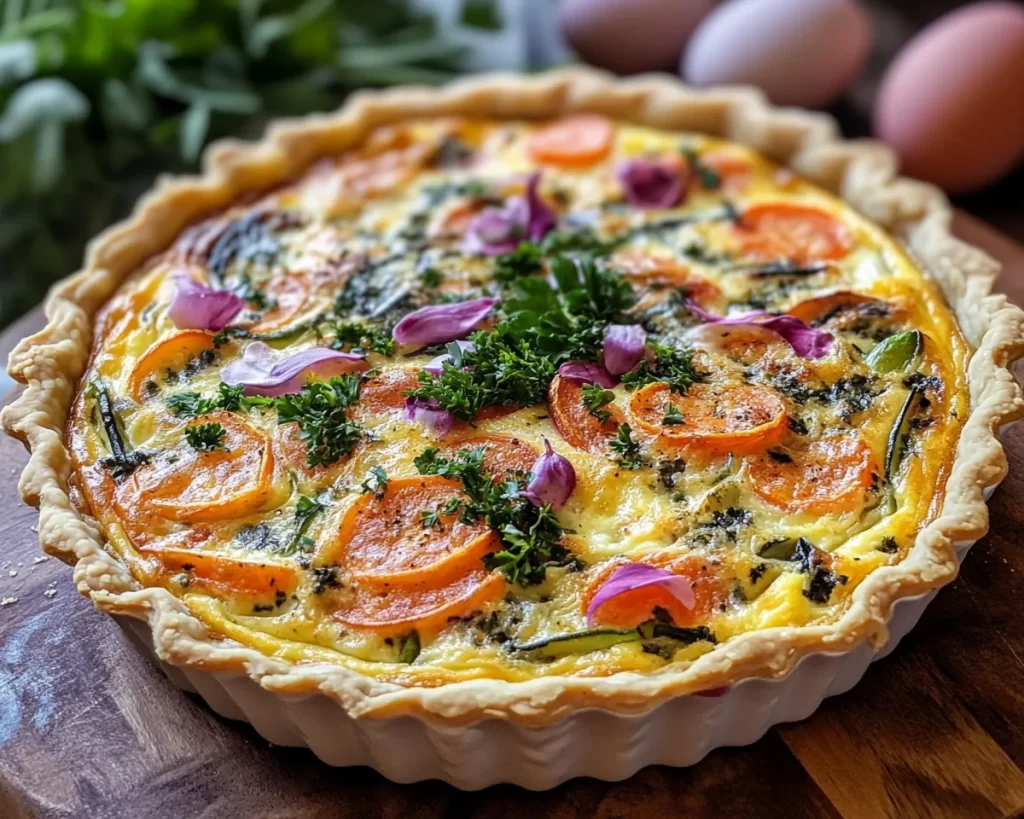
When spring arrives, it brings a renewed sense of community and celebration. One of the most delightful dishes to grace your table during this vibrant season is the Easter Spring Vegetable Quiche. This dish is more than just a recipe; it’s an invitation to savor the fresh produce of the season while gathering around the table with family and friends. Whether you are hosting a festive brunch or simply enjoying a quiet meal, this quiche stands out with its vibrant colors, satisfying textures, and a symphony of flavors that celebrates spring.
This Easter Spring Vegetable Quiche is particularly special because it’s uncomplicated yet delivers a gourmet experience. The texture is creamy and rich on the inside, while the crust remains crisp, making each bite a delightful contrast. You will learn how to assemble this dish effortlessly, with tips on choosing the freshest ingredients, variations to cater to different dietary needs, and ways to customize it to suit your preferences.
With each forkful, the taste of fresh herbs mingles with the earthy notes of the seasonal vegetables, offering a taste of spring that feels both light and hearty at the same time. You can prepare it in advance, making it a great option for busy parents or anyone looking to enjoy a home-cooked meal with minimal fuss during a hectic week. Let’s dive into the details!
What Is Easter Spring Vegetable Quiche?
Easter Spring Vegetable Quiche is a classic French dish that showcases the vibrant flavors of spring. Traditionally, quiche is a savory custard pie filled with a variety of ingredients such as eggs, cream, cheese, and assorted fillings—this version emphasizes spring’s bounty. Originating from the region of Lorraine in France, quiche embodies the spirit of seasonal cooking, allowing you to adapt the filling to include whatever fresh vegetables are available.
The texture of a well-made quiche is one of its most appealing traits; the custard filling is creamy and smooth, juxtaposed with a perfectly flaky crust that provides a satisfying crunch. Vegetables such as asparagus, spinach, and bell peppers not only bring color but also contribute essential vitamins and minerals, making this quiche a nourishing option for your meals. The rich flavors develop as the quiche bakes, allowing the cheese to melt beautifully and the vegetables to tenderize, while a hint of herbs infuses the dish with a refreshing aroma.
Flavor-wise, this quiche balances richness with freshness, thanks to the inclusion of herbs such as basil or chives, which elevate the dish beyond the ordinary. You can also experiment with spices or other ingredients to create your signature version. Overall, an Easter Spring Vegetable Quiche serves as a canvas for seasonal vegetables, allowing you to showcase whatever produce you love or have on hand.
Why You’ll Love This
You will adore this recipe not only for its exceptional taste but also for its practicality and versatility. First and foremost, the flavor profile is simply divine; the combination of creamy custard with fresh, seasonal vegetables culminates in a dish that feels both indulgent and wholesome. Plus, this recipe is incredibly easy to prepare, making it ideal for beginner cooks or busy parents who want a homemade meal without spending hours in the kitchen.
In addition, the versatility of the Easter Spring Vegetable Quiche allows you to adapt it to meet dietary requirements. Whether you prefer a gluten-free crust, have a dairy intolerance, or are simply looking to reduce calories, there are countless variations you can explore. Moreover, you can easily store leftovers, making it a fantastic meal prep option for the week ahead; simply reheat slices for a quick breakfast or lunch.
Finally, Easter Spring Vegetable Quiche is an excellent budget-friendly dish. You can often find seasonal vegetables at lower prices during spring, particularly at local farmers’ markets. This makes it a perfect way to eat healthy without breaking the bank. The cost-effective nature of this dish combined with its rich flavors and satisfying texture makes it a must-try for anyone looking to enjoy springtime cooking.
Ingredients You’ll Need
- 9-inch pie crust: You can use a store-bought crust for convenience or make your own from scratch for a fresh touch. The crust should be flaky and provide a sturdy base for the filling.
- 4 large eggs: Eggs are the backbone of the quiche, giving it a rich custard-like consistency when baked.
- 1 cup heavy cream or whole milk: This ingredient adds creaminess that enhances the quiche’s texture. If you’re looking for a lighter option, you can use half-and-half or low-fat milk.
- 1 cup shredded cheese: Cheddar, Gruyere, or Feta adds both flavor and richness. Feel free to mix and match types of cheese according to your preference.
- 1 cup fresh vegetables (such as asparagus, spinach, bell peppers, or zucchini): The star of the quiche, these vegetables add essential nutrients and vibrant flavors. Use whatever combination you enjoy the most.
- 1/2 teaspoon salt: Enhances the overall flavor of the quiche.
- 1/4 teaspoon black pepper: Adds a subtle kick without overpowering the other flavors.
- 1 tablespoon fresh herbs (such as basil, chives, or thyme): Fresh herbs elevate your dish, giving it a springtime flair. Dried herbs can be used, but fresh is highly recommended for maximum impact.
Each ingredient plays a vital role in creating a delicious quiche, and understanding their importance helps you make informed substitutions if needed.
How to Make
- Preheat the oven to 375°F (190°C). This allows for an even baking temperature that crisps the crust while properly setting the custard.
- Prepare the pie crust by either rolling out your homemade dough or fitting the store-bought version into a 9-inch pie dish. Ensure the crust is even and doesn’t have any cracks to prevent leaking during baking. If you choose to par-bake the crust, place it in the preheated oven for 10 minutes.
- In a large mixing bowl, crack the eggs and whisk them together until they are fully combined. Add the heavy cream (or milk) and whisk until smooth. This step is crucial, as it ensures even distribution of the eggs and cream for a silky custard.
- Incorporate the cheese into the egg mixture along with salt, pepper, and fresh herbs. Mixing these ingredients together will create a unified flavor, enhancing the overall taste of the quiche. Make sure to taste a little for seasoning adjustments.
- Prepare the vegetables by washing and chopping them into bite-sized pieces. Sauté any harder vegetables, like onions or bell peppers, in a pan with a bit of olive oil for 4-5 minutes, just until soft. This step is optional but recommended for improved flavor and texture.
- Evenly distribute the sautéed vegetables on the bottom of the pie crust. Pour the egg mixture over the vegetables, ensuring they are all submerged for even distribution during cooking.
- Bake in the preheated oven for 30-35 minutes until the quiche is puffed and set. The center should be firm to the touch but slightly jiggly; it will continue to set as it cools.
- Remove the quiche from the oven and allow it to cool for 10 minutes before slicing. This resting period helps the flavors meld and makes for easier slicing.
- Serve warm or at room temperature. This quiche can be enjoyed fresh out of the oven or reheated the next day, making it a flexible dish for any occasion.
Follow these steps, and you’ll create a quiche that is not only delicious but also visually appealing. The crust will be golden brown, and the filling will be bursting with colorful vegetables.
Variations & Substitutions
Vegetarian Variation: If you want to make a vegetarian version of this quiche, simply omit any meat ingredients and focus on adding an array of seasonal vegetables. Consider adding mushrooms for an earthier flavor or sweet corn for a touch of sweetness. You can also introduce kale or arugula for extra nutrients and a peppery taste. This version is perfect for those who want to embrace the fresh bounty of the garden without the addition of meat.
Dairy-Free Variation: For those avoiding dairy, replace the heavy cream with almond milk, soy milk, or coconut milk. Use a dairy-free cheese substitute to maintain creaminess and flavor. Note that some dairy-free products may not melt as well, so check for brands that resemble traditional cheese or enjoy the more natural texture this option offers.
Gluten-Free Variation: If you are avoiding gluten, opt for a gluten-free pie crust available at most grocery stores. Alternatively, you can make a crustless quiche by simply greasing the pie dish well and pouring in the filling directly. This approach also saves time and calories while providing you with the same delicious flavors.
Savory Breakfast Quiche: Turn this quiche into a breakfast staple by adding cooked bacon or sausage to it. The addition of meat not only ups the flavor but makes it a heartier option for breakfast lovers. Simply sauté your choice of breakfast meat before mixing it in with the vegetables, creating a symphony of flavors that will start your day off right.
Herb-Heavy Variation: If you are a fan of herbs, consider incorporating various fresh herbs such as dill, parsley, or cilantro into the filling. The herbs will bring a fresh and aromatic quality to the quiche, elevating its overall profile. Experiment with combinations and find your favorite blend for a unique twist.
These variations allow you to tailor the Easter Spring Vegetable Quiche to your liking, accommodating guests’ preferences or dietary restrictions while maintaining the essence of the original recipe.
Common Mistakes to Avoid
When preparing this quiche, there are a few common mistakes that could impact your results. One of the biggest pitfalls is overloading the filling. If you add too many vegetables, the quiche might not set properly, leading to a watery texture. Stick to the recommended amount of vegetables to ensure a balanced filling that holds its shape when cut.
Another common issue arises from undissolved lumps in the egg mixture. Make sure to whisk the eggs and cream together thoroughly until they are completely combined. This process is essential for achieving that smooth, creamy texture that characterizes a well-made quiche.
Overbaking is another mistake that can lead to undesirable results. Keep an eye on the quiche towards the end of the baking time; a perfectly cooked quiche should be slightly jiggly in the center but not wet. Once you remove it from the oven, allow it to rest to firm up and develop the best flavor.
Finally, neglecting to season appropriately can lead to a bland quiche. Make sure to taste your egg mixture and adjust the seasoning as needed before baking. Fresh herbs, salt, and pepper enhance the overall taste of the dish, so don’t skip this essential step.
By being aware of these common pitfalls, you’re better equipped to create a quiche that is flavorful, textured, and visually appealing.
Storage, Freezing & Reheating Tips
Storing leftover Easter Spring Vegetable Quiche is remarkably simple. Once cooled, wrap any unused portions tightly in plastic wrap or transfer them to an airtight container. The quiche can be stored in the refrigerator for up to 3-4 days. If you anticipate not finishing the quiche within that timeframe, consider freezing it for longer storage.
To freeze the quiche, slice it into individual portions and wrap each slice in plastic wrap before placing them in a freezer-safe container or a resealable freezer bag. It can be stored in the freezer for up to 2-3 months. When you’re ready to enjoy it, simply reheat in the oven at 350°F (175°C) for about 20-25 minutes or until warmed through. You can also use a microwave for quicker reheating, but be aware that the crust may not remain as crispy.
For food safety, ensure that the quiche is cooled completely before freezing, as placing hot food directly into the freezer can raise the overall temperature inside, potentially leading to food safety issues. Thaw frozen quiche in the refrigerator overnight before reheating for best results.
Frequently Asked Questions
Can I use frozen vegetables in this quiche? Yes, frozen vegetables can be used in this recipe, although it is best to thaw and drain them well before incorporating them into the quiche. This will help prevent excess moisture from making your quiche soggy. Sautéing frozen vegetables briefly before adding them to the egg mixture can also enhance their flavor and texture.
Can quiche be made ahead of time? Absolutely! The Easter Spring Vegetable Quiche can be prepared and assembled a day ahead of time, then stored in the refrigerator until ready to bake. This makes it an excellent choice for meal prep or entertaining guests. Just be mindful of baking it fresh to maintain the best texture.
What can I serve with quiche? Quiche pairs well with a variety of side dishes such as a light salad or fresh fruit. You can also serve it alongside roasted potatoes or a warm bread basket for a more filling meal. The choice of side can complement the fresh flavors of the quiche beautifully.
Can I make it crustless? Yes! To make a crustless quiche, simply grease your pie dish and pour in the egg and vegetable mixture without a crust. This option is lower in calories and gluten-free, but the texture will be slightly different. It will be just as delicious, though, and makes for a healthy alternative.
How do I know when the quiche is done? The quiche is done when the edges are firm and set, while the center is still slightly jiggly. It will continue to set as it cools. You can also insert a knife in the center; if it comes out clean, the quiche is ready to be removed from the oven.
Conclusion:
The Easter Spring Vegetable Quiche is not only an exceptional addition to your culinary repertoire but also a celebration of the beautiful, bountiful season of spring. Its combination of bright vegetables, creamy custard, and flaky crust makes it an irresistible dish perfect for brunch, lunch, or even a light dinner. Experiment with variations, explore the season’s produce, and don’t hesitate to make it your own. Whether you choose to share it with loved ones or savor it in peaceful solitude, this quiche will surely uplift your table. I encourage you to give it a try, customize it to your liking, and share your unique creation with your friends and family.