Prep time: 20 minutes
Cook time: 45 minutes
Total time: 1 hour 5 minutes
Servings: 8
There’s something undeniably special about springtime and the bright, cheerful flavors that come with it. As Easter approaches, many of us start craving dishes that evoke warmth, celebration, and a bit of sweetness. One such dessert that never fails to bring a smile to the table is the delightful Easter Lemon Ricotta Cake. Imagine the aroma of fresh lemons wafting through your kitchen, combined with the rich, creamy texture of ricotta cheese. This cake isn’t just another dessert; it’s a lovely voice in a chorus of flavors that sings springtime and joy.
What makes the Easter Lemon Ricotta Cake stand out is its unique blend of lightness and richness. The lemons add a zingy freshness that balances beautifully with the sumptuousness of ricotta. Whether you are hosting a large family gathering or simply enjoying a quiet day at home, this cake works for every occasion. As you read through this recipe, you’ll discover tips and tricks to make your cooking experience smoother, learn about the variations you can try, and find answers to some frequently asked questions.
What Is Easter Lemon Ricotta Cake?
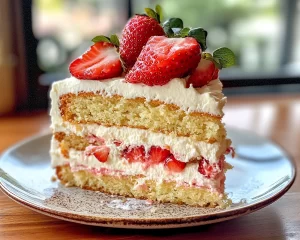
Easter Lemon Ricotta Cake is a charming dessert with roots deeply embedded in Italian culinary traditions. The cake is primarily made of ricotta cheese, which contributes a moist and creamy texture that is both light and rich. The flavor profile is brightened with the addition of fresh lemon zest and juice, providing a refreshing contrast to the creaminess of the ricotta. Originating from Italy, this cake often graces tables during festive times, notably Easter, making it not just a dessert but an integral part of holiday celebrations.
The texture of the cake is wonderfully unique; it is not as dense as a traditional cheesecake, yet it is far creamier than a typical sponge cake. The beautifully golden exterior envelops a soft and slightly dense interior that beckons for a fork. Each bite bursts with the tanginess of lemon, complemented by the mild, sweet undertones of the ricotta. The marriage of these flavors makes the cake not only a delightful dessert but also a versatile option, perfect for serving with tea, coffee, or even as a light finish to a rich meal.
Why You’ll Love This
You will absolutely adore the Easter Lemon Ricotta Cake for several reasons. First and foremost, its taste is nothing short of heavenly. The bright citrus notes of lemon combined with the creamy texture of ricotta create a mouthwatering experience that encapsulates the essence of spring. You might find that your friends and family are genuinely impressed, leading to requests for the recipe that you’ll be happy to share!
In addition to its delightful flavor, this cake is incredibly easy to make. Even if you are a beginner in the kitchen, the straightforward steps will guide you through the process with confidence. Unlike elaborate desserts that require intricate techniques and multiple components, this cake comes together quickly and simply.
Moreover, it’s a budget-friendly dessert that does not skimp on quality. With just a handful of ingredients, you can craft something that feels indulgent without breaking the bank. Plus, it’s a healthier option compared to many other desserts, thanks to the protein-rich ricotta and fresh lemon juice, making each slice a smart indulgence.
Ingredients You’ll Need
- Ricotta Cheese: The star ingredient providing creaminess and moisture. You can use whole or part-skim ricotta for different richness levels.
- Fresh Lemons: For zest and juice, adding vibrant flavor. Look for organic lemons for the best aroma and taste.
- Sugar: Granulated sugar sweetens the cake. You can substitute with coconut sugar for a healthier option.
- Eggs: These act as binders and help the cake rise, contributing to the overall texture.
- Flour: All-purpose flour provides structure to the cake. For a gluten-free variation, use almond flour.
- Baking Powder: This leavening agent gives the cake its desired fluffiness.
- Vanilla Extract: Enhances the overall flavor with a subtle sweetness. Look for pure vanilla extract for the best results.
- Salt: A pinch of salt elevates the sweetness and rounds out the flavors.
How to Make
1. **Preheat the Oven:** Start by preheating your oven to 350°F (175°C). This ensures that your cake will begin baking at the right temperature, promoting even cooking. Prepare a round cake pan by greasing it lightly with butter or non-stick spray, and considering lining the bottom with parchment paper to make removal easier.
2. **Mix the Dry Ingredients:** In a medium-sized bowl, whisk together the flour, baking powder, and salt. It’s essential to ensure that these dry ingredients are well combined. This step prevents any clumps of baking powder in the cake, leading to a more even rise.
3. **Combine the Ricotta and Sugar:** In a large mixing bowl, add the ricotta cheese and granulated sugar. Mix these together using either a hand mixer or a sturdy whisk. Aim for a smooth, creamy texture while ensuring that the sugar is dissolved into the ricotta.
4. **Add Eggs and Flavoring:** Next, crack the eggs into the ricotta mixture and add the vanilla extract and freshly squeezed lemon juice. Measure the lemon zest finely, adding it directly to the mix. Blend until this mixture is smooth. This process should take only a minute or so but will give you a flavor-packed base.
5. **Incorporate Dry Ingredients:** Gradually fold the dry ingredient mix into the ricotta mixture. Use a silicone spatula or wooden spoon for this. Make sure not to overwork the batter; mixing just until combined will keep the cake light and airy.
6. **Pour the Batter into the Pan:** Transfer the batter into your prepared cake pan and smooth the top with a spatula. The batter will have a slightly thick consistency. Tap the pan gently against the counter to release any trapped air bubbles.
7. **Bake the Cake:** Place the cake in the preheated oven and bake for about 45 minutes or until the top is golden brown and a toothpick inserted in the center comes out clean. This step is crucial for achieving the correct doneness, so keep an eye on the cake in the last few minutes of baking.
8. **Cool the Cake:** Once baked, remove the cake from the oven and let it cool in the pan for about 10 minutes. Then, carefully turn it out onto a wire rack to cool completely. This cooling process is important, as it allows the cake to set, making it easier to slice later.
9. **Serve and Enjoy:** Slice the cake and serve it with a dusting of powdered sugar or a dollop of whipped cream and fresh berries. This cake shines on its own but can be dressed up with toppings for an extra touch of decadence.
Variations & Substitutions
Gluten-Free Variation: If you’re following a gluten-free diet, simply swap the all-purpose flour for an equal amount of almond flour or a gluten-free flour blend. This substitution not only keeps the cake gluten-free but also adds a slightly nutty flavor that complements the lemon zest beautifully. Be sure to adjust the baking time as needed, as gluten-free flours can sometimes bake a bit faster.
Berry-Lemon Ricotta Cake: For those who crave a fruity twist, consider adding a cup of fresh berries like blueberries or raspberries to the batter. This addition not only brightens the color of the cake but also adds an extra layer of texture and flavor. Just fold them in gently to prevent them from bursting. If you’re using frozen berries, make sure to thaw and drain them first to avoid excess moisture in the cake.
Lemon Almond Ricotta Cake: To add a nutty flavor profile, you can replace a part of the ricotta cheese with almond ricotta. This substitution enhances the overall richness and gives the cake a unique viewpoint. However, keep in mind that the flavor will be slightly more almond-forward, but it still pairs perfectly with lemon.
Sugar-Free Version: If you’re looking for a sugar-free option, consider using a sugar substitute like erythritol or stevia. Make sure to use a conversion chart, as different sugars have different sweetness levels. While the cake may vary slightly in texture and flavor, it will still deliver that refreshing lemon taste.
Common Mistakes to Avoid
A common mistake when making Easter Lemon Ricotta Cake is overmixing the batter. Overmixing can lead to a dense and tough cake instead of the airy texture you desire. Always mix just until the ingredients are combined for the best result.
Another pitfall is not measuring your ingredients accurately. Using either too much flour or too little ricotta can drastically change the texture and moisture of the cake. It’s always good practice to use weight measurements for the most precision, especially when baking.
Lastly, ensure that you allow the cake to cool properly. Cutting into a cake that hasn’t fully cooled can affect the structural integrity, leading to crumbling or mushiness. Patience during this part of the process pays off with a beautifully presented cake.
Storage, Freezing & Reheating Tips
Storing your Easter Lemon Ricotta Cake properly is key to maintaining its flavor and texture. If you have leftovers, place them in an airtight container and store them in the refrigerator. This should allow the cake to remain fresh for up to four days. You can also cover it with plastic wrap or parchment paper to prevent it from drying out.
If you want to enjoy this cake later, consider freezing it. First, allow the cake to cool completely. Wrap it tightly in plastic wrap, then aluminum foil to prevent freezer burn. It can be stored in the freezer for up to three months. To reheat, let it thaw overnight in the refrigerator and bring it to room temperature before serving. A quick zap in the microwave for a few seconds can also refresh its flavor.
For food safety best practices, remember that ricotta cheese is a perishable item, so handle it carefully. Always check for signs of spoilage when using ricotta, and never leave the cake out for extended periods.
Frequently Asked Questions
Can I make this cake ahead of time?
Absolutely! This cake can be made a day in advance. In fact, many people find that the flavors deepen the longer it sits, making it even more delicious. Just store it in the refrigerator after it’s cooled completely to keep it fresh.
What can I serve with the Easter Lemon Ricotta Cake?
This cake pairs beautifully with a variety of accompaniments. Consider serving it with a dollop of fresh whipped cream, a scoop of vanilla ice cream, or even a fresh fruit compote. The tartness of the lemon harmonizes wonderfully with the creaminess of these toppings.
Can I use low-fat ricotta cheese?
Yes, low-fat ricotta can be used as a substitute. However, keep in mind that this may slightly change the texture of the cake, making it less rich. It’s still a delicious option for those looking to lighten their dessert.
Is it possible to use flavored extracts instead of vanilla?
Definitely! You can experiment with other extracts, like almond or lemon, to give a unique twist to your cake. Just ensure that you balance the flavors as some extracts can be quite potent.
How can I tell when my cake is done baking?
The best way to check if your cake is done is by inserting a toothpick in the center. If it comes out clean or with a few moist crumbs (not wet batter), your cake is ready! You can also gently touch the top of the cake; it should spring back when it’s fully baked.
Conclusion:
The Easter Lemon Ricotta Cake is truly a dessert that brings not only sweetness but also a sense of joy and celebration. Its unique blend of flavors and textures makes it a perfect choice for various occasions, whether it’s a holiday gathering or a simple weekend treat. With a few easy steps and important tips, you can create a delightful masterpiece that your family and friends will love.
Don’t hesitate to try this recipe, customize it to suit your preferences, and savor the resulting flavors. Whether you are a beginner or an experienced home cook, this cake is approachable and rewarding. Go ahead, bring a piece of spring into your kitchen, and enjoy the delightful burst of lemon and creamy ricotta, one slice at a time. Happy baking!