Prep time: 30 minutes
Cook time: 20 minutes
Total time: 50 minutes
Servings: 12
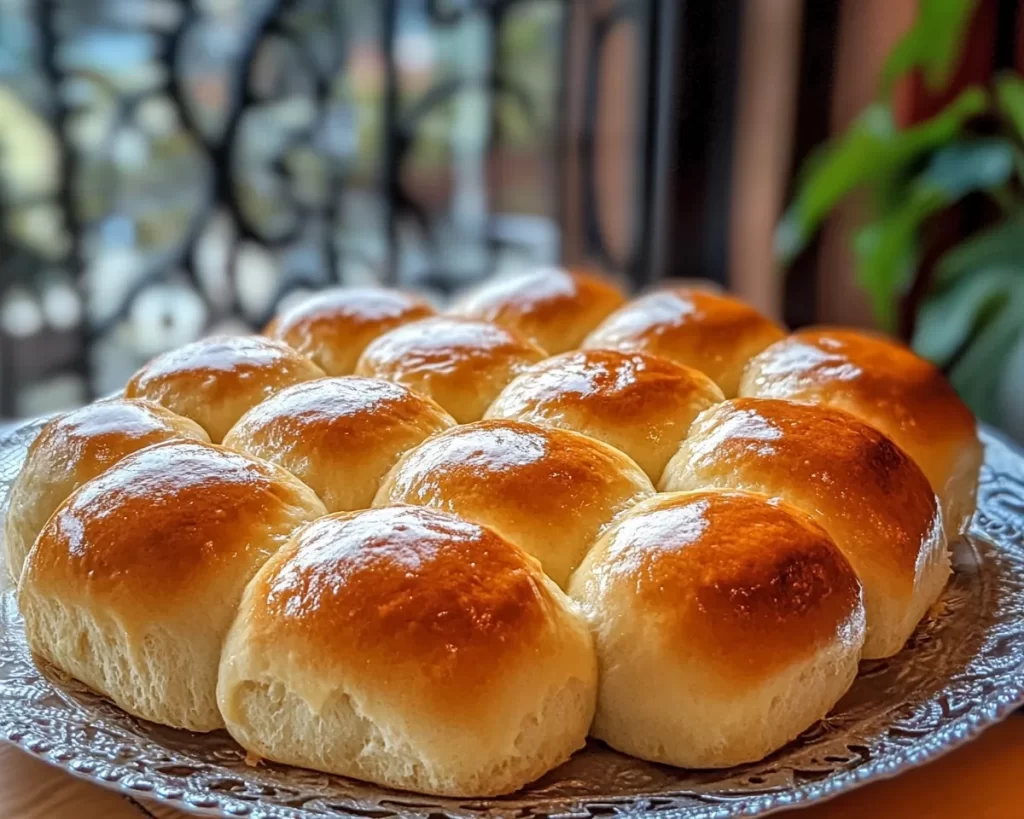
The warm, inviting aroma of freshly baked bread can make any kitchen feel like home. Imagine pulling a tray of soft and fluffy rolls out of the oven, their golden-brown tops glistening with a touch of honey butter. This is the magic of Easter Honey Butter Dinner Rolls, a recipe that brings comfort and joy to your dining table. Whether you’re hosting a family gathering or simply enjoying a quiet meal, these rolls are a must-have. They are not only delicious but also incredibly easy to make, perfect for both novice and experienced bakers.
In this recipe, you will discover how to create perfectly fluffy rolls with a light sweetness that pairs wonderfully with your favorite main dishes. The honey butter adds a rich, decadent touch that elevates these rolls from just a side dish to the star of the meal. You’ll also find tips on variations, troubleshooting common mistakes, and storage instructions, so you can enjoy these delightful rolls for days to come.
What Is Easter Honey Butter Dinner Rolls?
Easter Honey Butter Dinner Rolls are a delightful bread treat that blends a traditional soft roll with the added sweetness of honey butter. This dish is often prized for its tender texture and subtly sweet flavor, making it a perfect accompaniment to holiday dinners, especially during Easter when families come together to celebrate. The rolls are typically enriched with butter and a hint of sweetness, creating a comforting contrast against savory dishes like glazed ham or roasted vegetables.
Historically, the practice of serving soft rolls during Easter dates back to various cultural celebrations of springtime renewal, symbolizing rebirth and new beginnings. The addition of honey makes these rolls even more special, as honey has long been associated with sweetness and abundance. When you take a bite, you can expect a soft, pillowy dough that melts in your mouth, with the honey butter offering an unparalleled richness. Each roll is a small bite of heaven, both fluffy and indulgent, promising to leave you and your guests craving more.
Why You’ll Love This
There are countless reasons to fall in love with Easter Honey Butter Dinner Rolls. First and foremost, the taste is absolutely divine. The combination of a tender roll with sweet honey butter creates a harmonious balance that complements a wide variety of savory dishes. They are excellent for sopping up gravy, making your Thanksgiving turkey meal or any holiday feast feel even more satisfying.
In terms of ease, this recipe is surprisingly simple, requiring basic ingredients and active time in the kitchen that is manageable even for busy parents or beginner bakers. The ingredients are mostly pantry staples, making these rolls both economical and accessible. A common misconception is that homemade bread requires excessive knowledge or practice, but with the right guidance, anyone can achieve success. Don’t be intimidated; baking these rolls is an enjoyable culinary adventure that you can proudly share with family and friends.
Time-conscious cooks will find this recipe appealing as well. With just under an hour from start to finish, you can bake a warm batch of these rolls in no time. Their versatility is another advantage; whether you want to make them for a festive occasion, a potluck, or simply a cozy family dinner, they are the perfect choice. Their fluffy texture and delicious flavor make them a universal favorite, ensuring that they will please even the pickiest of eaters at your table.
Ingredients You’ll Need
- All-purpose flour: The foundation of your dinner rolls. This versatile flour provides the necessary gluten structure for a chewy yet soft texture. You can substitute it with bread flour for a chewier result.
- Active dry yeast: This is your leavening agent. Ensure it’s fresh for optimal rise. If you prefer, you can use instant yeast.
- Warm milk: Together with yeast, it helps activate the leavening process. You can also use almond milk for a dairy-free version.
- Granulated sugar: This sweetens the dough and helps activate the yeast. Brown sugar or honey can work if you prefer a less refined sugar.
- Salt: Essential for flavor and to control yeast activity; do not skip this ingredient.
- Unsalted butter: Adds richness to the rolls; for a healthier alternative, you may use coconut oil.
- Honey: A key ingredient in both the dough and the butter; it gives a delightful sweetness and enhances flavor. Maple syrup is a good substitute.
- Egg: Acts as a binding agent, adding richness and color to the rolls. For a vegan alternative, use a flax egg.
By understanding each ingredient’s role, not only will you create excellent rolls, but you’ll also become more confident in your baking skills.
How to Make
- Activate the yeast: Begin by warming 3/4 cup of milk to a lukewarm temperature of about 110°F (43°C). Pour it into a mixing bowl and stir in 2 teaspoons of granulated sugar along with 2 1/4 teaspoons of active dry yeast. Let this mixture stand for approximately 5-10 minutes until it becomes frothy. This step is crucial as it ensures your yeast is alive and ready to help your rolls rise.
- Mix the dry ingredients: In a separate bowl, combine 4 cups of all-purpose flour, 1 teaspoon of salt, and another 2 tablespoons of sugar. Mixing these ingredients separately allows for even distribution of the salt and sugar, preventing any one dough ball from being too salty or sweet.
- Combine wet and dry ingredients: Once your yeast mixture is frothy, add 1 large egg and 1/4 cup of melted butter to this mixture. Gradually add the dry ingredients to the wet ingredients, mixing with a wooden spoon or dough hook until combined. You should get a sticky dough.
- Knead the dough: Transfer your dough onto a floured surface and knead it for about 8-10 minutes until it is smooth and elastic. This is an important step that develops gluten, giving your rolls their characteristic chew and structure. If the dough is too sticky, sprinkle a bit of extra flour as needed.
- First rise: Place the kneaded dough into a greased bowl, cover it with a clean kitchen towel, and let it rise in a warm place for about 1 hour or until it has doubled in size. This is the moment you’ll take a break and let the yeast do its work, turning the mixture into a fluffy dough.
- Shape the rolls: After the dough has risen, punch it down to release the air. Divide it into 12 equal pieces. Shape each piece into a ball by tugging the edges into the center and rolling it to create a smooth surface. Place these dough balls on a greased baking dish, ensuring they are close but not touching.
- Second rise: Cover the rolls again with a kitchen towel and let them develop again in a warm spot for about 30 minutes, or until puffy. This second rise is essential for achieving that fluffy texture.
- Bake the rolls: Preheat your oven to 350°F (175°C). Once your rolls have risen, bake them for 15-20 minutes until they are golden brown and sound hollow when tapped on the bottom. The aroma will fill your kitchen, heightening the anticipation!
- Honey butter glaze: While the rolls are baking, melt 1/4 cup of unsalted butter and mix with 1/4 cup of honey. Once the rolls are finished baking, brush this honey butter mixture over the top of the hot rolls for added flavor and gloss.
- Serve warm: Allow the rolls to cool slightly before serving. They are best enjoyed warm, perhaps alongside a spread of additional honey butter or whipped cream cheese.
These soft and flavorful dinner rolls are sure to be a hit at your table. The baking process may take some time, but the reward is more than worth it. Embrace the scents of the yeast, the sweet honey, and the soft butter as they fill your kitchen.
Variations & Substitutions
Whole Wheat Variation: If you want to make your rolls a bit healthier, try using 2 cups of whole wheat flour coupled with 2 cups of all-purpose flour. This substitution will give your rolls a nuttier flavor and a denser texture while still maintaining a fluffy quality. Remember, whole wheat flour absorbs more liquid, so you may need to increase the warm milk slightly until the dough reaches the right consistency.
Herbed Dinner Rolls: For a savory twist, consider adding fresh herbs such as rosemary or thyme into your dough before the first rise. Simply chop about 1/4 cup of fresh herbs and fold them in during the mixing stage. The aromatic quality of the herbs will add an exciting flair and elevate your rolls, making them an extraordinary side to accompany roasted meats or salads.
Cinnamon Honey Butter Rolls: For an added layer of flavor, consider swirling a mixture of cinnamon and sugar into your dough before shaping the rolls. Combine 1/4 cup of sugar with 1 tablespoon of cinnamon, sprinkle generously over the flattened dough, then roll it up tightly before slicing into individual portions. This variation will transform your rolls into delightful cinnamon rolls that pair perfectly with coffee or tea.
Gluten-Free Rolls: If you’re working with gluten sensitivities, you can substitute the all-purpose flour with a high-quality gluten-free flour blend. Ensure the blend contains xanthan gum to mimic the chemical structure of gluten and help provide structure to your rolls. Additionally, adjust the milk and butter content as necessary to achieve the desired dough consistency.
Sweet Potato Honey Butter Rolls: For an intriguing flavor and vibrant color, integrate 1 cup of mashed cooked sweet potato into your dough. This not only adds sweetness but also improves the nutritional value by providing vitamins and fiber. The resulting rolls will have a delightful hue and a slightly sweet taste that can pair beautifully with any meal.
In each variation, the core recipe remains, but you have the freedom to explore and customize flavors to better suit your preferences and dietary needs.
Common Mistakes to Avoid
When baking Easter Honey Butter Dinner Rolls, there are a few common pitfalls to watch out for. First, ensure that your yeast is fresh; expired yeast will not rise, resulting in dense and heavy rolls. To remedy this, always check the expiration date and store yeast in a cool, dry place. Sometimes, novice bakers fail to activate the yeast correctly. Remember, the yeast should bubble and froth when mixed with warm water and sugar; if it doesn’t, start over.
Another common mistake is not kneading the dough adequately. Kneading is a critical step in developing gluten, which gives bread its structure and chewiness. Failing to knead for the right amount of time can lead to flat and unappealing rolls. Similarly, avoid skipping the rise times; if you rush this process, you may end up with dense and doughy rolls. Insufficient time for the dough to rise will rob your rolls of their fluffy texture.
Lastly, be mindful of baking times. Each oven is different, so start checking your rolls a few minutes before the suggested baking time. They should be golden brown and sound hollow when tapped on the bottom. Baking them too long can lead to dryness, whereas underbaking them can keep them doughy in the center.
Storage, Freezing & Reheating Tips
When it comes to storing your Easter Honey Butter Dinner Rolls, keeping them fresh is essential for maintaining their delightful texture. To store them at room temperature, place your rolls in an airtight container or wrap them in foil. They will stay fresh for up to three days. If you want to keep them for a longer period, consider freezing them.
To freeze your rolls, allow them to cool completely. Then place them in a freezer-safe bag or container, ensuring there’s minimal air to prevent freezer burn. They can be frozen for up to three months. To reheat, simply pull out the desired number of rolls and allow them to thaw at room temperature. You can warm them in the oven at 350°F (175°C) for about 10 minutes or until heated through. Brushing them with a little bit of honey butter before reheating will revive that fresh-baked flavor and aroma.
When reheating from frozen, allow for slightly longer baking time, around 15-20 minutes, checking to ensure they are heated through. Always err on the side of caution, ensuring that the middle is warm.
Additionally, food safety is critical. Ensure that any rolls left out on the counter do not exceed two hours in temperature, as this can lead to bacterial growth. When storing leftovers, remember to keep them sealed and refrigerate if you haven’t consumed them within that timeframe.
Frequently Asked Questions
Can I use whole wheat flour instead of all-purpose flour?
You can indeed substitute whole wheat flour for all-purpose flour in this recipe. It’s important to note that whole wheat flour absorbs more liquid, so you may need to adjust the amount of wet ingredients accordingly. The rolls will have a slightly denser texture but will still be delicious.
How can I make these rolls vegan?
To make vegan Easter Honey Butter Dinner Rolls, substitute the egg with a flax egg (1 tablespoon of ground flaxseed mixed with 3 tablespoons of water) and replace the milk with a non-dairy alternative. Use coconut oil instead of butter for the dough, and modify the honey with maple syrup for the glaze to maintain that sweet flavor.
What can I serve with these rolls?
Easter Honey Butter Dinner Rolls are incredibly versatile and pair well with a variety of dishes. They complement glazed ham, roasted vegetables, and savory stews beautifully. Serve them alongside salads, soups, or as a delightful addition to brunch spreads for a touch of decadence.
Can I prepare the dough the night before?
Yes, you can definitely prepare the dough ahead of time. After kneading, place it in an oiled bowl, cover it tightly with plastic wrap, and refrigerate it. The next day, allow it to come to room temperature before rolling and rising. This method can deepen the flavor of your rolls remarkably.
Why are my rolls dense?
Dense rolls often occur due to insufficient rising time, using expired yeast, or inadequate kneading. Always ensure your yeast is fresh and activated before adding it to the dough. Make sure to allow proper rising times for both the first and second rises, and knead the dough thoroughly to create a good gluten structure.
Conclusion:
Easter Honey Butter Dinner Rolls are an enchanting addition to any meal, blending sweet flavors with a soft, comforting texture. They are not just a side dish but a cherished treat that can easily elevate your dining experience. Try making this recipe for your next special occasion, and feel free to customize it to your liking. You may also want to expand beyond the recipe by experimenting with flavors and textures. Share with friends and family, and enjoy the smiles and warmth these rolls bring to your table. Happy baking!