Prep time: 15 minutes
Cook time: 15 minutes
Total time: 30 minutes
Servings: 12
Easter season brings with it a sense of joy, warmth, and togetherness, often represented through delightful meals shared among family and friends. One dish that stands out during this festive occasion is the classic Easter Deviled Eggs. These little bites of creamy goodness not only evoke a sense of nostalgia but also bring flavor and flair to any gathering. As a busy parent or someone who appreciates hassle-free recipes, you’ll find this classic deviled egg recipe easy to prepare, fun to customize, and absolutely delicious.
In this article, you will learn everything you need to make these mouthwatering deviled eggs. Whether it’s perfecting the creamy filling or exploring variations, by the end, you’ll be thrilled to add this dish to your repertoire.
What Is Easter Deviled Eggs Classic Style?
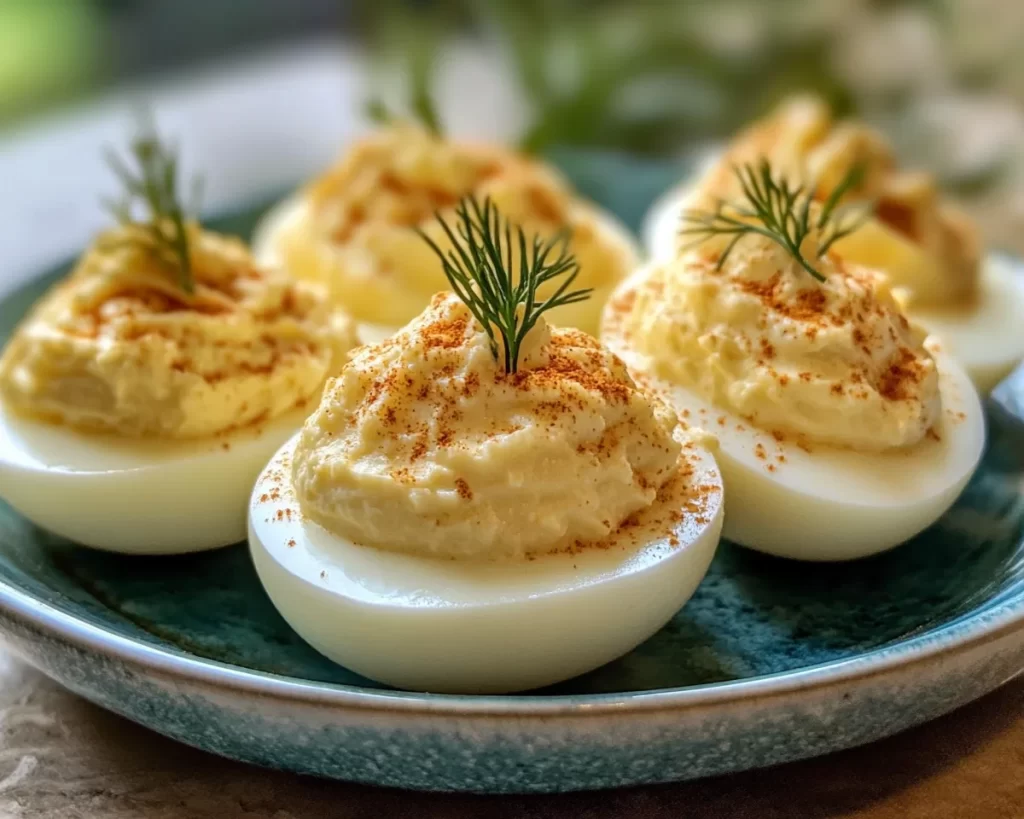
Easter Deviled Eggs Classic Style are a traditional dish that often graces dining tables around Easter, symbolizing rebirth and renewal. This dish features hard-boiled eggs that are cooked to perfection, their yolks removed and mixed with creamy ingredients to create a smooth and flavorful filling. The texture of a great deviled egg is both creamy and firm, providing that satisfying bite that so many love.
The primary flavors in classic deviled eggs typically include mayonnaise, mustard, and a dash of salt. These ingredients work in harmony to deliver a bright and tangy flavor profile. Additionally, you can incorporate spices or toppings like paprika or fresh herbs to elevate the taste. A well-prepared deviled egg strikes a perfect balance between the richness of the yolk and the tang of the seasonings, an irresistible combination that makes it a favorite among guests of all ages.
This celebrated recipe has origins that date back centuries, and it has evolved over time to embrace various flavor profiles and dietary preferences. The classic version remains a timeless favorite, known for its simplicity and deliciousness.
Why You’ll Love This
You’ll love this recipe for several reasons. First and foremost, the **taste** is simply addictive. The combination of **creamy yolk filling** with a touch of tartness from mustard creates a delightful contrast. Plus, the smooth texture coupled with a sprinkle of paprika or fresh herbs adds visual appeal, making them as pleasing to the eye as they are to the palate.
Ease of preparation is another compelling reason to embrace this deviled egg recipe. With just a few ingredients and minimal cooking skills, even beginners in the kitchen can produce satisfying results. Additionally, this dish is economical; eggs are a cost-effective protein source, making it a suitable choice for those on a budget.
Perhaps your guests or family members have dietary restrictions. The versatility of deviled eggs allows you to create variations that cater to different tastes, such as using light mayonnaise or substituting sour cream for a tangier filling. This flexibility means that no one will miss out on the joy of deviled eggs during the Easter celebrations.
Finally, many home cooks face misconceptions when preparing deviled eggs, particularly around overcooking the eggs or not preparing the filling correctly. Many assume that achieving perfect deviled eggs is challenging, but with proper techniques, anyone can succeed!
Ingredients You’ll Need
- Large Eggs: The star ingredient; use fresh, high-quality eggs for the best flavor and texture.
- Mayonnaise: This adds creaminess and richness; consider using full-fat for a traditional taste or a light alternative for a healthier version.
- Yellow Mustard: For that tangy flavor that complements the richness of the yolk.
- Salt: Enhances flavors; a small pinch goes a long way.
- Black Pepper: Adds a hint of spice and complexity to the flavor; freshly ground is always preferred.
- Paprika: Not only adds color but also a smoky undertone; feel free to use smoked paprika for added depth.
- Fresh Herbs: Optional, but fresh chives or dill can bring a burst of freshness that elevates the dish.
Choosing the right ingredients is crucial for achieving the best results. For example, the type of mayonnaise you use can significantly affect the taste and creaminess of the filling. Using a quality brand can be the difference between a good recipe and a truly delightful one.
How to Make
- Start by boiling the eggs. Place them in a pot, cover with cold water, and bring to a boil over medium heat. Once boiling, cover the pot and remove it from the heat. Let them sit for about 12-14 minutes. This method prevents the eggs from overcooking, yielding a tender texture and a creamy yolk.
- After the eggs have rested, transfer them to an ice bath. This not only stops the cooking process but also makes peeling them easier. Leave the eggs in the ice bath for about 5-10 minutes until fully cooled.
- Once cooled, gently tap the eggs on a hard surface and peel them under running water to help remove the shell easily. Cut each egg in half lengthwise and carefully remove the yolks, placing them in a mixing bowl. The whites can be arranged on a serving platter.
- With the yolks in the bowl, add mayonnaise, yellow mustard, salt, and pepper. Using a fork or a whisk, blend the mixture until it’s smooth and creamy. Ensure there are no lumps for the best texture. Taste the filling as you mix to adjust seasoning according to your preference.
- Using a piping bag or a simple spoon, fill each egg white half with the creamy yolk mixture. This adds a professional touch to your presentation, making the deviled eggs visually appealing.
- Finally, sprinkle paprika over the filled eggs for that classic touch. If you’re using fresh herbs, chop them finely and garnish the eggs just before serving. This adds a pop of color and flavor, enhancing the overall experience.
These step-by-step instructions ensure that your deviled eggs come out perfectly every time. Take your time—cooking should be fun and enjoyable!
Variations & Substitutions
Spicy Deviled Eggs: If you’re looking to add a kick to your deviled eggs, consider incorporating sriracha or hot sauce into the yolk mixture. This variation caters to those who enjoy a bit of heat in their dishes. You can start with just a teaspoon of sriracha and increase it according to your heat preference. The creaminess of the mayonnaise blends beautifully with the spiciness, providing a delightful contrast that will leave your taste buds dancing.
Herbed Deviled Eggs: If you’re a fan of fresh flavors, adding finely chopped herbs can transform your classic deviled eggs into a refreshing dish. Dill, chives, or parsley work well. This variation is perfect for spring gatherings and pairs wonderfully with the traditional rich flavors of the yolk. Simply fold in the herbs after mixing the filling, and be generous! The fresh notes will truly elevate your deviled eggs.
Avocado Deviled Eggs: For a healthier alternative, try using mashed avocado instead of mayonnaise! This twist not only adds a delightful creaminess but also infuses healthy fats into the dish. Blend ripe avocado with the yolks, lime juice, and seasonings for a unique take. This version is great for health-conscious individuals or those who appreciate a vibrant flavor change.
Smoked Salmon Deviled Eggs: For an elegant touch, consider adding chopped smoked salmon to your filling. This variation pairs indulgently with cream cheese, transforming your classic recipe into a sophisticated appetizer. The smoky, rich flavors work in tandem with the yolk mixture, offering a luxurious experience perfect for any festive occasion.
Each variation opens a new door of flavors and allows you to cater to different dietary preferences, making these deviled eggs not just a treat—but a standout dish at any gathering!
Common Mistakes to Avoid
When making deviled eggs, it’s crucial to avoid overcooking the eggs. Overcooked eggs often develop a rubbery texture and can create a green ring around the yolk due to a reaction between the yolk and sulfur in the egg white. To combat this, be sure to follow the timing carefully and place the cooked eggs in an ice bath immediately after boiling. This not only prevents overcooking but also eases the peeling process.
Another common mistake is the filling being too dry. A deviled egg filling should be creamy, not crumbly. Ensure you add enough mayonnaise or another creamy ingredient to achieve this texture. If your filling is too thick, a splash of vinegar or lemon juice can help thin it out while also enhancing the flavor.
Finally, when it comes to seasoning, don’t shy away from adjusting the flavor balance to your liking. Many cooks skip tasting the filling before piping it into the egg whites, leading to under-seasoned deviled eggs. Always taste as you go, so you can adjust salt, pepper, or mustard according to your preference.
Storage, Freezing & Reheating Tips
Storing deviled eggs appropriately is key to enjoying them at their best. They can be kept in the refrigerator for up to 2 days if stored in an airtight container. To prevent the egg whites from drying out, cover them with plastic wrap if they are not already filled or place them in a sealed container with a slightly damp paper towel.
Freezing deviled eggs is not recommended, as the texture can become compromised when thawed. However, you can prepare the filling ahead of time and store it separately in the refrigerator for up to 2 days. When you’re ready to serve, simply fill the egg whites and enjoy!
When reheating is necessary, remember that deviled eggs are best served chilled. Instead of reheating, take them out of the fridge to let them come to room temperature, which will enhance the flavors and textures.
Frequently Asked Questions
How do I hard boil eggs perfectly?
To achieve perfect hard-boiled eggs, start with eggs that are a few days old, as they’re easier to peel. Place them in a saucepan, cover them with cold water, and bring to a rolling boil. After boiling, turn off the heat, cover the saucepan, and let them sit for about 12-14 minutes. Finishing with an ice bath will ensure easy peeling.
Can I make deviled eggs ahead of time?
Absolutely! You can make deviled eggs ahead of time. Prepare the filling and keep it refrigerated in an airtight container for up to 2 days. Although you can fill the whites a few hours before serving, it’s best to fill them just before guests arrive to maintain freshness and presentation.
What is the best way to peel boiled eggs?
Peeling boiled eggs can be tricky. For easier peeling, follow the ice bath method after boiling. Cracking the shell gently on all sides and rolling it on a countertop can also help loosen the membrane from the egg white, making peeling easier.
Can I use different types of mustard?
Yes! While yellow mustard is traditional, feel free to experiment with Dijon or spicy brown mustard. Each type offers a different flavor profile, allowing you to customize the deviled eggs to suit your taste.
What can I do to make my deviled eggs more visually appealing?
Visual appeal can be enhanced by using a piping bag to fill the egg whites with the yolk mixture. Additionally, garnishing with fresh herbs, a sprinkle of paprika, or even small pieces of pickles or olives adds texture and color that catches the eye.
Conclusion:
In summary, these classic Easter Deviled Eggs are not only a crowd-pleaser but also an enjoyable cooking experience. With their creamy filling and tantalizing flavors, they are sure to become a favorite at your gatherings. Don’t hesitate to experiment with variations to make them your own—personal touches can turn this classic dish into a signature recipe that your loved ones will adore. So grab your apron, start boiling those eggs, and get ready for an unforgettable culinary adventure! Let your creativity shine, and enjoy these delightful bites, sharing them with friends and family this Easter!