Prep time: 30 minutes
Cook time: 45 minutes
Total time: 1 hour 15 minutes
Servings: 12
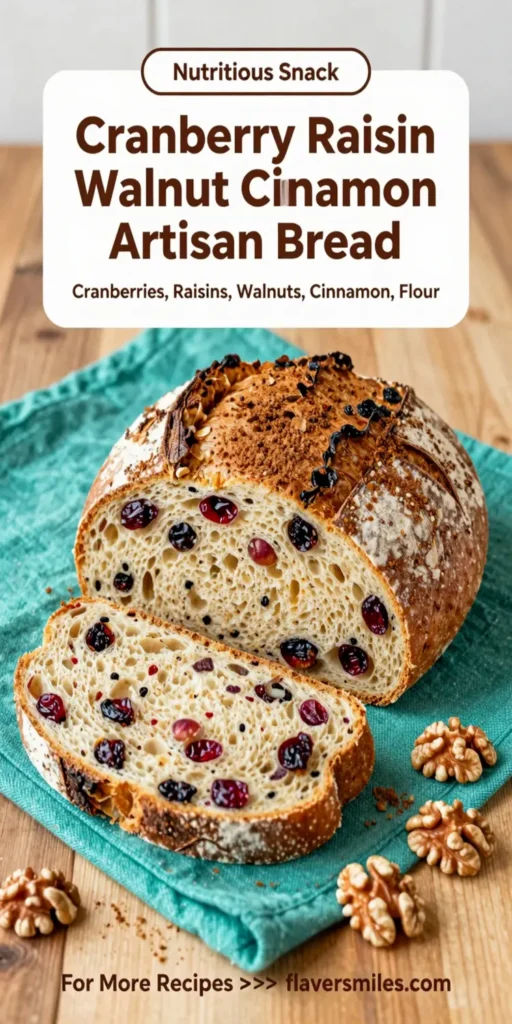
Cranberry Raisin Walnut Cinnamon Artisan Bread is a delightful baking project that brings together the best of seasonal flavors and wholesome ingredients. This artisanal bread is perfect for holidays, gatherings, or simply as a treat for yourself and your family. The combination of dried cranberries, raisins, and walnuts creates a sweet and nutty profile, while the warm spice of cinnamon makes it absolutely irresistible. Whether you’re a seasoned baker or a novice in the kitchen, this recipe will guide you step-by-step to create a stunning loaf that’s as beautiful to present as it is delicious to eat.
What Is Cranberry Raisin Walnut Cinnamon Artisan Bread?
This specialty bread isn’t just about the ingredients; it’s about the experience of making it. Artisan bread usually refers to a traditional baking style that emphasizes natural flavors, rustic appearance, and a love for handcrafted food. In this case, dried cranberries and raisins pair wonderfully with crunchy walnuts, all enveloped in a comforting, cinnamon-kissed dough. The result is a loaf that has a lovely, chewy crust, a soft interior, and a scrumptious flavor profile that is both sweet and nutty.
Why You’ll Love This
There are numerous reasons to fall deeply in love with this **Cranberry Raisin Walnut Cinnamon Artisan Bread**. First, the moment you take it out of the oven, your kitchen will be filled with a warm, inviting aroma that beckons everyone to gather around. The combination of flavors not only serves as an exceptional breakfast option but also makes for a delightful afternoon snack or a sweet addition to any holiday table. Plus, making bread at home can be incredibly satisfying, and this recipe provides an excellent introduction to artisan baking without being overly complicated.
Ingredients You’ll Need
- 3 ½ cups all-purpose flour: The main ingredient that forms the structure of your bread. It provides a light but stable base.
- 1 cup warm water: Activated yeast needs warm water to rise properly, which is crucial for developing the dough.
- 1 packet (2 ¼ teaspoons) active dry yeast: This is the magic that makes your bread rise and becomes fluffy and airy when baked.
- ¼ cup granulated sugar: Provides just the right amount of sweetness to complement the fruits and walnuts.
- 1 teaspoon salt: Essential for flavor; it enhances the overall taste of the bread.
- 1 tablespoon ground cinnamon: Adds warmth and depth; cinnamon marries beautifully with the sweetness of the fruit.
- ½ cup dried cranberries: Offers a tart, chewy contrast that brightens the bread’s sweetness.
- ½ cup raisins: Introduces a sweet, plump element that pairs perfectly with the other ingredients.
- ½ cup walnuts, chopped: Adds crunch and a nutty richness to the bread; ensure they’re roughly chopped so they integrate well into the dough.

How to Make
- Activate the yeast: In a small bowl, combine the warm water and sugar. Sprinkle the yeast on top and wait for about 5 minutes until it becomes foamy. This indicates that the yeast is active and ready to use.
- Mix the dry ingredients: In a large mixing bowl, whisk together the flour, salt, and ground cinnamon. This ensures that the spices and salt are evenly distributed throughout the dough.
- Combine wet and dry elements: Once the yeast is foamy, pour it into the bowl with the dry mixture. Stir until combined; the dough may be sticky, but that’s perfectly fine.
- Knead the dough: Turn the dough onto a floured surface and knead for about 10 minutes until the texture is smooth and elastic. This step is crucial as it helps to develop the gluten, which will give the bread its structure.
- Incorporate the fruits and nuts: Gently fold in the chopped walnuts, cranberries, and raisins. Make sure they are evenly distributed throughout the dough without over-kneading.
- First rise: Place the kneaded dough in a lightly greased bowl, cover with a clean towel, and let it rise in a warm place for about 1 to 1.5 hours or until it doubles in size.
- Shape the loaf: Once risen, punch down the dough to release the air, then shape it into a round or oval loaf. Transfer it to a parchment-lined baking sheet.
- Second rise: Cover the shaped loaf with the towel and let it rise again for another 30-45 minutes until it has puffed up considerably.
- Bake the bread: Preheat your oven to 375°F (190°C). Bake the bread for approximately 30-35 minutes or until the crust is golden brown and sounds hollow when tapped.
- Cool before slicing: Allow the bread to cool on a wire rack. This cooling period lets the interior finish cooking and solidify its structure. Resist the temptation to cut too early!
Variations & Substitutions
Nut-Free Option: If you have nut allergies or prefer to avoid nuts, simply omit the walnuts. You can replace them with additional dried fruit or seeds like sunflower seeds for some crunch without any nuts involved.
Gluten-Free Version: For those following a gluten-free diet, you can substitute the all-purpose flour with a good quality gluten-free blend. Just make sure to check for one that includes xanthan gum, which helps to mimic gluten’s effect in baked goods.
Spice it Up: Feel free to add additional spices like nutmeg or all-spice to enhance the flavors further. A dash of vanilla extract added to the wet ingredients can also elevate the sweetness and depth of flavor.
Fruit Variations: Change the mix of dried fruits according to your preference. Chopped dried apricots or cherries can be great substitutions if cranberries or raisins aren’t your favorites.
Common Mistakes to Avoid
One of the common mistakes when baking bread is using water that’s too hot, which can kill the yeast. Always test it with your wrist; it should feel just warm, not hot.
If you rush the rising time, your bread may not reach its full potential in flavor and texture. Ensure you allow enough time for the dough to double in size for both rises; this is essential for flavor development.
Over-kneading can lead to dense bread. You’re looking for a smooth, elastic dough; knead just until you’ve achieved that consistency.
And finally, don’t skip the cooling process. If you slice the bread while it’s still warm, it can become gummy instead of yielding that beautifully soft texture we all love.
Storage, Freezing & Reheating Tips
Once your bread is fully cooled, it’s important to store it correctly to retain freshness. Wrap it in plastic wrap or place it in a bread bag at room temperature for up to 3 days.
For longer storage, you can freeze the bread. Slice it before freezing for easier access. Wrap the slices in plastic wrap, then place them in a freezer-safe bag. It will last up to 3 months in the freezer. When ready to enjoy, simply toast the slices straight from the freezer.
If you have leftovers, simply reheat them in a toaster oven or regular oven until warmed through, which will refresh the flavor and texture wonderfully.
Frequently Asked Questions
Can I use fresh fruits instead of dried fruits?
While it’s possible, fresh fruits retain moisture and can change the texture of the bread. Dried fruits offer a concentrated sweetness and don’t add excess moisture, which is crucial for the proper rise and crust development of the bread.
How do I know when my bread is done baking?
The bread is done when it has a golden-brown crust and sounds hollow when tapped on the bottom. Additionally, you can insert a thermometer into the center; it should read around 190°F (88°C).
What’s the best way to slice artisan bread?
A serrated bread knife works best for slicing artisan bread, as it creates clean cuts without crushing the loaf. Allowing the bread to cool properly will also make slicing easier.
Can I make this bread without added sugar?
Though sugar contributes to browning and flavor, you can reduce the amount or substitute it with honey or maple syrup for a different sweetness. Just make sure to adjust your liquid ingredients accordingly if you use a liquid sweetener.
How can I make this bread more spiced?
If you enjoy a more robust spice flavor, consider increasing the amount of cinnamon or combining it with nutmeg or ginger. Spice preference is personal, so feel free to adjust to your taste!
Conclusion:
Cranberry Raisin Walnut Cinnamon Artisan Bread is much more than just a recipe; it’s an invitation to slow down and enjoy the art of baking. With a beautiful mix of flavors and the enticing aroma that fills your kitchen, this bread will surely delight your senses and satisfy your cravings. Whether enjoyed fresh from the oven or toasted with your favorite spread, each slice is a little piece of joy. Embrace the warmth and love that homemade bread brings, and enjoy every bite!