Prep time: 15 minutes
Cook time: 40 minutes
Total time: 55 minutes
Servings: 4
Everyone has a dish that transports them back to a wonderful memory, and for many, it’s the comforting, aromatic flavors of butter chicken. Imagine creamy tomato sauce enveloping tender chicken, with spices that dance in harmony—it’s more than just food; it’s a celebration of flavors that can turn a simple meal into a special occasion. This recipe for creating restaurant-worthy butter chicken with simple recipes allows even those new to the kitchen to achieve remarkable results. You’ll learn about the essential ingredients that contribute to its flavor, step-by-step instructions for crafting the dish, and variations to cater to different dietary preferences or taste profiles.
Cooking should be enjoyable and rewarding, and this butter chicken recipe takes away the complications. If you’ve ever thought that achieving the same taste experience as your favorite Indian restaurant is beyond your reach, think again. This easily accessible recipe not only delivers a delicious outcome but also gives you the confidence to bring a little piece of culinary magic into your home.
What Is Can You Make Restaurant-Worthy Butter Chicken With Simple Recipes?
Butter chicken, or *murgh makhani*, has its roots in Indian cuisine, particularly from the northern regions. This rich and creamy dish is characterized by its unique blend of spices, particularly garam masala and turmeric, which provide warmth and depth of flavor. The chicken is typically marinated for deeper taste and tenderness, then simmered in a luscious sauce made from pureed tomatoes, cream, and aromatic spices.
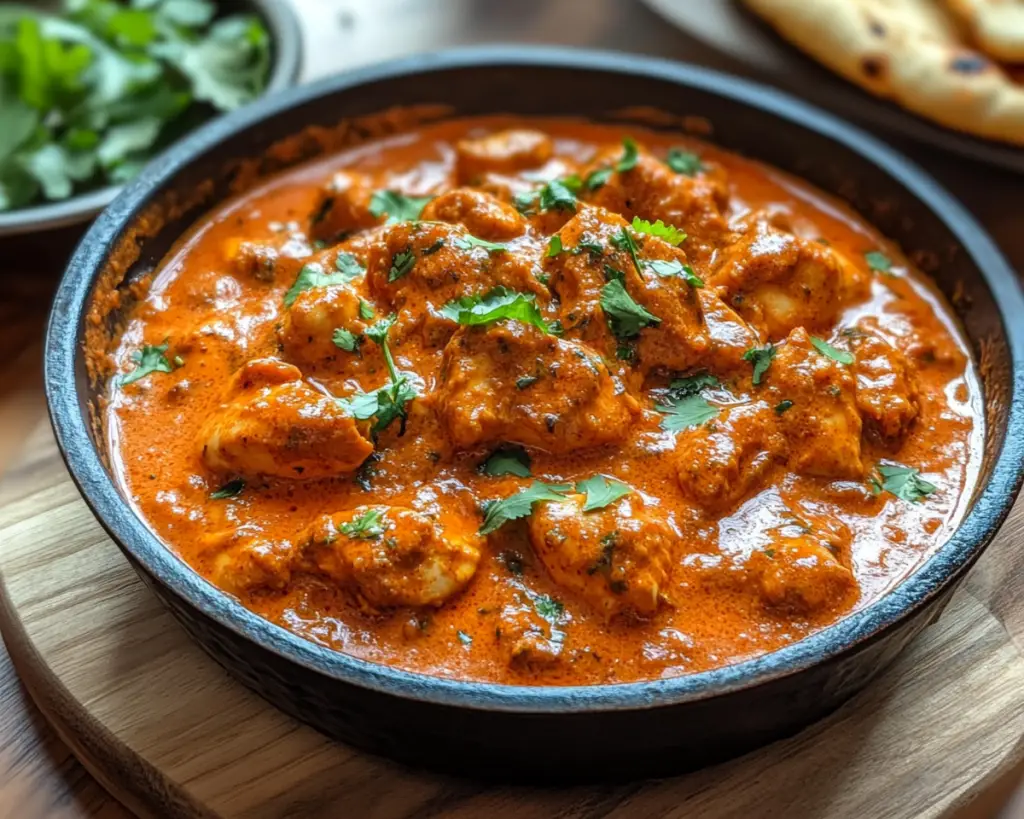
The texture of butter chicken is creamy yet light, with a heavenly balance of savory, tangy, and mildly sweet notes. Every spoonful presents an equally delightful experience of spices harmonizing beautifully with the *butter* and cream. The vibrant red-orange hue of the sauce is as inviting as its flavor—serving butter chicken can instantly elevate any dinner table. It’s a dish that finds popularity around the world, beloved for its comforting yet sophisticated essence.
Understanding its origin and the culinary influences helps appreciate this dish further. With many variations across regions, you’ll often find butter chicken paired with naan or rice, making it a versatile choice for any meal.
Why You’ll Love This
You’ll fall head over heels for this butter chicken recipe due to its incredible **taste**! The combination of spices offers a depth that is hard to resist, while the creamy sauce brings a comforting richness. Preparing this dish at home can also be surprisingly easy and cost-effective, compared to dining out.
The **health benefits** cannot be overlooked either. When you make butter chicken at home, you have control over the ingredients, offering a healthier alternative to many restaurant versions that may contain high levels of sodium or preservatives. This customizable aspect clarifies common misconceptions; this is definitely not a dish reserved only for special occasions. It can easily become a part of your regular meal rotation that everyone will love.
Moreover, it’s incredibly versatile. You can serve it as a fulfilling weeknight dish for busy parents or even as something special when entertaining guests. With this recipe, you’re not just following instructions; you’re creating an experience that delights the senses and warms the heart.
Ingredients You’ll Need
- Chicken (boneless, skinless thighs or breast): Chicken thighs are preferred for tenderness and flavor, but breasts are a healthier option. Feel free to substitute with tofu or paneer for a vegetarian version.
- Yogurt: Used for marinating, it tenderizes the chicken and adds tanginess. Greek yogurt is a great substitute if you need something thicker.
- Garam masala: A crucial spice blend that gives the dish its distinctive flavor profile. If you can’t find it, a mixture of cumin, coriander, and cinnamon can work in a pinch.
- Tomatoes (crushed or pureed): They serve as the base for the sauce, providing acidity and sweetness. Fresh tomatoes can be used, but canned varieties save time.
- Cream: Contributes to the creamy texture; opt for heavy cream for richness or coconut cream for a dairy-free alternative.
- Onion: Adds sweetness and depth to the sauce. A yellow onion is best, but shallots can be used as well.
- Garlic and ginger: Essential for flavor, they add fragrance and zest. Using fresh is preferred, but powdered versions can work too.
- Butter: True to its name, butter enriches the sauce and adds a velvety finish.
- Spices (cumin, coriander, turmeric, red chili powder): A blend that builds layers of flavor and can be adjusted from mild to hot according to your taste.
- Fresh cilantro: Provides a finishing touch for garnish and a fresh burst of flavor.
Each ingredient plays a vital role in the overall flavor and texture of the dish. If you’re not keen on one component, a variety of substitutes are available that can still yield delicious results.
How to Make
- Marinate the chicken: Begin by cutting your chicken into bite-sized pieces. In a mixing bowl, combine yogurt, half of the garam masala, turmeric, cumin, coriander, and chili powder. Add salt to taste. Coat the chicken pieces thoroughly in this marinade. Cover and refrigerate for at least 30 minutes; longer marination (even overnight) allows the flavors to penetrate more effectively.
- Prepare the sauce: In a large skillet over medium heat, melt 2 tablespoons of butter. Once melted, add diced onions and sauté until they become soft and translucent, about 5-7 minutes. Next, incorporate minced garlic and ginger, allowing them to cook for an additional minute—watch that they don’t burn.
- Cook the chicken: After marinating, add the chicken pieces to the skillet. Do not overcrowd; cook in batches if necessary. Sear the chicken until it’s brown on the outside but still uncooked inside, around 5-7 minutes. This step adds a beautiful layer of flavor that is hard to replicate.
- Add tomatoes and spices: Pour in the crushed tomatoes along with the remaining garam masala, cumin, coriander, and salt. Stir to combine all ingredients well. Allow the mixture to simmer on low heat, letting the chicken absorb the rich, vibrant aromas—this should take about 15-20 minutes.
- Create the creamy texture: Once the chicken is cooked through (you can check for doneness with a meat thermometer to ensure internal temperatures reach 165°F), you can proceed to add the heavy cream. Stir it in gently until everything is combined and the sauce has a velvety finish. Let it simmer for another 5 minutes, allowing those flavors to meld beautifully.
- Final touches: Before serving, adjust seasoning and add fresh cilantro for brightness and color. A dash of lime or lemon juice can elevate the flavor beautifully. Serve your butter chicken with warm naan, rice, or your favorite sides, and enjoy every bite!
Being detail-oriented is key in cooking, especially when preparing a complex dish like this. Be sure to follow the steps closely, taking the time to appreciate the aromas and textures as you progress.
Variations & Substitutions
Vegetarian Butter Chicken: Creating a vegetarian version is simple yet equally fulfilling. By substituting the chicken with paneer or chickpeas, you maintain the hearty nature of the dish. The cooking process remains mostly the same; just be cautious not to overcook paneer as it can become rubbery. This version appeals to vegetarians and offers a good source of protein while retaining all the fantastic flavors.
Mild Butter Chicken: If you or your guests prefer a milder experience, you can reduce the quantity of red chili powder. Alternatively, replacing it with a hint of sweet paprika can retain the color without adding heat. This is perfect for younger palates or those sensitive to spice.
Coconut Butter Chicken: For a tropical twist, consider using coconut milk instead of heavy cream. This not only makes the dish vegan if you also replace chicken with tofu but adds a unique sweetness that can balance the spices wonderfully. Cooking it over low heat after adding coconut milk is essential to avoid separation.
Low-carb Version: You can substitute traditional flour with almond flour or omit it entirely to cater to a low-carb diet. Pairing this version with cauliflower rice can keep the dish hearty while fitting into a keto or low-carb lifestyle.
Each variation maintains the spirit of traditional butter chicken while accommodating different dietary preferences. Feel free to explore these options and find what suits your taste best!
Common Mistakes to Avoid
When making butter chicken, some common pitfalls can hinder your culinary success. One frequent mistake is rushing the marination process. Skipping this step can result in bland chicken. Remember, marinating allows the spices to infuse the chicken, creating remarkable flavor.
Another issue arises with cooking the chicken at too high a temperature. You want to ensure the outside gets a nice sear while the inside remains tender. Cooking on medium heat allows for even cooking without drying out the meat.
Lastly, adding cream too early or boiling it can lead to a *curdled texture*, which is not appealing. Aim to incorporate cream at the end, allowing it to meld gently with the other rich flavors.
Storage, Freezing & Reheating Tips
Storing butter chicken properly will help retain its delicious flavors. If you find yourself with leftovers, they can be kept in an airtight container in the fridge for up to 3-4 days. If you wish to extend the shelf life, consider freezing it. Butter chicken can be frozen for up to 3 months, but ensure you use a freezer-safe container and label it with the date.
To reheat, let the dish thaw in the refrigerator overnight if frozen. When ready to serve, gently reheat it on the stove over low heat, adding a splash of water or cream to help loosen the sauce. Aim to stir regularly to prevent sticking.
Follow food safety best practices — avoid leaving the dish out for more than 2 hours, and always ensure it’s reheated to a safe temperature of 165°F before consuming.
Frequently Asked Questions
Can I use chicken breasts instead of thighs?
Yes, you can absolutely use chicken breasts, but they might result in a drier texture compared to thighs. For the juiciest end result, keep an eye on cooking times to ensure they do not overcook.
Can I make this recipe dairy-free?
Certainly! To make the dish dairy-free, substitute yogurt and cream with coconut milk or cashew cream. This alteration will still result in a rich, creamy dish while being suitable for lactose intolerant individuals or vegans.
How do I make butter chicken spicier?
If you prefer a spicy kick, feel free to add more chili powder or even chopped green chilies. You can also experiment with increasing the amount of garam masala for a more aromatic flavor profile. Adjusting these components will yield varying levels of heat.
What can I serve with butter chicken?
The traditional accompaniments for butter chicken are naan, basmati rice, or roti; however, you can also serve it with steamed veggies or a simple salad for a lighter option. Choosing sides can enhance your dining experience.
Can I make this ahead of time?
Absolutely! In fact, many home cooks believe that butter chicken tastes even better when made a day ahead, as the flavors have more time to develop. Just reheat before serving, and it should be good to go!
Conclusion:
Creating restaurant-worthy butter chicken with simple recipes not only delivers a dish that tantalizes the taste buds, but it also empowers you in the kitchen. The beauty of this recipe lies in its adaptability; whether you’re a beginner cooking for your family or an experienced home chef looking to impress guests, it delivers on all fronts. Embrace the joy of cooking, personalize it, and don’t hesitate to experiment with different variations. If you take the plunge into this delicious culinary journey, you’ll not only end up with an impressive dish but also a lasting memory of warmth and comfort. So gather your ingredients, and get ready to savor every heavenly bite of your homemade butter chicken!