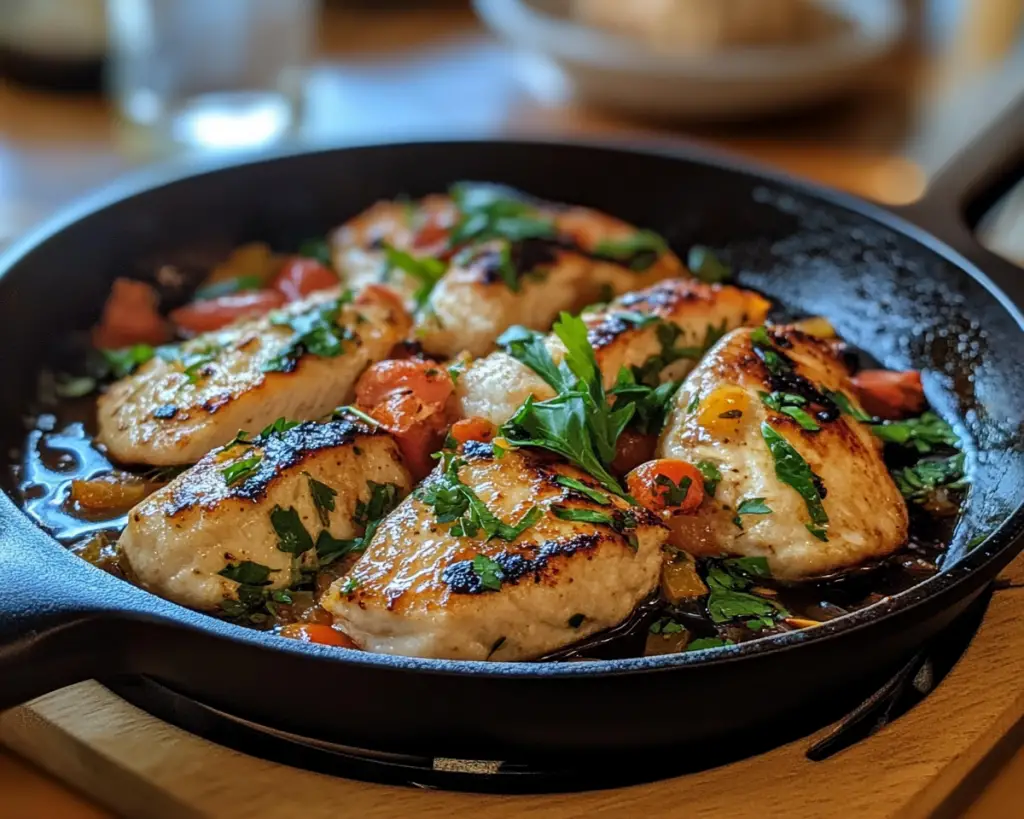
Prep time: 15 minutes
Cook time: 30 minutes
Total time: 45 minutes
Servings: 4
Making delicious family meals can sometimes feel overwhelming, especially when you are juggling a busy schedule or dealing with picky eaters. A skillet meal can be a home cook’s best ally. Imagine the aroma of fresh vegetables sizzling alongside your favorite protein, all while reducing the cleanup that often comes with more elaborate cooking. This recipe for amazing skillet meals focuses on convenience, flavor, and healthiness, and it promises just that.
In this skillet meal recipe, you’ll not only learn the steps to create a one-pan wonder but also discover insights on ingredient selection, cooking techniques, and tips to ensure your dish comes out perfectly every time. Let’s find out how you can create culinary magic with minimal fuss.
What Is Can You Make Amazing Skillet Meals With Minimal Cleanup?
The term “skillet meal” refers to a dish that can be cooked entirely in one skillet or frying pan. Skillet meals offer a multitude of flavors, often combining various ingredients like proteins, vegetables, and grains, all with minimal preparation and cleanup. Generally, these meals are characterized by their ability to meld together diverse textures, such as the crispness of sautéed vegetables and the tenderness of seasoned proteins.
A popular origin for skillet meals comes from classic home-cooked dinners where families would sit together, sharing stories over hearty dishes. The enduring appeal lies in their versatility. You can use practically any ingredient you have on hand, making it particularly suitable for home cooks who want to save time without sacrificing taste. With the right approach, you’ll learn how to make both delicious and visually appealing meals that everyone will love and that can be prepared in around thirty minutes.
Furthermore, skillet meals often allow for innovative flavor combinations and cooking styles. You might utilize techniques such as sautéing, searing, or braising, all of which contribute depth and richness to the dish. By focusing on seasonings and cooking methods, you can add layers of flavor without complicated steps, making it a fantastic option for both beginners and seasoned cooks alike.
Why You’ll Love This
One of the main reasons you’ll adore these skillet meals is their unrivaled **ease of preparation**. With just one pan to manage, you can save time on both cooking and cleaning. This is particularly beneficial for busy families or those looking to streamline their meal prep routine. You can go from ingredients to a ready-to-serve meal in about 30 minutes, making it an attractive option for weeknight dinners.
The **flavors** showcased in these meals are another huge plus. Because everything is cooked together in the skillet, the ingredients release their natural juices and flavors, creating a harmonious dish that is greater than the sum of its parts. You can easily customize it with various herbs and spices to suit your taste buds, ensuring that it never gets old.
Additionally, you’ll find that these meals are often **budget-friendly**. With the ability to use whatever pantry staples and leftover ingredients you have, this dish can help reduce food waste and save money. You also have the flexibility to make them healthier by incorporating plenty of vegetables and lean proteins, which can align with various dietary preferences.
Lastly, **versatility** sets skillet meals apart. You can swap out proteins, grains, or vegetables based on what you have on hand or what’s in season. That means you can easily cater to specific dietary restrictions and preferences. One skillet issue to avoid is the misconception that these meals are uninteresting or bland. With the right ingredients and techniques, you can elevate the flavor profile, proving that simplicity doesn’t have to mean sacrifice.
Ingredients You’ll Need
- 1 pound of protein (chicken, beef, or tofu): Your choice here will set the tone for the dish. To keep it healthy, opt for lean cuts.
- 2 cups of vegetables (bell peppers, onions, spinach): Using colorful vegetables not only enhances the presentation but also boosts nutrition.
- 1 cup of grains (quinoa, rice, or pasta): Grains add heartiness to the meal. Opt for whole grains for added health benefits.
- 2 tablespoons of oil (olive or avocado): Oil is essential for sautéing the ingredients while adding flavor.
- Salt and pepper: Essential seasonings to enhance the overall flavor of your dish.
- Herbs and spices (garlic, oregano, basil): These add layers of flavor and can be adjusted to suit your preference.
By understanding the roles of each ingredient, you can make informed substitutions based on dietary needs or what you have in your pantry. For instance, you might replace chicken with extra-firm tofu for a vegetarian option or use brown rice instead of white for a fiber boost.
How to Make
- Prep your ingredients: Begin by chopping your protein, vegetables, and grains. This not only saves time but ensures uniform cooking. Aim for bite-sized pieces so they cook evenly. If you’re using rice, make sure it’s rinsed and drained beforehand.
- Heat the skillet: Drizzle the oil into your skillet over medium-high heat. Wait until the oil shimmers to know it’s hot enough to start cooking. This is crucial for achieving that delicious sear on your protein.
- Sauté the protein: Add your protein to the hot skillet and season with salt and pepper. Cook until browned on all sides, which should take about 5-7 minutes. Remember to stir occasionally to avoid sticking and ensure even cooking.
- Add vegetables: Once your protein is cooked, introduce the chopped vegetables to the skillet. Sauté them for about 3-5 minutes. The vegetables should become vibrant and tender, adding much-needed color and texture to your dish.
- Mix in grains: If you’re using pre-cooked grains like quinoa or rice, add them to the skillet next. Stir everything together thoroughly to allow the ingredients to meld.
- Season: Sprinkle in your herbs and spices at this stage. Feel free to experiment! A pinch of garlic powder or some chopped fresh basil can elevate your dish to new heights.
- Finish cooking: Allow everything to cook together for an additional 5 minutes. This final step enables the flavors to infuse, creating a cohesive dish. If the mixture appears too dry, consider adding a splash of chicken or vegetable broth for moisture.
- Serve: Once everything is cooked and combined, serve directly from the skillet. This not only enhances the presentation but also keeps isolation of flavors simple and appealing. You can garnish with fresh herbs for a delightful touch.
Cooking is not just about following steps; it’s also about enjoying the process. Don’t be afraid to get creative with your skillet meals – swapping ingredients or adjusting seasonings can lead to delightful surprises!
Variations & Substitutions
Vegetarian Skillet Meal: Transforming your dish into a vegetarian-friendly option is easier than you think. Simply replace meat-based proteins with legumes like chickpeas or black beans, and incorporate heartier vegetables like zucchini or cherry tomatoes. The flavor will still shine through, and you’ll find that plant-based proteins can be both filling and nutritious.
Mexican-Inspired Skillet: To capture the essence of a Mexican fiesta, add spices like cumin and paprika and include corn and black beans. You can top it off with cheese for a creamy texture, along with fresh cilantro. This variation brings vibrant flavors and colors that evoke the warmth of traditional Mexican cuisine.
Asian-Style Skillet: Swap out the bland American herbs for tantalizing Asian flavors. Use soy sauce, ginger, and sesame oil for a flavor lift, and add ingredients like snap peas or bok choy for a refreshing twist. This adaptation makes for a light, flavorful meal that transports you straight to the streets of Asia.
One-Pan Breakfast Skillet: Who says skillet meals must be reserved for dinner? You can create a hearty breakfast using eggs, diced potatoes, and a mix of vegetables or meats. The pan can be finished with a sprinkle of cheese and fresh chives for a delightful start to your day.
Low-Carb Skillet Meal: If you are limiting carbohydrates, consider substituting grains with cauliflower rice or zucchini noodles. These options provide a light and satisfying alternative while maintaining the skillet meal’s delicious flavor.
Each of these variations brings something unique to the table while still maintaining the essential characteristics of a skillet meal. Experimentation is key, and these alternatives promise to keep mealtime exciting!
Common Mistakes to Avoid
Even though skillet meals offer a lot of convenience, there are common pitfalls that can take away from your dish’s taste and texture. One of the most critical mistakes is overcrowding the pan. When you place too many ingredients in a single skillet, they can steam instead of sauté, leading to a mushy texture. Always ensure there is enough space for ingredients to breathe and sear properly.
Another common oversight is neglecting the importance of seasoning. Ensure you season your ingredients adequately at various points during the cooking process. Adding salt and spices only at the end may not impart the depth of flavor you desire. To truly enhance the dish, periodically taste as you cook and adjust seasoning accordingly.
Also, don’t skip the preheating stage. A cold skillet can lead to sticking and uneven cooking. Always ensure your pan is hot enough before adding oil or ingredients. Lastly, remember that not all proteins must be cooked to the same temperature. For example, chicken is safe at a minimum internal temperature of 165°F, while some beef can be enjoyed at lower temperatures. Use a meat thermometer to avoid dry or overcooked proteins.
By being mindful of these common pitfalls, you can elevate your skillet meals and serve dishes that are not only delicious but also visually appealing.
Storage, Freezing & Reheating Tips
Once you have created your fantastic skillet meal, understanding how to store, freeze, and reheat your dishes is essential for food safety and maximizing flavor. Leftover skillet meals can usually be stored in an airtight container in the refrigerator for up to four days. Ensure that they cool to room temperature before sealing to avoid condensation, which can lead to sogginess.
If you plan to store your meal for an extended period, you can freeze it for up to three months. Individual portions work particularly well for freezing. Be sure to label your containers with the date packed so you can manage your inventory effectively. Some meals freeze better than others, so keep in mind that creamy sauces may separate when thawed, while hearty, vegetable-forward dishes tend to hold up nicely.
When reheating your skillet meals, take care to do so gently to avoid overcooking. Stovetop reheating is often preferable over a microwave, as it allows for more even heating. You can add a splash of broth or water during the reheating process to maintain moisture. Stir occasionally to ensure even heating, and don’t forget to taste before serving to adjust seasonings as necessary.
Additionally, proper food handling is crucial. Always ensure that you cool leftovers promptly and refrigerate them within two hours of cooking to prevent bacteria growth.
Frequently Asked Questions
Can I use a non-stick skillet for this recipe?
Absolutely! A non-stick skillet can be very helpful in preventing sticking, especially when cooking delicate proteins. Using a non-stick surface allows you to use less oil while ensuring even cooking.
What types of protein work best in skillet meals?
All types of protein can shine in skillet meals, but lean options such as chicken breast, shrimp, or tofu work particularly well. Cut them into uniform sizes to ensure they cook evenly, and consider marinating them beforehand for an added flavor boost.
Can I prepare skillet meals in advance?
Certainly! You can prep ingredients a day ahead, chopping vegetables and marinating proteins, which can save time during the week. However, it’s best to cook the meal fresh and store leftovers separately.T
What can I serve with skillet meals?
Skillet meals can be enjoyed on their own, but for a more complete meal, pair them with a fresh salad, crusty bread, or a simple side of roasted vegetables. Adding a side helps to round out the meal and increases the nutrition on your plate.
Are skillet meals healthy?
Yes! Skillet meals can be very healthy, especially when packed with fresh vegetables, lean proteins, and whole grains. You can easily control the ingredients and seasonings to fit your dietary needs and goals, making them a flexible option for health-conscious eaters.
Conclusion:
In summary, skillet meals offer a delightful blend of convenience, flavor, and versatility. With a single pan, you can whip up wholesome family dinners that appeal to a variety of tastes and dietary preferences. Whether you stick to the recipe or mix things up with exciting variations, you have a world of flavor at your fingertips. I encourage you to try these meals and customize them according to your preferences or what you have on hand. Enjoy the process, and happy cooking!