Prep time: 20 minutes
Cook time: 30 minutes
Total time: 50 minutes
Servings: 8
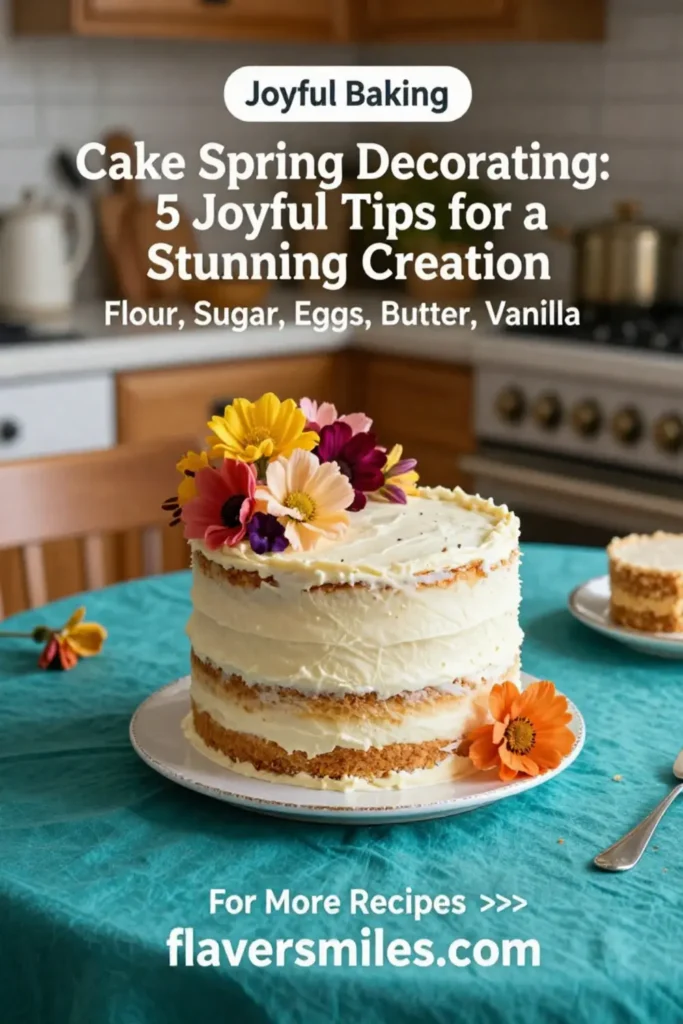
Spring is a time of renewal, inspiration, and blossoming creativity. What better way to express this joyful season than by decorating a cake that captures the essence of spring? Whether you’re preparing for a birthday, an anniversary, or simply a delightful afternoon treat, mastering the art of cake spring decorating can elevate your baking to an impressive level. Here are five joyful tips to create a stunning cake that not only tastes amazing but also looks gorgeous!
What Is Cake Spring Decorating: 5 Joyful Tips for a Stunning Creation?
Cake decorating for spring is an art that combines the freshness of seasonal ingredients with eye-catching designs that celebrate the beauty of the season. This technique draws heavily from vibrant colors, floral designs, and the use of natural elements to evoke the essence of spring. By incorporating various techniques, such as layering of colors, the application of edible flowers, and the strategic use of frosting, you can transform a simple cake into a masterpiece that delights the eyes as much as the palate.
Why You’ll Love This
Spring cake decorating enhances your baking experience by allowing you to infuse personality and creativity into your treats. It’s an excellent opportunity to connect with loved ones and create lasting memories. This method is not just about aesthetics; it’s also about celebrating the flavors of spring, from zesty citrus fruits to luscious berries. The possibilities are endless, and it encourages experimentation, making baking a joyful adventure rather than a chore.
Ingredients You’ll Need
To bring your spring cake to life, here’s a comprehensive list of ingredients you will need:
- 2 cups all-purpose flour: The foundation for your cake, providing structure.
- 1 ½ cups granulated sugar: For sweetness and moisture.
- 1 cup unsalted butter, softened: Adds richness and a tender crumb.
- 4 large eggs: Essential for binding the ingredients together.
- 1 cup buttermilk: Ensures a moist texture and enhances flavor.
- 1 tablespoon vanilla extract: To add a warm, aromatic flavor.
- 2 teaspoons baking powder: For leavening, helping your cake rise.
- 1 teaspoon salt: Balances the sweetness and enhances flavor.
- Fresh flowers (like pansies or violets): For decoration, ensure they are edible.
- Colored frosting (various shades): To bring life to your creations.
How to Make
- Preheat your oven to 350°F (175°C) and grease two 9-inch round cake pans. This step is crucial to ensure your cakes release smoothly after baking.
- In a large mixing bowl, beat the softened butter and sugar together until the mixture is light and fluffy. This process incorporates air into the batter, resulting in a lighter texture.
- Gradually add in the eggs, one at a time, mixing well after each addition. Ensure the mixture is fully combined before moving on to the next step, as this aids in making a cohesive batter.
- In another bowl, whisk together the flour, baking powder, and salt. Slowly add this dry mixture to the wet ingredients, alternating with the buttermilk. This method helps to prevent clumping and leads to an even batter.
- Add the vanilla extract and mix until the batter is smooth. Scraping down the sides of the bowl ensures that all ingredients are well incorporated.
- Pour the batter into the prepared cake pans and smooth the tops with a spatula. Bake in the preheated oven for about 30 minutes, or until a toothpick inserted in the center comes out clean.
Variations & Substitutions
Lemon Zest Variation
For a refreshing citrus twist, consider adding the zest of one lemon to your batter. The bright flavor will bring a spring-like freshness and pair beautifully with a lemon-flavored frosting.
Fresh Berry Variation
Incorporate fresh berries such as strawberries or raspberries into your batter for a pop of color and flavor. Gently fold them in before pouring the batter into the pans. This adds a delightful burst of sweetness with every bite.
Gluten-Free Version
Replace all-purpose flour with a gluten-free flour blend. Make sure to include a binding agent if your blend does not already contain one. The texture may vary slightly, but it will still be delicious.
Vegan Option
For a vegan replacement, substitute eggs with flaxseed meal (1 tablespoon flaxseed meal mixed with 3 tablespoons water equals 1 egg) and replace butter with coconut oil or a vegan butter substitute. Use almond or soy milk instead of buttermilk to keep it vegan-friendly.
Common Mistakes to Avoid
One common mistake is overmixing the batter. Doing this can lead to a tough texture instead of the soft crumb you desire. Mix only until just combined. Additionally, ensure your oven is properly preheated before baking, as an incorrect temperature can lead to uneven baking. Always check the cake two to three minutes before the suggested baking time.
Another pitfall is neglecting to let your cakes cool in the pans. Allowing the cakes to sit in the pans for about 10 minutes before transferring them to a cooling rack can prevent breakage.
Storage, Freezing & Reheating Tips
To store your decorated cake, place it in an airtight container or cover it gently with plastic wrap. It can be stored at room temperature for up to two days. If you are looking to keep it for longer, consider freezing the cake. Wrap it tightly in plastic wrap and aluminum foil to prevent freezer burn. Thaw in the refrigerator when ready to serve.
For reheating any leftover cake, it’s best to do so in an oven at 300°F (150°C) for about 10-15 minutes. This gently warms the cake without compromising its texture.
Frequently Asked Questions
Can I use any fruits for decoration?
Yes, you can absolutely use a variety of fruits for decoration. It is essential, however, to ensure that the fruit is fresh and safe to consume. Strawberries, blueberries, and edible flowers are all excellent choices that not only look beautiful but also complement the cake’s flavor.
What’s the best way to achieve a smooth frosting finish?
To achieve a smooth frosting finish, start with a crumb coat. This is a thin layer of frosting applied to trap crumbs. Chill the cake for about 30 minutes and then apply the final layer of frosting to even out the surface. A spatula or a bench scraper can help achieve that perfect smooth finish.
How can I create designs with frosting?
To create beautiful designs, consider using piping bags and various tips for decorating. Practice makes perfect; experimenting with different techniques like rosettes, stars, and borders can elevate the look of your cake dramatically.
Is it okay to decorate a cake the day before serving?
Absolutely! In fact, it can often be beneficial, as it allows the flavors to meld together. Just be sure to store the cake in a cool, dry place, and if using fresh fruits for decoration, it’s best to add them shortly before serving.
Can I make this cake ahead of time?
Yes, you can bake the cake layers ahead of time and freeze them. Wrap each layer tightly and freeze for up to three months. When you’re ready to decorate, thaw the cakes in the refrigerator overnight.
Conclusion:
Creating a stunning spring cake with these joyful decorating tips not only showcases your baking skills but also brings a sense of accomplishment and joy. With the right ingredients and techniques, you can make a cake that is as beautiful as it is delicious. Happy baking!