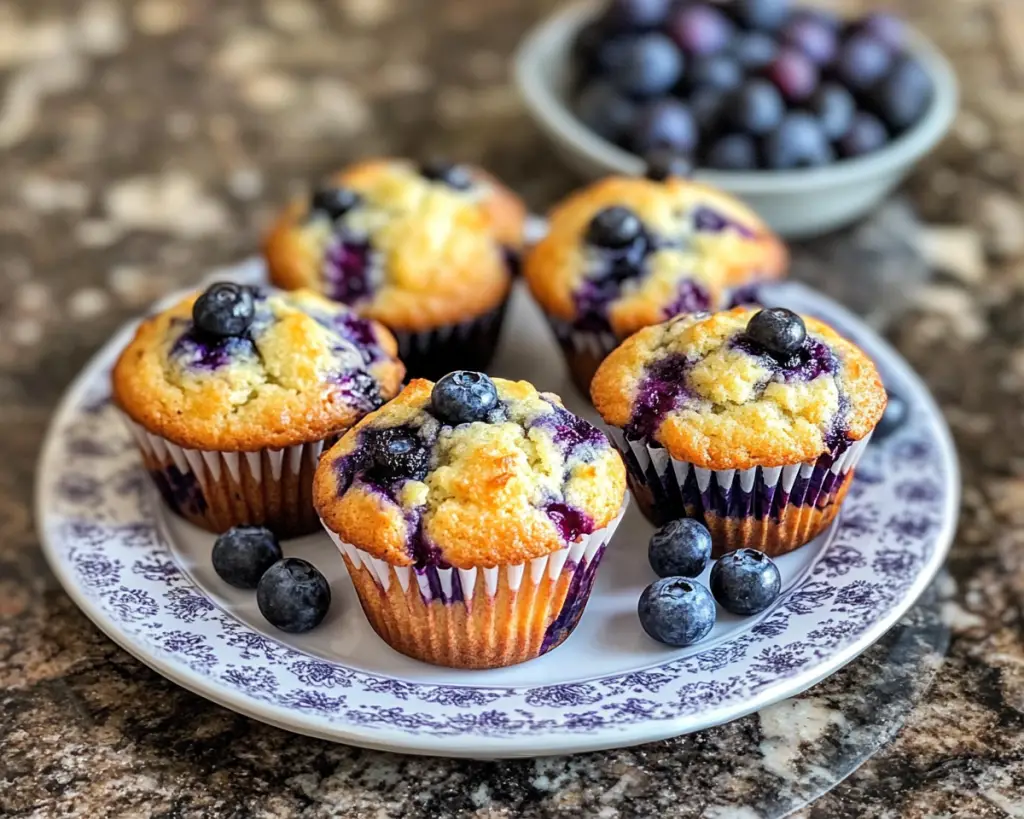
Blueberry muffins are a beloved treat that offer a delightful balance of sweetness and tang. Imagine the delicious aroma wafting through your kitchen as these delectable little cakes bake to golden perfection. Whether you’re looking to enjoy a cozy breakfast or a delightful snack, this gluten-free blueberry muffin recipe is the perfect solution. You’ll find them bursting with juicy blueberries and tender texture, making every bite a joy. This recipe not only allows you to indulge in this classic treat without gluten but also keeps your taste buds satisfied.
In this article, you will learn everything about gluten-free blueberry muffins, from understanding what they are to crafting the perfect batch in your own kitchen. You’ll discover the ingredients you’ll need, cooking steps, common variations, storage tips, and answers to frequently asked questions. Get ready to embark on a delicious journey and enjoy the fruits of your labor warm from the oven!
What Are Gluten-Free Blueberry Muffins?
Gluten-free blueberry muffins are a twist on the classic muffin recipe, designed for those who experience gluten intolerance or choose to follow a gluten-free diet. Traditional muffins typically rely on wheat flour to give them their structure and softness. However, gluten-free muffins utilize alternative flours that can provide varying textures while maintaining that same delectable taste.
The most common gluten-free flours include almond flour, coconut flour, and gluten-free all-purpose blend, which often contains a mix of rice flour, potato starch, and tapioca flour. In our version of blueberry muffins, we will use a gluten-free all-purpose flour that mimics the texture of wheat flour, ensuring that your muffins are just as moist and fluffy as their gluten-filled counterparts.
These muffins not only fit into a gluten-free lifestyle but also present a fantastic way to incorporate fresh fruit into your diet. Blueberries, known for their antioxidant properties, give these muffins a burst of flavor and natural sweetness. The combination of the tender muffin texture with the sweet-tart blueberries creates a treat that is impossible to resist.
Why You’ll Love This Gluten-Free Blueberry Muffin Recipe
There are so many reasons to fall in love with this gluten-free blueberry muffin recipe. First and foremost, the **taste** is out of this world! The muffins are soft and fluffy, with a hint of sweetness complemented by luscious bursts of fresh blueberries in every bite. They make for an excellent breakfast or afternoon snack, and they are easy to whip up any day of the week.
You’ll appreciate the **ease** of making these muffins, even if you’re a beginner in the kitchen. The straightforward steps require minimal equipment, so you won’t have to worry about complicated techniques. Just mix, pour, and bake—it’s that simple!
Cost is always a consideration, and making gluten-free blueberry muffins at home is far more economical than purchasing pre-packaged gluten-free treats. Plus, you have the added bonus of knowing exactly what ingredients are in your muffins. You can control the sweetness and eliminate any preservatives or artificial flavors.
Health-wise, blueberries are an excellent source of vitamins C and K, along with fiber and antioxidants. Incorporating them into baked goods adds a nutritional boost, making these muffins a guilt-free indulgence. Also, for those who might be hesitant about gluten-free baking, this recipe example demonstrates that gluten-free doesn’t mean compromising on taste or texture.
Let’s not forget the **versatility** of these muffins. You can easily modify this basic recipe to suit your preferences by adding nuts, spices, or dried fruits, or by adjusting the sweetness to your liking. They also freeze beautifully, making them a perfect meal prep option for those busy mornings.
Ingredients You’ll Need
Here’s a comprehensive list of ingredients you’ll need to create scrumptious gluten-free blueberry muffins.
– **Gluten-Free All-Purpose Flour**: The cornerstone of your muffin batter, this blend is essential for providing the right structure. Look for a brand that includes xanthan gum if not included in your mixture, as it helps with the binding and texture.
– **Baking Powder**: This ingredient is crucial for leavening the muffins, ensuring they rise and achieve that fluffy quality you desire. Make sure it’s gluten-free to maintain the integrity of your recipe.
– **Baking Soda**: Works in conjunction with baking powder to provide extra leavening power. It helps the muffins rise and gives them a light, airy texture.
– **Salt**: Just a pinch or two enhances the flavor of the muffins, balancing out the sweetness of the sugar and the berries.
– **Granulated Sugar**: This sweetener gives the muffins flavor. You can adjust the amount depending on how sweet you like your muffins or substitute with coconut sugar or maple syrup for a different taste profile.
– **Eggs**: Essential for binding the ingredients together and providing moisture. They also contribute to the overall structure, helping the muffins rise properly.
– **Milk**: Adds moisture to the batter. You can use dairy milk, almond milk, or any plant-based milk to suit your dietary preferences.
– **Vanilla Extract**: Elevates the flavor profile by adding warmth and depth. It’s an essential addition to any muffin recipe.
– **Fresh Blueberries**: The stars of this recipe! Fresh blueberries add juicy flavor and natural sweetness. Frozen blueberries can be used as a substitute, but be aware they may create a little color bleed in the batter.
– **Butter or Coconut Oil**: For richness and moisture. Either option can be used, depending on your dietary restrictions. Melt it before adding to the mix for easier incorporation.
Plan to gather these ingredients before you start baking; having everything ready will streamline the process and allow you to focus on creating delightful muffins!
How to Make Gluten-Free Blueberry Muffins
Now, it’s time to roll up your sleeves and get baking! Follow these detailed steps to create your perfect batch of gluten-free blueberry muffins:
1. **Preheat Your Oven**: Start by preheating your oven to 375°F (190°C). This ensures that your muffins bake evenly. While the oven heats up, prepare your muffin tin by lining it with paper liners or greasing it with non-stick spray.
2. **Mix Dry Ingredients**: In a large mixing bowl, whisk together 2 cups of gluten-free all-purpose flour, 1 tablespoon of baking powder, 1/2 teaspoon of baking soda, and 1/2 teaspoon of salt. Mixing these ingredients first helps evenly distribute the leavening agents, ensuring a well-risen muffin.
3. **Combine Wet Ingredients**: In another bowl, beat together 1 cup of granulated sugar and 2 large eggs until they are light and frothy. Then, add in 1/2 cup of melted butter or coconut oil, 1 cup of milk, and 1 teaspoon of vanilla extract. Stir until well combined.
4. **Combine Dry and Wet Mixtures**: Slowly pour the wet mixture into the dry ingredients, stirring gently. Be careful not to over-mix; the batter should just come together. Fold in 1 ½ cups of fresh blueberries, being cautious not to crush them. If using frozen blueberries, fold them in while still frozen to limit color bleeding.
5. **Pour into Muffin Tin**: Divide the batter evenly among the 12 muffin cups, filling each about 2/3 full. This allows space for the muffins to rise. Optionally, sprinkle a little sugar on top of each muffin for a crunchy finish.
6. **Bake**: Place your muffin tin in the oven and bake for 18-22 minutes, or until the tops are golden brown and a toothpick inserted into the center comes out clean. Keep an eye on them during the last few minutes to prevent overbaking.
7. **Cool**: Once the muffins are baked, remove them from the oven and let them sit in the tin for about 5 minutes. Then, transfer them to a wire rack to cool completely. Waiting for them to cool will allow them to set perfectly.
8. **Enjoy**: Your gluten-free blueberry muffins are now ready to be enjoyed! They can be eaten warm, drizzled with a bit of honey or eaten plain.
Taking these steps slowly but surely will yield delicious, fluffy, gluten-free muffins that everyone can enjoy—gluten-free or not!
3 Variations & Substitutions
Creating variations of gluten-free blueberry muffins is not only fun but also encourages you to experiment with flavors and textures. Here are three ideas for variations, including tips to ensure success:
1. Lemon Blueberry Muffins
Add a refreshing twist to your muffins by incorporating lemon zest and juice. Use 1 tablespoon of lemon zest and 2 tablespoons of fresh lemon juice in the wet mixture. The citrusy notes will brighten the flavor profile of the muffins, making them perfect for a spring or summer brunch. To prevent the batter from becoming too wet, consider reducing the milk slightly.
2. Almond Blueberry Muffins
For an almond-flavored muffin, substitute 1/2 cup of the gluten-free all-purpose flour with almond flour. This introduces a slightly nutty flavor and a bit more moisture. Additionally, include a teaspoon of almond extract in the wet ingredients to enhance the almond sensation. The combination of blueberries and almond creates a delightful taste experience.
3. Vegan Blueberry Muffins
To make these muffins vegan, swap out the eggs for a “flax egg.” Mix 1 tablespoon of ground flaxseed with 2.5 tablespoons of water and let it sit for 10 minutes until it becomes gelatinous. Use plant-based milk like almond milk or oat milk instead of dairy milk and coconut oil as a substitute for butter. The result will be equally delicious, moist muffins without any animal products.
Experimenting with variations allows you to explore different flavor profiles and cater to diverse dietary needs. Enjoy the process and feel free to share any personal twists you come up with!
Common Mistakes to Avoid
While making gluten-free blueberry muffins can be straightforward, there are common mistakes that can impact your results. Here are a few pitfalls to avoid, along with tips on how to fix them:
– **Overmixing the Batter**: Overmixing can lead to tough and dense muffins instead of light and fluffy ones. Make sure to mix just until combined. It’s okay if there are some lumps; they will bake out, and this approach will help preserve the desired texture.
– **Incorrect Oven Temperature**: Always ensure your oven is properly preheated. An oven that’s too hot can lead to overly browned tops while leaving the insides undercooked. Conversely, an oven that’s too cool may result in flat muffins. Investing in an oven thermometer can help prevent this issue.
– **Using Flour with Gluten**: Double-check your flour to ensure it is certified gluten-free. Using a flour that contains gluten will negate the benefits of the gluten-free muffin recipe and may cause adverse reactions for those with gluten sensitivities.
– **Not Adjusting for Fresh vs. Frozen Blueberries**: Frozen blueberries can create a lot of moisture in the batter, possibly leading to soggy muffins. To reduce moisture, do not thaw the blueberries and fold them in gently while they are still frozen. This allows them to maintain their shape while baking.
Recognizing these common mistakes and knowing how to avoid them will significantly enhance your baking success, making your gluten-free blueberry muffins as delightful as they are intended to be.
Storage, Freezing & Reheating Tips
When you have a delicious batch of gluten-free blueberry muffins, you’ll want to enjoy them long after baking. Here are some practical storage, freezing, and reheating tips to keep them fresh.
– **Storage at Room Temperature**: If you plan to consume the muffins within a few days, store them at room temperature in an airtight container. This helps maintain their moisture and texture. Be sure to separate layers with parchment paper to prevent sticking.
– **Refrigeration**: For longer storage (up to a week), you can refrigerate the muffins. Place them in an airtight container or zip-top bag. However, keep in mind that refrigeration may slightly alter the texture, making them a bit denser.
– **Freezing**: Muffins freeze exceptionally well! Allow them to cool completely, then wrap each muffin in plastic wrap and place them in a freezer-safe bag. They can be stored in the freezer for up to 3 months. When you’re ready to enjoy one, simply thaw it at room temperature or pop it in the microwave for a quick reheat.
– **Reheating**: To reheat refrigerated or frozen muffins, preheat your oven to 350°F (175°C) and warm them for about 10-15 minutes from cold or 15-20 minutes if frozen. Alternatively, you can microwave a muffin for 20-30 seconds. This will revive the softness and moisture for each muffin, making it feel freshly baked!
Adhering to these storage tips will ensure your gluten-free blueberry muffins maintain their flavor and texture for as long as possible.
Frequently Asked Questions
1. **Can I use frozen blueberries in gluten-free blueberry muffins?**
Yes, you can use frozen blueberries in this recipe! You should fold them into the batter while they are still frozen to minimize color bleeding. This doesn’t compromise the muffins’ quality and will yield delicious results!
2. **Can I make these muffins without eggs?**
Absolutely! You can replace each egg with a flax egg. Simply mix 1 tablespoon of ground flaxseed with 2.5 tablespoons of water for each egg needed. Let it sit for about 10 minutes until it thickens. This ensures your muffins will still rise and bind properly.
3. **How do I know when the muffins are done baking?**
The easiest way to test for doneness is to use a toothpick; insert it into the center of a muffin, and if it comes out clean or with only a few moist crumbs, your muffins are ready. Additionally, the tops should be golden brown and spring back slightly when pressed.
4. **Can I use honey or maple syrup instead of sugar?**
Yes, you can substitute honey or maple syrup for granulated sugar, but note that they will add extra liquid to the batter. Reduce the milk by about 1/4 cup if using liquid sweeteners. Otherwise, your muffins may turn out too wet.
5. **How do I enhance the flavor of my muffins?**
You can enhance the flavor of your muffins by adding spices like cinnamon or nutmeg to the dry ingredients. Additionally, using vanilla and almond extracts can elevate the flavor profile, making your muffins truly irresistible.
In conclusion, these gluten-free blueberry muffins are a delightful treat that combines ease, flavor, and health benefits all in one bite. Whether enjoyed fresh out of the oven or later in the week, you can feel good about every muffin you devour. I encourage you to try this recipe today, customize it to suit your taste, and most importantly, share it with your friends and family. Happy baking!