Prep time: 20 minutes
Cook time: 40 minutes
Total time: 1 hour
Servings: 12 slices
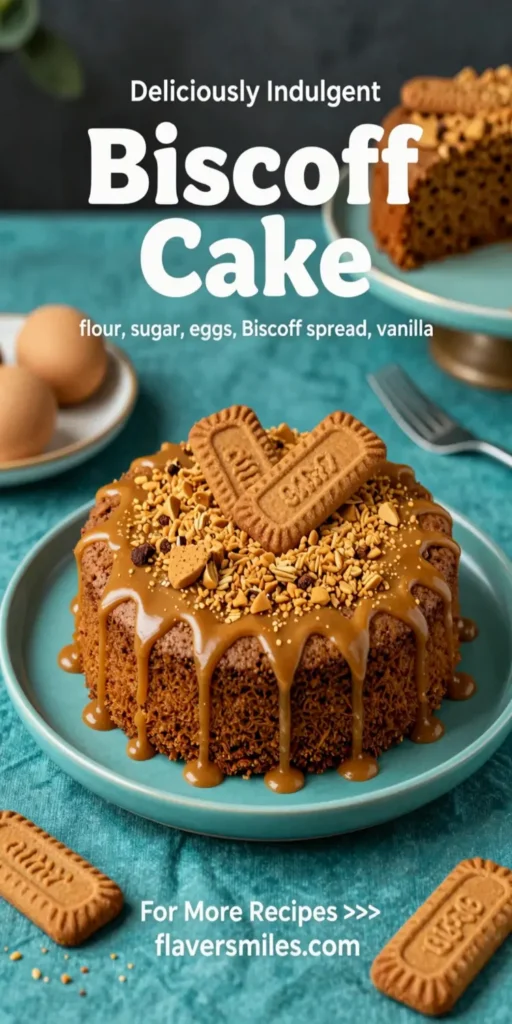
Biscoff cake is a delicious dessert that combines the rich flavor of Biscoff cookies with a moist cake base, making it a real treat for any occasion. This cake shines with its spiced caramel notes, creating a unique flavor profile that many find irresistible. Perfect for gatherings or a cozy evening at home, it satisfies both adults and children alike.
What Is Biscoff Cake?
Biscoff cake is a delightful dessert that features Biscoff cookies, known for their crunchy texture and caramelized flavor. The cake is typically infused with cookie crumbs, creating a delightful mixture that embodies the spirit of the iconic cookies. This cake is not only a feast for the taste buds but also provides visual appeal, showcasing a luscious frosting that complements its base. With its combination of textures—from the crumbly cookie pieces to the creamy frosting—this cake offers an irresistible experience.
Why You’ll Love This
There are several reasons why Biscoff cake is a fantastic choice for your dessert table. Firstly, its flavor is incredibly unique; the spiced undertones of the Biscoff cookies pair beautifully with the sweetness of the cake. Additionally, it’s a straightforward recipe that doesn’t require advanced baking skills, making it accessible for both beginners and seasoned bakers. Lastly, it’s quite versatile—you can serve it on its own or elevate it with ice cream, fruit, or whipped cream for an even more indulgent treat.
Ingredients You’ll Need
- Biscoff cookies: 250g – The star ingredient that provides flavor and crunch.
- All-purpose flour: 225g – This forms the base of the cake.
- Sugar: 200g – Adds sweetness; you can adjust based on your preference.
- Baking powder: 2 teaspoons – Helps the cake rise.
- Salt: 1/2 teaspoon – Enhances overall flavor.
- Unsalted butter: 150g (softened) – Contributes to moisture and richness.
- Eggs: 3 large – Provides structure and stability to the cake.
- Milk: 100ml – Adds moisture to the batter; you can substitute with a non-dairy option if preferred.
- Biscoff spread: 150g – For swirls in the cake and frosting.
- Whipped cream: 250ml – To frost on top or serve as a garnish.
How to Make
- Preheat your oven to 180°C (350°F). Grease and line the bottom of two 8-inch round cake pans with parchment paper. This ensures the cakes don’t stick and allows for easy removal.
- In a mixing bowl, crush the Biscoff cookies into crumbs using a food processor or a rolling pin. Ensure they are finely crushed, as this will allow for better incorporation into the batter.
- In another large bowl, cream the softened butter and sugar together until light and fluffy—about 5 minutes. This process incorporates air into the mixture, resulting in a lighter texture for your cake.
- Add the eggs one at a time to the butter mixture, mixing well after each addition. To ensure even distribution, consider beating the mixture for a minute after adding each egg. This creates a uniform batter.
- Sift together the flour, baking powder, and salt in another bowl. Gradually add this dry mixture to the wet ingredients, alternating with milk, and mix until just combined. Be careful not to overmix, as this can lead to a denser cake.
- Fold in the crushed Biscoff cookies and Biscoff spread gently into the batter. The goal is to create swirls without fully incorporating the spread, leaving lovely pockets of flavor.
- Pour the batter evenly into the prepared cake pans. Tap the pans gently on the counter to release any trapped air bubbles.
- Bake in the preheated oven for about 30-40 minutes, or until a toothpick inserted into the center comes out clean. The aroma of the baking cake will be enticing!
- Let the cakes cool in the pans for 10 minutes and then transfer them to wire racks to cool completely. This step is essential in preventing the cakes from becoming soggy.
- For the frosting, whip the cream until soft peaks form. Fold in remaining Biscoff spread gently to maintain the airy texture.
- Once the cakes are completely cool, place one layer on a serving plate. Spread a layer of whipped cream frosting on top before gently placing the second layer on top.
- Frost the top and sides of the cake with the remaining whipped cream, smoothing it out for an attractive finish. Feel free to add additional crushed Biscoff cookies on top for extra flair!
- Slice and serve with a smile. Enjoy with a cup of coffee or tea for a matching flavor experience!
Variations & Substitutions
Chocolate Biscoff Cake: For chocolate lovers, replace half of the all-purpose flour with cocoa powder and add chocolate chips into the batter. This will create a rich, velvety texture that pairs beautifully with the Biscoff flavor.
Gluten-Free Biscoff Cake: Use a gluten-free flour blend instead of all-purpose flour. Additionally, ensure that your Biscoff cookies and spread are certified gluten-free to make this suitable for those with gluten sensitivities.
Vegan Biscoff Cake: Substitute eggs with flax eggs (1 tablespoon ground flaxseed mixed with 2.5 tablespoons of water for each egg). Use plant-based butter and non-dairy milk to keep it completely vegan. This version still retains moisture while being animal product-free.
Biscoff Snack Cake: If you’re looking for a simpler, quicker version, prepare a single layer, omitting the frosting. This can be a delightful snack cake for casual gatherings or family get-togethers.
Common Mistakes to Avoid
One common mistake is overmixing the batter, which can result in a dense cake. Make sure to mix until just combined. Also, another issue is baking too long; check for doneness a few minutes before the prescribed time. Burnt edges can ruin the cake, so keep an eye on it. Lastly, not allowing the cakes to cool completely before frosting can lead to melting frosting, which disrupts the appearance and texture.
Storage, Freezing & Reheating Tips
To store your Biscoff cake, place any leftovers in an airtight container in the fridge, where it can last for up to five days. If you wish to freeze the cake, wrap it tightly in plastic wrap and then aluminium foil to prevent freezer burn. It can be frozen for up to three months. When you’re ready to eat, simply thaw it overnight in the fridge. To reheat, slice and place in the microwave for a few seconds, just enough to enjoy it warm but not hot.
Frequently Asked Questions
Can I use different cookies instead of Biscoff?
Yes, you can substitute with other types of spiced cookies or even Oreos for a different flavor profile. The essential aspect is to maintain a similar crumb texture to achieve the desired consistency.
Is Biscoff cake suitable for special diets?
Variations like gluten-free and vegan options exist for this cake. It can easily be adapted to suit various dietary needs, making it versatile for gatherings with guests of different preferences.
How can I enhance the flavor of the Biscoff cake?
Consider adding spices like cinnamon or nutmeg for an extra kick. You might also incorporate caramel drizzle over the frosting for an additional layer of sweetness or pair it with fresh fruits!
Can I make Biscoff cake ahead of time?
Absolutely! You can bake the layers a day in advance and assemble them the following day. Just keep them well-wrapped to maintain their freshness, and add the frosting just before serving for the best appearance.
What can I serve with Biscoff cake?
It pairs beautifully with whipped cream, ice cream, or even a simple cup of coffee or tea. The combination of flavors elevates the overall dining experience and complements the cake’s richness beautifully.
Conclusion: With its unique flavor and delightful texture, Biscoff cake is sure to become a favorite in your dessert repertoire. It’s easy to make, adaptable, and perfect for any occasion. Whether enjoyed after a long day or as the star of a celebratory feast, this cake will not disappoint. Enjoy your baking adventure!