Prep time: 30 minutes
Cook time: 40 minutes
Total time: 1 hour 10 minutes
Servings: 8
Easter is a time for *creating* beautiful memories and sharing them with loved ones, and what better way to celebrate than with a delightful dessert? Enter the **Easter Lemon Tart**—a mouthwatering treat that encapsulates the essence of spring and the joy of holiday gatherings. This dessert is not just a feast for the taste buds but also a stunning centerpiece for your table. With its balance of tangy lemon flavors and a buttery crust, it’s bound to be a showstopper. You may find yourself making it year-round, especially if you learn the simple techniques that make this dessert so achievable.
In this article, you will dive into everything you need to know about *Easter Lemon Tart*, from the ingredients to use and how to prepare it, to common pitfalls and tips to enhance your version. This tart is not only about flavor; it’s about the tradition, the memories you’ll create around it, and the joy it brings to those who take a slice.
What Is Easter Lemon Tart?
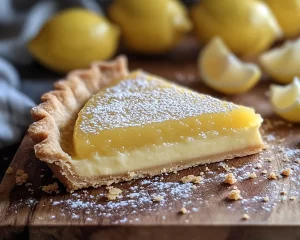
The **Easter Lemon Tart** is an exquisite dessert that features a rich **lemon filling** nestled within a flaky, buttery crust. Its origins can be traced back to European cuisine, with variations found in French and Italian desserts. The crunchy, golden crust acts as the perfect counterpoint to the smooth, tangy filling. The tart is typically garnished with a dusting of powdered sugar or fresh fruit, making it visually appealing and enticing.
Lemon tarts are well-known for their rich flavors and vibrant textures, providing an irresistible combination of sweet and tart. The intense flavor of fresh lemons provides a refreshing punch, especially during spring celebrations like Easter. This dessert can evoke *nostalgia*, reminding you of sunny days when citrus fruits are at their peak. Hence, the Easter Lemon Tart is not just a dessert; it’s a breath of fresh air that awakens the senses while offering a light, bright finish to your festive meal.
When it comes to baking, the **Easter Lemon Tart** stands out for its simplicity and elegance. The filling consists of just a handful of wholesome ingredients, making it reasonably healthy compared to heavier desserts. As you enjoy a slice, the creamy texture melts in your mouth, while the vibrant zest brings a bright energizing flavor that dances on your palate. This tart truly encapsulates the spirit of Easter celebrations, making it the perfect concluding note for your holiday feast.
Why You’ll Love This
There are several reasons why the **Easter Lemon Tart** should be your go-to recipe for seasonal gatherings. First and foremost is its *taste*. The unique combination of tartness from the fresh lemons and the sweetness of sugar creates layers of flavor that are both refreshing and indulgent. You’ll be able to savor each bite, as the crisp crust provides lasting satisfaction before giving way to the creamy filling. Furthermore, the recipe is incredibly easy to follow, making it accessible for anyone in the kitchen—whether you’re a seasoned chef or a beginner trying your hand at baking.
Cost-effectiveness is also a significant aspect of this recipe. The ingredients are readily available and generally affordable, allowing you to whip up this delightful tart without stressing your budget. The health benefits of **lemons** can’t be overlooked, either. They are an excellent source of vitamin C and antioxidants, making this dessert a guilt-free option that adds a boost of nutrition while satisfying sweet cravings.
One common misconception about the **Easter Lemon Tart** is that it requires advanced culinary techniques. In reality, even if you’re new to baking, you can successfully create this dessert with patience and a little practice. The recipe empowers you to experiment and infuse your personal touch, such as adjusting the level of sweetness or adding herbs like basil for an exciting twist. The tart’s versatility allows you to adapt it to your flavor preferences or dietary needs. This adaptability makes the **Easter Lemon Tart** not just a recipe, but an invitation to enjoy, celebrate, and share.
Ingredients You’ll Need
To make the **Easter Lemon Tart**, gather these essential ingredients:
- All-purpose flour: This forms the base of the crust. If you’re looking for a gluten-free option, consider substituting with almond flour or a store-bought gluten-free blend.
- Unsalted butter: Provides a rich buttery flavor to the crust. Make sure it’s cold for a flaky texture. For a dairy-free option, use coconut oil.
- Sugar: Adds sweetness to both the crust and filling. You can use granulated sugar or replace it with coconut sugar for a healthier alternative.
- Eggs: Essential for the filling, they help set the lemon mixture. For a vegan option, flax eggs can be used as a substitute.
- Lemon juice: Freshly squeezed lemon juice brings the vibrant tang that defines this tart. Bottled lemon juice is less recommended due to flavor differences.
- Lemon zest: Provides additional flavor and fragrance. Zest from organic lemons is best to avoid pesticides.
- Heavy cream: Enhances the richness of the filling. A non-dairy cream alternative can be used if you wish.
- Powdered sugar: This is optional for dusting on top of the tart before serving, adding an aesthetic touch and a hint of sweetness.
Each ingredient plays a significant role in the overall flavor, texture, and appearance of the tart. Understanding the purpose and possible substitutions can help you tailor the recipe to fit your needs or preferences.
How to Make
Creating your **Easter Lemon Tart** doesn’t have to be daunting. Follow these straightforward steps to achieve a delicious result:
- Prepare the crust: In a large mixing bowl, combine 1 ¾ cups of all-purpose flour with ½ cup of sugar. Next, add ½ cup of cold, cubed unsalted butter. Use a pastry cutter or your fingers to mix until the mixture resembles coarse crumbs. Be careful not to overwork the dough, as this will make it tough instead of tender.
- Form the dough: Once the mixture has the desired texture, add 1 cold egg yolk and 2 tablespoons of ice water. Stir until combined. If the dough feels too dry, add more ice water, one tablespoon at a time. Shape the dough into a disc, wrap it in plastic, and refrigerate for at least 30 minutes to allow it to firm up.
- Preheat the oven: While your dough is chilling, preheat your oven to 350°F (175°C). This ensures that your crust will bake evenly when placed in the oven.
- Roll out the dough: After chilling, lightly flour your work surface and rolling pin. Roll out the dough to fit into a 9-inch tart pan, about ¼-inch thick. Gently transfer it to the tart pan and trim any excess dough, pressing it against the edges to fit snugly. Use a fork to prick the bottom to prevent it from bubbling up during baking.
- Bake the crust: Line the crust with parchment paper and fill it with pie weights or dried beans to keep the shape intact. Bake in the preheated oven for 20 minutes, then remove the weights and parchment and bake for an additional 10 minutes or until golden brown. Allow the crust to cool completely on a wire rack.
- Make the lemon filling: In a medium bowl, whisk together 4 large eggs, 1 cup granulated sugar, and the zest of 2 lemons until light and fluffy. Gradually whisk in ¾ cup freshly squeezed lemon juice and 1/3 cup heavy cream for a velvety texture. This mixture should be smooth and well-combined.
- Pour the filling: Once the crust is totally cooled, pour the lemon filling into it. The filling should be filled just to the top edge of the crust, but be mindful not to overflow it. This filling will puff up and then settle as it bakes.
- Bake the tart: Bake the tart for about 25-30 minutes, or until the filling is set but slightly wobbly in the center. It will continue to firm up as it cools. Remove from the oven and let it cool completely at room temperature, then transfer to the refrigerator to chill for about 2 hours before serving.
- Serve: Before serving, dust the top of the tart with powdered sugar for an elegant touch. Optionally, garnish with fresh berries or mint leaves to brighten the presentation. Cut into slices and enjoy the zesty goodness of your **Easter Lemon Tart**!
With each step, remember to take your time. Baking is as much about patience as it is about precision. As you embark on this journey, the delightful aroma of lemons enveloping your kitchen will make your efforts worthwhile.
Variations & Substitutions
Berry Infused Lemon Tart: If you want to elevate the flavor profile of your **Easter Lemon Tart**, consider adding fresh berries into the filling. By incorporating raspberry or blueberry puree into the lemon filling, you will create a stunning color contrast and an exciting flavor twist. This variation delights those who adore mixed fruit and adds a level of sophistication to your tart. It can be enjoyed by individuals seeking both sweet and tart flavors harmoniously combined.
Gluten-Free Lemon Tart: For those with gluten sensitivities, a gluten-free lemon tart is easily achievable. Substitute the all-purpose flour with almond flour or a gluten-free baking mix. If using almond flour, make sure to adjust the amount of butter accordingly to ensure the crust holds together properly. The texture may slightly differ but will still yield a satisfying result. This variation allows everyone to enjoy this tart.
Vegan Lemon Tart: To create a vegan version of the **Easter Lemon Tart**, replace the eggs with a mixture of flaxseed meal and water (1 tablespoon of flax meal with 2.5 tablespoons of water per egg, left to thicken for a few minutes). Substitute the heavy cream with coconut cream for richness. This option is perfect for anyone avoiding animal products while still craving the traditional flavors of the tart.
Coconut Lemon Tart: For an exotic twist, try adding shredded coconut to the filling. Use coconut milk in place of cream and fold in some unsweetened shredded coconut for added texture. This takes the flavor profile to another level, giving a tropical flair to your Easter celebration. It’s an excellent choice for coconut lovers and a delightful surprise for your guests.
Common Mistakes to Avoid
When making the **Easter Lemon Tart**, there are pitfalls that could detract from your final product. One common mistake is overworking the dough for the crust. Once you add the liquids, you should mix until just combined; overworking can result in a tough texture, which we definitely want to avoid.
Another issue arises when measuring the lemon juice. Always ensure you are using freshly squeezed lemon juice for the tart’s filling. **Store-bought alternatives** often lack the brightness of fresh lemon, which is essential for achieving that vibrant flavor. Lastly, be cautious not to overset the tart while baking. It should be slightly wobbly in the center when you remove it from the oven. This ensures that it will have a creamy texture after cooling. Overbaking could lead to a dry filling, which completely undermines the experience. Baking can be temperamental, so keep an eye on your tart as time ticks away.
Storage, Freezing & Reheating Tips
Proper storage is crucial to maintain the quality of your **Easter Lemon Tart**. After preparing your tart, allow it to cool completely at room temperature, then cover it with plastic film or transfer it to an airtight container. Place it in the refrigerator where it can be stored for up to 3-4 days.
If you want to make your tart in advance, it is advisable to freeze it instead. To do this, ensure it is completely cooled, then wrap it tightly in plastic wrap followed by aluminum foil to prevent freezer burn. Your tart can be frozen for up to one month. To reheave, simply thaw it in the refrigerator overnight before serving. Make sure to dust it with powdered sugar just before serving for an elegant touch.
As a note of food safety, always refrigerate your tart after baking. Since it contains eggs and cream, you must be cautious. Leaving it out on the countertop for extended periods isn’t advisable.
Frequently Asked Questions
Can I use bottled lemon juice instead of fresh?
While bottled lemon juice may be convenient, it often lacks the fresh zing and aroma that freshly squeezed lemon juice offers. For the best results and vibrant flavor, always opt for fresh lemons when making your **Easter Lemon Tart**.
How can I tell when the tart is done baking?
The best way to determine if your tart is baked to perfection is to check for a slight jiggle in the center. If the edges are set but the center has a gentle wobble, it is likely done. As it cools, it will firm up, providing that desired creamy texture.
Can I substitute the eggs in this recipe for flax eggs?
Yes, if you’re looking to make a vegan or egg-free version of the **Easter Lemon Tart**, you can substitute traditional eggs with flax eggs. Prepare each flax egg using 1 tablespoon of flax meal mixed with 2.5 tablespoons of water. Let it sit until it thickens, which’ll create the binding texture needed.
What can I do with leftover tart?
Leftover slices of your tart can be enjoyed for breakfast or as a snack. Simply store it in the refrigerator to maintain freshness. Some even enjoy the tart chilled, making it ideal for warm spring days.
Can I add other flavors to the lemon filling?
Absolutely! The **Easter Lemon Tart** can serve as a delightful base for experimenting with other flavors. You can incorporate herbs like basil or thyme, or even a splash of vanilla extract for added depth. The possibilities are endless, allowing you to personalize your tart to your liking.
Conclusion:
The **Easter Lemon Tart** embodies the spirit of spring with its bright flavors and elegant presentation. This recipe not only offers a delightful culinary experience but also serves as a wonderful opportunity to connect with loved ones over a beautifully homemade dessert. Whether you choose to keep it traditional or explore various adaptations, your tart will be a memory-making centerpiece. So, don your apron, gather your loved ones, and embark on this delightful baking adventure. Trust us, the aroma and taste will fill your kitchen with joy, prompting everyone to seek a second slice!