Prep time: 30 minutes
Cook time: 20 minutes
Total time: 50 minutes
Servings: 8
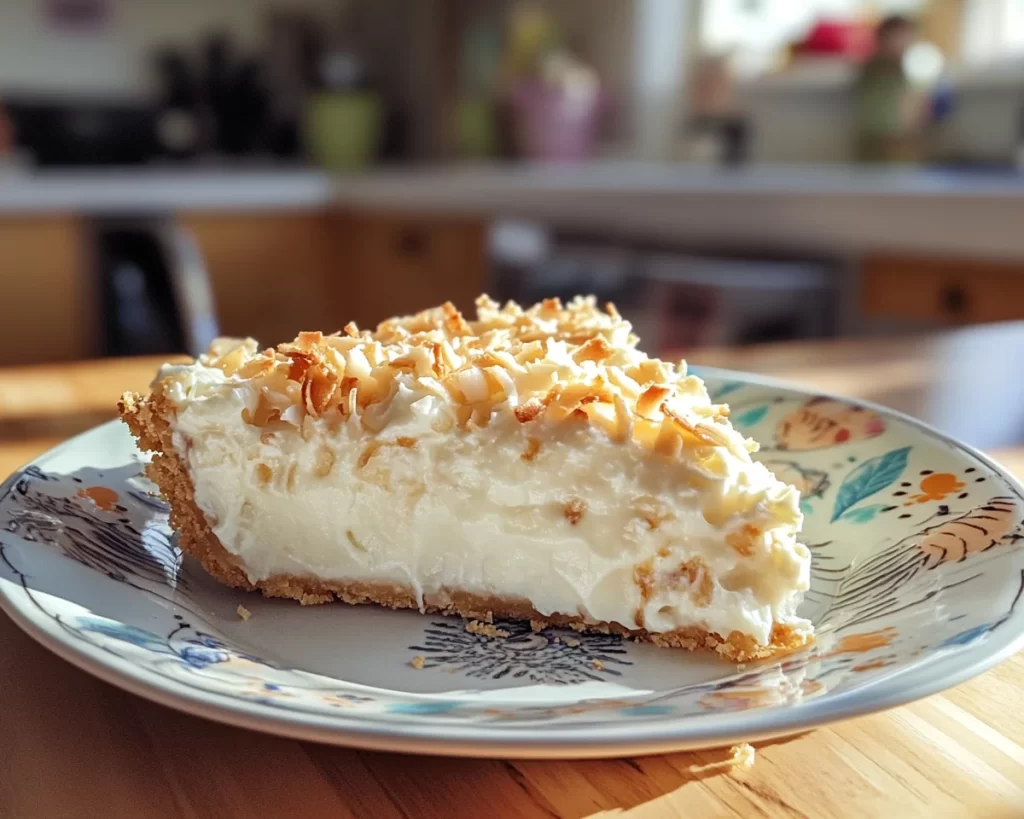
Indulging in a slice of Coconut Cream Pie during the Easter celebration has a way of transporting you back to your childhood. The flavor of coconut paired with a smooth, creamy filling and a perfectly baked crust creates a dessert that is both nostalgic and utterly satisfying. This recipe not only highlights the *tantalizing taste* of coconut, but it also brings a bit of sunshine to your springtime gatherings. You’ll learn how to achieve the perfect creamy texture, the best techniques for preventing a runny filling, and a few variations to make this dessert your own.
What Is Easter Coconut Cream Pie?
Easter Coconut Cream Pie is a beloved dessert that has its roots deeply embedded in American cooking traditions, often making its appearance during springtime festivities. This pie is characterized by its luxurious *custard-like filling* made from milk, sugar, and, of course, shredded coconut. When baked into a crisp, flaky crust and topped with a generous layer of whipped cream, this pie provides a delightful contrast of textures that *melts in your mouth*.
Traditional Coconut Cream Pie typically features a pastry crust, but variations can include graham cracker or even a *cookie crust*, depending on personal preference. The filling is usually made with *coconut milk* or heavy cream, which enhances its rich flavor. As it chills, the filling thickens beautifully, inviting you to take that first enticing bite. The addition of shredded coconut offers bursts of flavor and texture that elevate this pie from ordinary to extraordinary.
Why You’ll Love This
This recipe for Easter Coconut Cream Pie is not just about taste; it offers numerous benefits that make it a must-try for anyone. First, it marries the *sweetness of coconut* with the *creaminess of the filling*, resulting in an irresistible dessert that is sure to impress your family and friends. Additionally, this recipe is straightforward, making it accessible even for those who may be new to baking. You can whip it up in just a short amount of time, allowing you to spend more hours creating beautiful memories with loved ones.
Unlike other summer desserts that can feel heavy, Coconut Cream Pie is refreshingly light, making it perfect for Easter brunch or *spring picnics*. Misconceptions exist around coconut desserts being overly sweet or hard to prepare, but with this recipe, you will find that the balance of flavors is spot-on. It’s a versatile dessert that can easily become your *signature dish* during holiday gatherings or simply as a treat for a warm afternoon.
Ingredients You’ll Need
- Pie crust: You can use store-bought or homemade. This will serve as the foundation for your pie.
- Granulated sugar: This sweetener balances the richness of the coconut and cream.
- All-purpose flour: Essential for thickening the coconut filling.
- Pineapple juice: Adds a unique layer of flavor that complements the coconut.
- Whole milk: Provides the creamy base for the custard filling.
- Heavy cream: This enhances the richness and creaminess of the pie.
- Coconut extract: Intensifies the *coconut flavor* in the filling.
- Shredded coconut: Use unsweetened for a more authentic taste.
- Egg yolks: These contribute to the custard-like texture of the filling.
- Salt: A pinch to enhance all the flavors.
- Whipped cream: For topping the pie to add lightness and decoration.
Each ingredient plays a crucial role in creating the rich, creamy experience that is Coconut Cream Pie. The pie crust acts as a sturdy vessel, while the sugar balances the flavor profile without overwhelming the palate. All-purpose flour is not just a thickener; it also stabilizes the filling. Pineapple juice, while optional, lifts the overall taste. Heavy cream and milk provide the *silken texture* that you anticipate from a custard. Finally, the egg yolks help in achieving the perfect custard set, ensuring that your filling slices neatly as you serve.
How to Make
Making Easter Coconut Cream Pie may sound daunting at first, but once you break it down into steps, it’s surprisingly simple. Here’s how to create a delightful version that everyone will love.
- Begin by preheating your oven to 350°F (175°C). If you are using a store-bought pie crust, place it in your pie dish. For a homemade crust, roll it out to about 1/8 inch thick, place it in the pie dish, and trim any excess.
- In a medium bowl, whisk together the granulated sugar, all-purpose flour, and a pinch of salt. This combination will be the base for your filling, so be sure to mix it well to prevent clumping later.
- Next, whisk the heavy cream and whole milk in a saucepan over medium heat. Stir frequently and keep an eye on it to avoid scorching. You’ll want to heat it until small bubbles form around the edges, but do not bring it to a full boil.
- Once the milk mixture is heated, gradually pour it over the sugar and flour mixture while whisking constantly. This technique helps to temper the temp of the egg yolks, avoiding cooking them prematurely. Once combined, return everything to the saucepan.
- Add in the egg yolks and coconut extract to the mixture. Keep stirring over low to medium heat until it thickens to a pudding-like consistency, which typically takes about 5-7 minutes. The color will deepen as it thickens, creating a beautiful custard.
- Remove the saucepan from heat and fold in the shredded coconut. Give it a good stir to ensure all the coconut is distributed evenly throughout the filling.
- Pour the filling into your prepared pie crust, smoothing it out with a spatula. Cover the pie with plastic wrap or aluminum foil to prevent a skin from forming on top, and refrigerate for at least 4 hours or until fully set.
- When you’re ready to serve, pile high with freshly whipped cream on top. Use a star-tipped piping bag for a decorative finish or simply dollop it on with a spoon.
Follow these steps, and you’ll find yourself with a beautiful and delicious pie that not only looks impressive but tastes phenomenal. The key here is patience, especially during the cooling phase—don’t rush it!
Variations & Substitutions
No Coconut Cream Variation: If you’re not a coconut fan or have allergies, you can still enjoy a cream pie by swapping the coconut with *vanilla extract* and a teaspoon of lemon zest for brightness. This version retains the creaminess while delivering a delightful citrus flavor.
Dairy-Free Version: To make this pie dairy-free, substitute *coconut milk* and *almond milk* in place of regular milk and heavy cream. The transition from traditional dairy to plant-based is smooth, and you won’t lose the rich flavor. Just make sure to use unsweetened coconut milk to control the sweetness.
Chocolate Coconut Cream Pie: For chocolate lovers, why not try adding cocoa powder to the filling? About ½ cup will add a rich depth while still allowing the coconut flavor to shine. This variation offers a lovely pairing that surprises many who try it for the first time.
Mini Coconut Cream Pies: If you’d like something more manageable or eye-catching, pour the filling into mini phyllo cups or muffin tins. Top each with whipped cream for individual servings that are perfect for a potluck or an elegant gathering. These bite-sized delights are great for kids and adults alike!
Common Mistakes to Avoid
Even the best recipes can go awry if not executed properly. One frequent mistake is rushing the heating of the milk. Always heat it slowly. If you bring it to a full boil, you risk curdling the eggs when you combine them. This means a *grainy texture* instead of the desired silky smoothness. Another key point is not allowing your pie to chill adequately. Insufficient chilling can lead to a *runny filling*, defeating the purpose of achieving that perfect slice.
Be cautious when adding *shredded coconut*; ensure it’s evenly distributed or you may end up with clumps. Also, be sure to fold in the coconut gently to maintain the integrity of the custard texture.
Storage, Freezing & Reheating Tips
After preparing your Coconut Cream Pie, you may have leftovers, which is more of a blessing than a curse! Store the pie covered in the refrigerator for up to three days. If you’re dealing with a significant surplus, you can freeze it. Make sure to wrap it tightly in plastic wrap followed by aluminum foil to avoid freezer burn. As a best practice, eat it within three months for optimal taste.
To reheat, allow it to thaw overnight in the refrigerator before removing it from its wrapping. If it appears to have lost some of its texture, a quick ten-minute trip in a 350°F oven can help revive its freshness.
Frequently Asked Questions
Can I make Easter Coconut Cream Pie in advance?
Absolutely! This pie is perfect for making a day ahead, as it needs time to set in the refrigerator. Just be sure to cover it properly to avoid any odors or flavors from permeating your filling.
What can I substitute for shredded coconut?
If you prefer a different texture or simply don’t like coconut, consider using finely chopped nuts, such as pecans or almonds. Alternatively, you could use ground graham crackers for a different *flavor dimension*.
How can I thicken the filling if it seems too runny?
If your filling didn’t set properly, you can mix a tablespoon of cornstarch or instant vanilla pudding mix into the milk mixture while it’s heating; this should help it thicken more effectively.
Is there a way to make this pie lower in calories?
Yes! Use low-fat milk and substitute the heavy cream with a low-calorie whipping cream alternative. Cutting back on sugar by using a natural sweetener can also decrease the overall calorie count.
What is the best way to serve Easter Coconut Cream Pie?
Serve it straight from the refrigerator, topped with freshly whipped cream and a sprinkling of toasted coconut or chocolate shavings for a touch of flair. This pie is best enjoyed chilled, as it enhances the creamy texture and *refreshing flavor* profile.
Conclusion:
Easter Coconut Cream Pie encapsulates the joy of spring with its bright flavors and satisfying textures. It’s a wonderful dessert that impresses while remaining accessible to home bakers. Whether you stick to the classic recipe or explore the enticing variations, all roads lead to an unforgettable experience. Don’t just take my word for it—try your hand at this delightful pie, customize it to your liking, and share it with your friends and family. You won’t regret it!