Prep time: 20 minutes
Cook time: 1 hour
Total time: 1 hour 20 minutes
Servings: 12
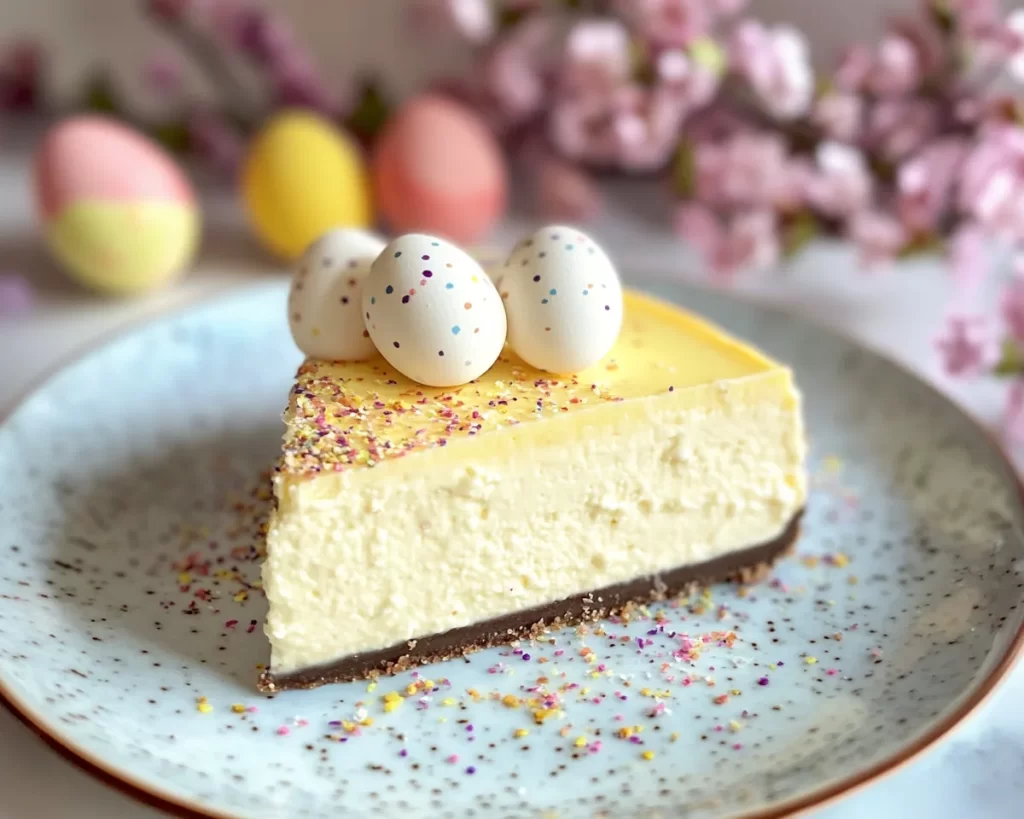
When the spring season rolls around, thoughts of celebration and special gatherings flourish. One dish that elegantly captures the spirit of these joyful occasions is the delightful Easter Vanilla Bean Cheesecake. Imagine cutting into a creamy, velvety slice adorned with a luscious vanilla bean flavor that transports you back to cherished moments spent with family. This cheesecake isn’t just a dessert; it’s a symbol of celebration, love, and culinary art that can enhance any holiday gathering or simple family dinner.
What makes this cheesecake so special? It’s not just a typical cheesecake; it embraces the delectable essence of rich, high-quality ingredients, such as fresh vanilla beans and cream cheese, to create a harmonious flavor profile. You’ll find that the creamy texture pairs beautifully with its buttery crust, making each bite an unforgettable experience. Whether you are an experienced baker or just starting out, this recipe will guide you through a seamless preparation and baking process. By the end, you’ll be equipped with tips on customizing, storing, and serving this fantastic dessert that will undoubtedly become a family favorite.
Whether you’re looking for that perfect Easter dessert or seeking a show-stopping treat for any occasion, you’ll learn everything you need to make an impressive Easter Vanilla Bean Cheesecake.
What Is Easter Vanilla Bean Cheesecake?
Easter Vanilla Bean Cheesecake is a classic dessert that combines rich creaminess with the distinctive flavor of vanilla beans. Originating from a blend of traditional cheesecake recipes, this version elevates the typical experience by featuring the fragrant seeds of fresh vanilla pods, giving it a robust and aromatic taste. Its smooth texture, achieved through the perfect balance of cream cheese and sour cream, is complemented by a buttery graham cracker crust that adds a satisfying crunch.
When served chilled, the cheesecake becomes a delightful treat that not only satisfies the sweet tooth but also impresses the guests with its elegant appearance. Topped with fresh berries or a drizzle of chocolate ganache, this dessert transforms into a centerpiece that can elevate any celebration. During Easter, it’s commonly enjoyed, symbolizing renewal and feasting with loved ones. Its luxurious flavor and ability to please even the most discerning palates make it a must-have for your spring festivities.
Beyond Easter, this cheesecake is versatile, able to celebrate various occasions, from birthdays to family gatherings. The combination of flavors and textures truly redefines what a cheesecake can be, allowing for endless creativity in presentation and serving styles.
Why You’ll Love This
There are numerous reasons to fall in love with the Easter Vanilla Bean Cheesecake. First and foremost is its incredible taste. The luscious creaminess, married with the iconic notes of real vanilla, creates a dessert that feels both indulgent and sophisticated. You won’t need to be a pastry chef to impress your guests—this cheesecake stands tall, offering a taste that exceeds its humble preparation.
In terms of ease, this recipe is straightforward enough for beginners while also having the flexibility to inspire creative modifications. You can adapt this cheesecake to suit various dietary preferences, such as gluten-free or dairy-free, by utilizing suitable substitutes, which ensures everyone can participate in enjoying this delightful treat. Additionally, the ingredients are budget-friendly, making it an excellent choice for families or those looking to celebrate without breaking the bank.
Another significant benefit is the versatility of this cheesecake. Not only is it a showstopper for Easter, but it suits nearly every season and occasion. Imagine serving it at a summer barbecue, a cozy fall gathering, or even as a luxurious dessert during holiday feasts. Addressing common misconceptions, many people believe that cheesecakes are challenging to make, but with this recipe, you’re equipped to create a delectable masterpiece without the fuss.
Ingredients You’ll Need
- Graham cracker crumbs: These serve as the base for the crust, providing a sweet, crunchy texture. You can substitute these with crushed digestive biscuits or gluten-free alternatives for a different flavor.
- Unsalted butter: This adds richness to the crust. Melt it before mixing to ensure a uniform texture.
- Sugar: Granulated sugar sweetens the filling and the crust. You can use brown sugar for a more caramel-like flavor in the crust.
- Philadelphia cream cheese: The star of our cheesecake. Ensure it’s at room temperature to avoid lumps in your filling.
- Sour cream: This ingredient adds creaminess and a slight tang, complementing the sweetness. Greek yogurt can serve as a healthier substitute.
- Vanilla beans: Freshly scraped from the pod, they provide an intense vanilla flavor. If unavailable, pure vanilla extract may be used, but the flavor will be slightly different.
- Eggs: They help bind the filling and provide a creamy structure as they bake. Room temperature eggs integrate better into the mixture.
- Heavy cream: This adds richness to the filling. You can substitute it with coconut cream if you’re looking for a non-dairy option.
This list not only covers essential ingredients but also provides tips and alternatives that can help you create a personalized cheesecake that meets everyone’s dietary preferences.
How to Make
1. **Prepare the crust:** Start by preheating your oven to 325°F (160°C). In a medium bowl, combine the graham cracker crumbs and melted unsalted butter, mixing until the crumbs are thoroughly coated and resemble wet sand. Press this mixture firmly into the bottom of a 9-inch springform pan. Ensuring it’s tightly packed will yield a solid foundation for your cheesecake.
2. **Pre-bake the crust:** Place the springform pan in the preheated oven and bake for about 10 minutes. You’ll know it’s done when it’s golden brown and a delightful aroma fills your kitchen. Once baked, remove it from the oven and let it cool while preparing the filling.
3. **Make the cheesecake filling:** In a large mixing bowl, beat the room-temperature cream cheese with an electric mixer on medium speed until smooth and creamy. This should take about 2-3 minutes. Add granulated sugar and mix until just combined, scraping down the sides as needed to ensure all ingredients are well incorporated.
4. **Incorporate the other ingredients:** Add in the sour cream, heavy cream, and vanilla bean seeds. Beat until smooth. Then, add the eggs one at a time, mixing well after each addition. Make sure not to overmix, as this can incorporate excess air into your cheesecake, leading to cracks.
5. **Pour the filling into the crust:** Once the filling is smooth and creamy, pour it gently over your cooled crust. This can be done using a spatula to avoid creating bubbles and to smooth the top.
6. **Bake the cheesecake:** Place the springform pan on a large baking sheet to catch any potential drips and transfer it to the oven. Bake for approximately 60 minutes, or until the edges are set, but the center still has a slight jiggle.
7. **Cool the cheesecake:** After baking, turn off the oven and crack the door open, allowing the cheesecake to cool gradually for about an hour. This helps to prevent cracking due to rapid temperature changes. Once cool, you can refrigerate the cheesecake for at least 4 hours, ideally overnight.
8. **Serve and enjoy:** Once set, carefully run a knife around the edges of the pan and release the springform. Slice into wedges, serve plain or topped with fresh fruit, whipped cream, or chocolate ganache, and watch as everyone enjoys this heavenly dessert!
Each step is crucial to ensure that your cheesecake not only tastes great but also has a beautiful, creamy texture. Don’t rush the cooling process; it plays a significant role in achieving the perfect result.
Variations & Substitutions
Gluten-Free Variation: To create a gluten-free version of this Easter Vanilla Bean Cheesecake, simply replace the graham cracker crumbs with gluten-free cookies or crushed almond flour. This provides a lovely nutty flavor, complementing the cheesecake, while ensuring those with gluten sensitivities can indulge as well. You will want to double-check labels on all ingredients to avoid hidden gluten sources, such as in certain sugar brands.
Chocolate Swirl Variation: For a chocolate lover’s dream, try adding a chocolate swirl to your cheesecake. Adapt the recipe by melting semi-sweet chocolate and drizzling it over the filling before baking. Use a knife or toothpick to swirl the chocolate through the cheesecake for a stunning marbled effect. This variation adds richness and makes it even more appealing to chocoholics, without compromising on the classic vanilla flavor.
Berry Topping Variation: During warmer months, fresh berries, such as strawberries, blueberries, or raspberries, can elevate your cheesecake to another level. Prepare a berry reduction by simmering fresh or frozen mixed berries with sugar and lemon juice until thickened. Drizzle this beautiful sauce over slices of cheesecake for an eye-catching presentation bursting with flavor.
Dairy-Free Variation: For those navigating dairy allergies or lactose intolerance, consider using alternatives. Replace cream cheese with a cashew cream or a commercial dairy-free cream cheese, and utilize coconut cream in place of heavy cream. Ensure your vanilla extract is alcohol-free if sensitive to trace amounts of dairy.
Fruit Cheesecake Variation: To switch up the flavor profile, consider adding pureed fruits like mango or pumpkin into the filling. This twist not only introduces new flavors but also infuses color into your dessert. Simply fold the fruit puree into the filling mixture before pouring it into the crust.
All these variations allow you to experiment and make the cheesecake your own while still beautifully aligning with the essence of Easter Vanilla Bean Cheesecake.
Common Mistakes to Avoid
Creating a perfect cheesecake can be tricky, but understanding common pitfalls can help ensure success. One common mistake is **overmixing the filling**. When mixing the ingredients, especially after adding eggs, be gentle and avoid excessive beating. Overmixing incorporates too much air into the batter, leading to cracks during baking.
Another aspect to consider is **not allowing the cheesecake to cool gradually** inside the oven. Rapid temperature changes can create a shock that results in splitting and cracking. Always let your cheesecake cool in the oven with the door cracked before moving it to the refrigerator.
Lastly, **underestimating the chilling time** can be detrimental to the texture. The cheesecake needs ample time to set in the refrigerator. Cutting it too soon may lead you to experience a runny filling rather than the creaminess you’d expect. Be patient and give it the time it deserves.
Storage, Freezing & Reheating Tips
Proper storage of your Easter Vanilla Bean Cheesecake ensures that it remains fresh and delicious for days to come. Store any uneaten cheesecake in an airtight container or wrap it tightly in plastic wrap before refrigerating. Ideally, it can last about 5-7 days.
For longer storage, freezing is an excellent option. To freeze, first allow the cheesecake to chill thoroughly in the refrigerator. After it is well set, slice it into individual portions and wrap each piece in plastic wrap or aluminum foil. Place the wrapped slices in a freezer-safe container or resealable freezer bag. The cheesecake can be frozen for up to three months. When you’re ready to enjoy it, transfer the slices to the refrigerator to thaw overnight, and they’ll be ready to serve the next day.
Always practice food safety; ensure that you store leftover cheesecake promptly after it has cooled down to avoid bacterial growth.
Frequently Asked Questions
Can I use a different type of crust for the cheesecake?
Absolutely! While graham cracker crust is traditional, you can get creative by using crushed cookies like Oreos, digestive biscuits, or even a nut-based crust for a gluten-free option. Each crust offers unique flavors that can enhance the overall profile of your cheesecake.
How can I tell when my cheesecake is done baking?
The best way to check is by observing the edges of the cheesecake. The edges should be set, while the center will have a slight jiggle. Remember, it will continue to cook slightly once removed from the oven due to residual heat.
Can I make this cheesecake ahead of time?
Yes! In fact, making the cheesecake a day in advance allows the flavors to meld and the texture to set properly. Wrap it tightly and store it in the refrigerator. It makes the perfect option for busy schedules during holiday preparations.
What can I use if I don’t have fresh vanilla beans?
If fresh vanilla beans are unavailable, feel free to use pure vanilla extract as a substitute. Typically, one teaspoon of extract is equivalent to one vanilla bean. While the flavor won’t be quite as complex, it will still provide wonderful vanilla notes to your cheesecake.
Can I add flavors to the cheesecake filling?**
Absolutely! You can experiment by folding in various flavors such as lemon zest, almond extract, or even a hint of cocoa powder to create delightful variations. Just be sure to balance the amounts to maintain the integrity of the cheesecake.
Conclusion:
This Easter Vanilla Bean Cheesecake is not only a visual treat but also a symphony of flavors and textures that caters to various dietary needs and personal preferences. By carefully selecting quality ingredients and following the steps outlined, you can create a dessert that will leave everyone at your table craving more.
Don’t hesitate to try your hand at customizing this recipe with the variations provided, whether to cater to dietary restrictions or simply to experiment with flavors. Share this lovely dessert with friends and family, and let its irresistible charm bring warmth and joy to your celebrations. Ready to lift your dessert game? Bake this cheesecake and watch as it becomes the highlight of your spring gatherings!