Prep time: 30 minutes
Cook time: 45 minutes
Total time: 1 hour 15 minutes
Servings: 12
Easter is a time for celebration, family gatherings, and, of course, indulging in delicious desserts that bring warmth and joy. One such dessert that takes center stage during this festive season is the iconic Easter Carrot Cake with Cream Cheese Frosting. As you take that first bite, the flavor combination of sweet carrots, warming spices, and the silky goodness of cream cheese frosting transports you to a joyful place filled with springtime nostalgia. This recipe is special not just because of its vibrant appearance, but also due to its rich history and the delightful story that it tells with every slice. In this article, you will learn not only how to create this beloved cake but also some pivotal tips, variations, and answers to common questions that will make your baking experience more enjoyable.
What Is Easter Carrot Cake with Cream Cheese Frosting?
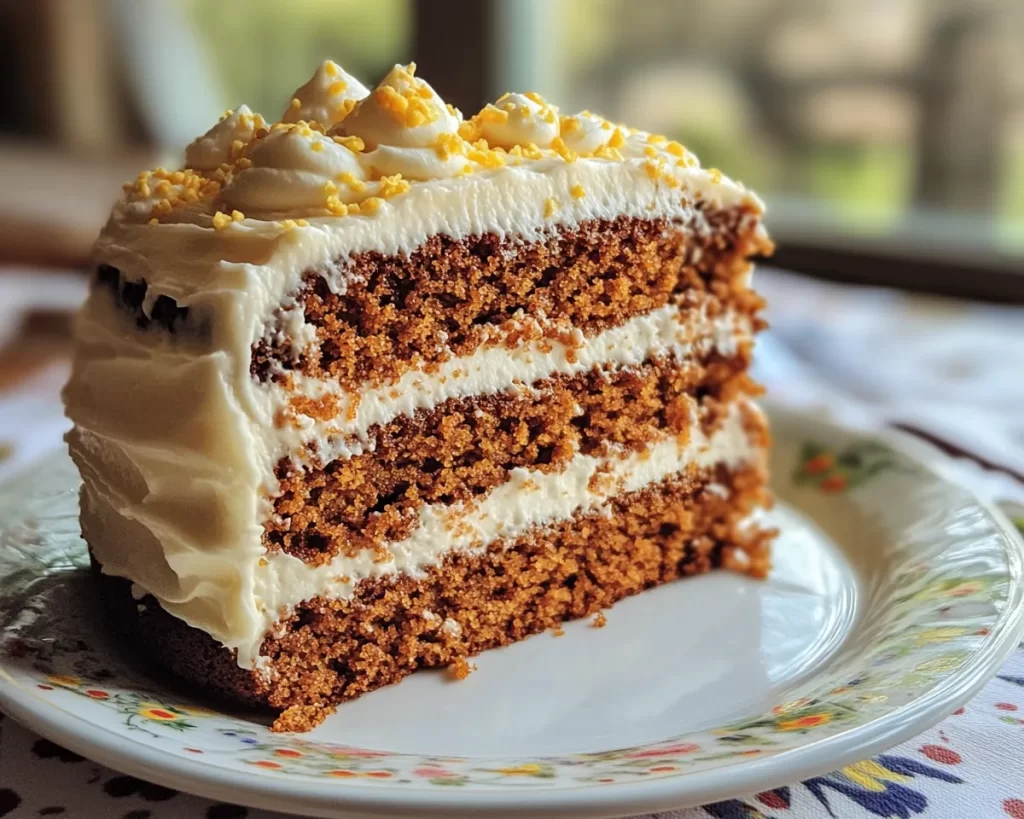
Easter Carrot Cake is a delightful dessert that captures the essence of spring. Traditionally made with finely grated carrots, this cake has its origins rooted in medieval Europe where sweet cakes made with grated carrots were a common treat. The cake showcases a beautiful texture that is moist and dense due to the carrots, which also add a natural sweetness that complements the warm spices typically found in this recipe. The flavors are enriched with a blend of cinnamon and nutmeg, giving it a cozy aroma that is perfect for family gatherings or festive occasions.
The key ingredient in this cake, the carrot, not only contributes to its flavor but also adds to its nutritional value. Carrots are high in fiber and beta-carotene, a precursor to vitamin A, making this dessert not only delicious but also a tad bit healthier compared to other indulgent sweets. Topped with a luscious cream cheese frosting, the cake becomes an irresistible combination of sweet and tangy notes that harmonize beautifully. The frosting adds a rich, creamy texture that enhances the overall enjoyment of the cake. With each bite, you get a delightful contrast between the soft, moist cake and the smooth, velvety frosting.
Why You’ll Love This
There are numerous reasons to fall in love with Easter Carrot Cake with Cream Cheese Frosting. First and foremost, its taste is truly exceptional. The natural sweetness of the carrots, combined with the aromatic spices, creates a flavor profile that is much loved by both children and adults alike. The cream cheese frosting elevates the cake to new heights, making each slice feel like a special treat.
Moreover, this recipe is surprisingly easy to make, making it an excellent choice for both novice and experienced bakers. You don’t have to be a professional to whip up a beautifully moist cake that impresses your family and friends. Additionally, the ingredients used in this cake are typically easy to find and cost-effective, perfect for busy parents or anyone cooking on a budget.
Many people might think that carrot cake is overly complicated or might turn out dry, but those fears can be laid to rest with this recipe. By following a few simple steps, you will avoid common pitfalls that might scare beginners away. The moistness of the cake is well-maintained through the inclusion of oil, and by ensuring the carrots are finely grated, you will achieve a perfect texture. This cake is also an incredibly versatile dessert; you can easily customize it by adding nuts or raisins, or even trying out different variations as discussed later in this article.
Ingredients You’ll Need
To create this delectable Easter Carrot Cake, gather the following ingredients:
- 2 cups all-purpose flour: Forms the cake base and provides structure. You can substitute with whole wheat flour for an added nutritional boost.
- 2 cups granulated sugar: Adds sweetness. You can experiment with brown sugar for a little more depth of flavor.
- 1 teaspoon baking powder: Helps the cake rise and create a light texture.
- 1 teaspoon baking soda: Works in conjunction with baking powder for optimal leavening.
- 1 teaspoon ground cinnamon: Essential for that warm spice flavor.
- ½ teaspoon ground nutmeg: Adds a hint of warmth and complexity.
- ½ teaspoon salt: Balances sweetness and enhances flavor.
- 1 cup vegetable oil: Keeps the cake moist. You can use unsweetened applesauce as a healthier alternative.
- 4 large eggs: Provides structure and stability to the cake. You can use flax eggs for a vegan option.
- 3 cups grated carrots: The star ingredient that adds sweetness and moisture.
- 1 cup crushed pineapple (drained): Enhances moisture and contributes subtle sweetness. This is optional.
- 1 cup chopped walnuts or pecans (optional): Adds a delightful crunch and nuttiness.
Each ingredient plays a crucial role in achieving the perfect texture and flavor, so be sure to source high-quality products for the best results.
How to Make
Now, let’s dive into the step-by-step process of creating this scrumptious cake. Follow these detailed instructions for a delightful Easter Carrot Cake.
- Preheat your oven: Set your oven to 350°F (175°C). This is essential as it helps create the ideal baking environment for your cake, ensuring it rises perfectly and maintains moisture.
- Prepare your cake pans: Grease and flour two 9-inch round cake pans. You can also line the bottoms with parchment paper to ensure easy removal after baking. This step helps prevent the cake from sticking and losing its shape.
- Mix dry ingredients: In a large mixing bowl, combine the flour, sugar, baking powder, baking soda, cinnamon, nutmeg, and salt. Whisk them together until fully integrated, ensuring even distribution of the leavening agents and spices for a uniform texture.
- Combine wet ingredients: In a separate large bowl, whisk together the vegetable oil and eggs until well combined. The mixture should look slightly bubbly. If you’re using applesauce as a substitute for oil, mix it well until no lumps remain.
- Add dry to wet: Gradually pour the dry mixture into the wet ingredients. Stir with a spatula or wooden spoon until just combined. Be careful not to overmix; a few lumps are okay! Overmixing can lead to a dense cake.
- Incorporate the carrots: Gently fold in the grated carrots, crushed pineapple, and nuts (if using) into the batter. This is where you’ll see your cake batter come together, and the vibrant color will make your mouth water!
- Pour into prepared pans: Divide the batter evenly between the two prepared cake pans. Give each pan a gentle tap on the countertop to eliminate any air bubbles; this ensures an even bake.
- Bake the cakes: Place the pans in the preheated oven and bake for 30–35 minutes, or until a toothpick inserted in the center comes out clean. The lovely aroma of spices will fill your kitchen, making it hard to wait!
- Cool the cakes: Once baked, allow the cakes to cool in the pans for about 10 minutes. Then, transfer them to a wire rack to cool completely. Cooling is crucial as it helps maintain the structure of the cake.
- Make the cream cheese frosting: In a medium mixing bowl, beat together 8 oz. of cream cheese, ½ cup of unsalted butter (softened), 4 cups powdered sugar, and 1 teaspoon vanilla extract until smooth and creamy. Ensure that your ingredients are at room temperature for a lump-free frosting.
- Assemble the cake: Once the cakes are completely cooled, place one layer on a serving plate. Generously spread a layer of cream cheese frosting on top. Place the second layer on top and ice the entire cake, making it look as beautiful as it tastes. You can create decorative swirls or use leftover frosting to pipe designs.
- Serve and enjoy: Slice the cake into pieces and enjoy with your family and friends. Serve it at room temperature for the best flavor and texture.
Each step captures not just the process of baking but also the joy of creating something delightful for your loved ones. Give yourself a pat on the back once you’re done!
Variations & Substitutions
Gluten-Free Carrot Cake: If you or someone you know is gluten-sensitive, you can easily convert this recipe into a gluten-free option by substituting the all-purpose flour with a 1:1 gluten-free flour blend. This ensures that not only does it cater to dietary restrictions, but you will also enjoy a remarkably similar taste and texture. Additionally, adding a tablespoon of almond flour can enhance the overall flavor, making it nutty and delightful.
Vegan Carrot Cake: For those following a vegan lifestyle, replace the eggs with flax eggs (1 tablespoon of ground flaxseed mixed with 3 tablespoons of water per egg) and substitute the vegetable oil using ¾ cup of unsweetened applesauce. This version still retains moistness and flavor while being completely plant-based. Be sure to choose a vegan cream cheese for the frosting or simply make a vegan chocolate glaze for a fun twist!
Spiced Nut Carrot Cake: Boosting the nutty flavor and texture, consider adding 1 cup of a mixture of walnuts and pecans to the batter. You can also sprinkle some chopped nuts on top of the frosting for that extra bite. This variation will give the cake a delightful crunch, making every bite interesting.
Pineapple Coconut Carrot Cake: Adding shredded coconut along with the crushed pineapple gives the cake an island flair. This tropical twist makes the cake extra moist and adds a sweet richness that complements the flavors beautifully. For best results, use fresh coconut for a more vibrant taste.
Each variation offers a unique twist on the traditional Easter Carrot Cake, allowing it to fit any occasion or dietary preference. Feel free to experiment!
Common Mistakes to Avoid
Baking is as much a science as it is an art, which means that small changes during the process can lead to significant differences in the outcome. Here are some common pitfalls to steer clear of:
Overmixing the batter: This can result in a tough cake texture. As soon as you see that the wet and dry ingredients are combined (with a few lumps), you should stop mixing. A light hand is key for a delicate crumb.
Using old or improper ingredients: Always use fresh baking powder and baking soda. Expired leavening agents will not rise properly. Also, be mindful of greasing and flouring your pans thoroughly to prevent sticking.
Incorrect oven temperature: An oven thermometer can be a worthwhile investment. Baking at the wrong temperature can result in undercooked or overcooked cakes. Knowing your oven’s true temperature helps achieve the best results.
Not cooling properly: Undercooling or using the cake while it’s still warm can lead to a soggy frosting. Make sure the cake layers are completely cool before frosting.
By simply being mindful of these pitfalls, you can bake the perfect Easter Carrot Cake that will impress everyone.
Storage, Freezing & Reheating Tips
Proper storage of your Easter Carrot Cake ensures that it remains fresh and delicious for days to come. After frosting, if you have leftover cake, store it in an airtight container at room temperature for up to three days. However, if your kitchen tends to be warm, it’s best to refrigerate it to maintain its texture and flavor.
If you’re looking to keep the cake for a more extended period, consider freezing it. To do this, wrap each layer tightly in plastic wrap, then place it in a freezer-safe bag. Frozen carrot cake can be stored for up to three months. When ready to enjoy, thaw the layers in the refrigerator overnight before frosting.
If you have leftover frosted cake, it’s a bit trickier. You can freeze individual slices by placing them on a baking sheet until solid, then transferring them to an airtight container, separating each layer with parchment paper. For reheating, simply let the slice sit at room temperature until softened, or gently warm it in the microwave.
Always remember to adhere to food safety best practices; refrigerate any leftover cream cheese frosting promptly to avoid spoilage!
Frequently Asked Questions
Can I make this cake ahead of time?
Yes, you can prepare the cake layers a day in advance. Allow them to cool completely, wrap them tightly in plastic wrap, and store them in the fridge. Frost just before serving to maintain freshness.
Why is my carrot cake dense?
A dense texture often comes from overmixing the batter, which develops gluten in the flour, making it tougher. Ensure you mix just until combined and avoid longer mixing times.
How do I know when my cake is done baking?
The best test for doneness is to insert a toothpick into the center of the cake. If it comes out clean or with a few moist crumbs, it’s perfect. If there is wet batter on the toothpick, it’s not ready yet.
Can I use other types of flour?
Absolutely! While all-purpose flour is the standard, you can use whole wheat flour or even almond flour for different flavors and textures. Just be aware that each type might slightly affect the final result.
What can I substitute for cream cheese in the frosting?
You can use mascarpone cheese for a richer flavor, or use whipped coconut cream for a dairy-free option. Another alternative is to make a simple buttercream icing with butter and powdered sugar.
Conclusion:
Easter Carrot Cake with Cream Cheese Frosting is more than just a dessert; it’s a celebration of flavors and memories that can be shared with loved ones. With its moist texture, fragrant spices, and rich frosting, this cake is sure to become a staple at your spring gatherings. Don’t hesitate to customize it to fit your family’s taste or dietary preferences. Give this recipe a try, savor each moment while baking, and share your creations with those around you. Your loved ones will appreciate the effort, and you’ll be amazed at how effortlessly this fragrant, delightful cake becomes a cherished tradition in your home. Enjoy every sweet slice!