Prep time: 20 minutes
Cook time: 1 hour 30 minutes
Total time: 1 hour 50 minutes
Servings: 6
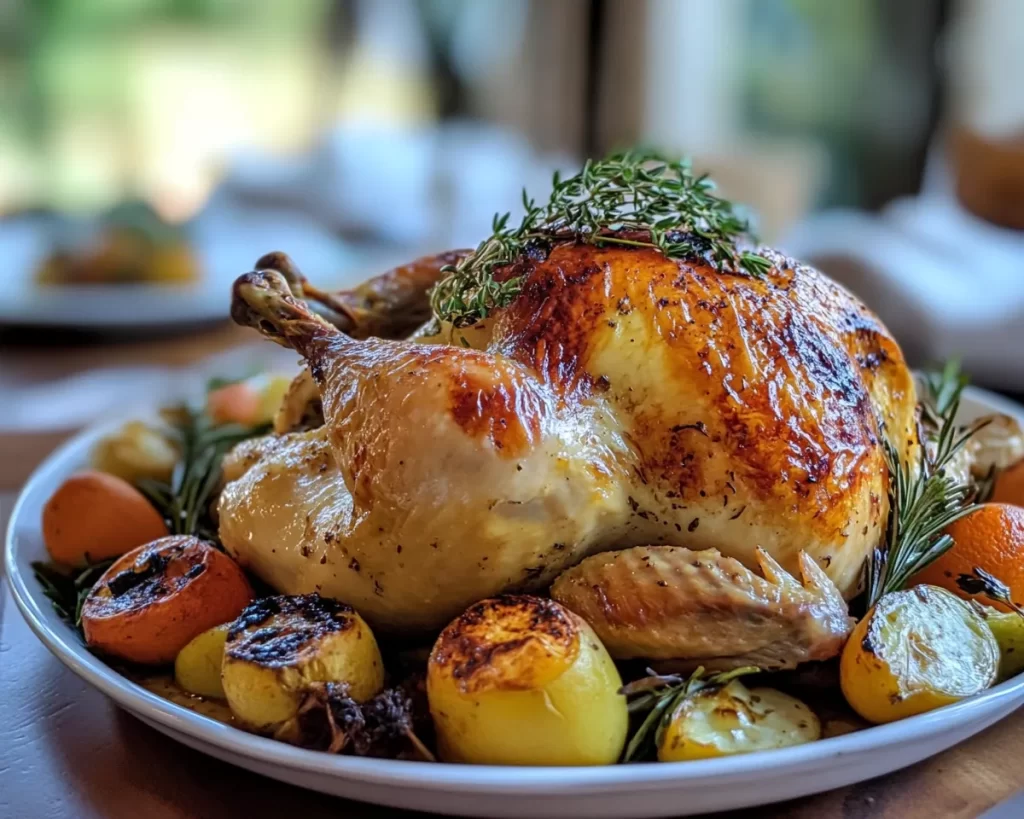
Imagine a warm and inviting kitchen filled with the delectable aroma of a perfectly roasted chicken, golden brown and crisp on the outside while tender and juicy on the inside. This is the essence of an Easter Roasted Chicken Dinner. This recipe brings together the flavors of fresh herbs, zesty citrus, and a hint of sweetness, making it an ideal choice for family gatherings, celebrations, or simply a cozy dinner at home. What sets this dish apart is not only its amazing taste but also its ability to fill your home with love and warmth, reminiscent of cherished moments shared around the dinner table.
In this article, you will learn how to create an Easter Roasted Chicken Dinner that will impress your family and friends. You’ll discover not only the step-by-step cooking process but also tips for achieving the perfect roast and ideas for making it your own. By the end of this recipe, you’ll feel confident in your cooking skills and ready to serve up a beautiful meal that will leave everyone talking long after the plates are cleared.
What Is Easter Roasted Chicken Dinner?
Easter Roasted Chicken Dinner typically features a whole chicken that is seasoned, stuffed, and roasted, embodying traditional flavors associated with springtime celebrations. The dish has roots in many cultures, where roasting a chicken is often a festive way to bring family together. The key elements include a beautifully browned skin that hints at the crispy texture to come, paired with juicy meat seasoned to perfection.
The flavor profile is a delightful mix of aromatic herbs—like rosemary and thyme—enhanced by the natural sweetness of garlic and citrus. Each bite of the chicken is tender and succulent, with the herbaceous notes lingering delightfully on the palate. The dish is often accompanied by seasonal vegetables or flavorful sides, making it a complete meal that satisfies both the heart and the taste buds.
Why You’ll Love This
There are numerous reasons why you’ll appreciate making an Easter Roasted Chicken Dinner. For starters, the taste is simply divine; the combination of herbs, garlic, and citrus creates an aromatic experience that tantalizes the senses. Not only does this recipe offer a delightful flavor, but it’s also incredibly easy to prepare, making it suitable for both novice cooks and seasoned chefs.
Cost-wise, roasting a whole chicken can be more economical than preparing individual servings of meat. It provides excellent value while still presenting as a gourmet dish. Beyond its affordability, this recipe allows for versatility. You can mix and match ingredients according to dietary preferences or what you have available, making it easy to customize without sacrificing the overall experience.
Common mistakes can be easily avoided. For instance, some may overcook the chicken and lose that tender, juicy texture, or they may not season enough, resulting in blandness. But fear not; the steps provided will guide you seamlessly through the entire process, ensuring that you achieve a flavorful and satisfying Easter Roasted Chicken Dinner every time.
Ingredients You’ll Need
- Whole Chicken: The star of the dish, about 4-5 pounds is ideal. You can substitute with a capon or bump up the flavor with a heritage breed for a richer taste.
- Olive Oil: Used for marinating the chicken, it helps achieve a crispy skin and holds herbs together. For a different flavor, try melted butter.
- Garlic: Fresh garlic adds depth. If you adore garlic, feel free to add more cloves for increased flavor.
- Fresh Herbs: A mix of rosemary, thyme, and sage lends flavor. Dried herbs can work in a pinch but use about a third of the amount.
- Citrus: Lemons or oranges are often used for their zest and juice, contributing a refreshing brightness. Substitute with limes or even savory grapefruits for an interesting twist.
- Vegetables: Carrots, potatoes, and onions not only flavor the bird but create a delectable side as they roast. Feel free to choose other seasonal veggies based on availability.
- Salt & Pepper: Essential for seasoning, use kosher salt for better dispersion and freshly cracked black pepper for enhanced taste.
How to Make
- Prepare the Chicken: Preheat your oven to 425°F (220°C). Ensure your whole chicken is clean and patted dry using paper towels. Make sure to remove the giblets from the cavity if they are present. A dry chicken skin will result in a crispier finish. This initial step is crucial, as moisture can inhibit the browning process.
- Season Generously: In a mixing bowl, combine olive oil, minced garlic, chopped herbs, salt, and pepper. Rub this mixture all over the chicken’s outer skin as well as inside the cavity. Don’t skimp on this step; a generous coating will enhance the flavors immensely. If you’ve opted for herbs or oil variations, follow the same method to ensure even distribution.
- Stuff the Chicken: Cut citrus fruit into quarters and stuff the inside of the chicken along with a few sprigs of fresh herbs. This infuses the meat with moisture and an aromatic essence as it cooks. It’s an easy way to elevate the flavor profile without much effort. Make sure not to overpack the cavity, as the heat needs to circulate around for even cooking.
- Prepare the Vegetable Bed: In a roasting pan, arrange any vegetables you’re using, such as quartered potatoes, carrots, and slices of onion. Drizzle them with olive oil, salt, and pepper. These vegetables will soak up the chicken juices and become incredibly flavorful as they roast. Spread them out to ensure even cooking and to accommodate the chicken comfortably.
- Roast the Chicken: Place the chicken breast-side up onto the vegetable bed and transfer the pan to the preheated oven. Roast for about 1 hour and 30 minutes or until the internal temperature reads 165°F (74°C) when tested at the thickest part of the thigh. It’s a good idea to check the chicken after an hour, and if the skin is browning too quickly, cover it loosely with foil to prevent burning.
- Rest Before Serving: Once cooked, remove the chicken from the oven and let it rest on a cutting board for at least 15 minutes before carving. This allows the juices to redistribute, making for moist and flavorful servings. Meanwhile, you can prepare the pan drippings as a sauce if desired. Simply strain the rendered fat and mix with a splash of chicken broth for an easy gravy.
Variations & Substitutions
Herb-Butter Roasted Chicken: For a richer flavor, instead of olive oil, create a herb-infused butter to rub under the skin. Use unsalted butter mixed with chopped herbs along with minced garlic to achieve depth. This variation will result in a decadent, buttery taste as the fat permeates the meat. Perfect for special occasions!
Spicy Roasted Chicken: If you enjoy a little kick, consider marinating the chicken in a blend of olive oil, garlic, cayenne pepper, and smoked paprika. This will impart a smoky flavor with a spicy finish. This variation is wonderful for those who appreciate bold flavors, and you can even add chopped peppers to the vegetable mix for an extra punch.
Citrus Herb Chicken: Want to brighten up the flavor even more? Use a mix of oranges, blood oranges, and lemons. The sweet and zingy juices create a vibrant flavor profile that works beautifully with roast chicken. This variation is perfect for spring celebrations, connecting to the seasonal vibes of Easter.
Vegetarian Alternative: For those who prefer a plant-based option, consider using stuffed bell peppers or eggplant as the main dish. Season with the same herbs and citrus flavors to maintain that festive essence. You can stuff them with quinoa, beans, and vegetables for a hearty meal. This modification ensures everyone at the table can enjoy a flavorful dish.
Common Mistakes to Avoid
One of the most common mistakes is not adequately seasoning the chicken, which can lead to bland flavors. Remember, the seasoning should counterbalance the chicken’s natural flavors; thus, a generous application is vital. Always taste the marinade to ensure it’s to your liking before applying it.
Another common oversight is overcooking the chicken, resulting in dried-out meat. Always use a meat thermometer to check for doneness, ensuring you reach that perfect internal temperature of 165°F (74°C) without going over. Additionally, letting the chicken rest post-roasting is essential. Cutting too soon can release juices and lead to dryness.
Lastly, avoid skipping out on the vegetables. They not only add flavor but also serve as a beautiful side dish. If you fail to include them, you miss out on a fantastic opportunity to flavor your meal and provide nutritious, colorful accompaniments.
Storage, Freezing & Reheating Tips
For storage, allow any leftovers to cool completely before transferring them to airtight containers. The chicken will stay fresh in the refrigerator for up to 3 to 4 days. You can shred or slice the chicken, making it easy to use in salads, sandwiches, or casseroles throughout the week.
If you’d like to extend your leftovers further, consider freezing the chicken. Make sure to wrap it tightly in plastic wrap and then place it in a freezer-friendly container. Label the container with the date for easy identification later. Frozen chicken can be kept for up to 4 months without significant loss of flavor or texture.
When it’s time to reheat, either thaw in the refrigerator overnight or microwave on low power to prevent drying out. Oven reheating is preferable if you’d like to maintain the crispy skin. Preheat your oven to 350°F (175°C), cover the chicken loosely with foil, and heat for approximately 20 to 30 minutes or until warmed through.
Frequently Asked Questions
Can I use a different type of meat for this recipe? Yes, while this recipe features chicken as the main ingredient, you can use similar methods for other meats like turkey or duck. Be mindful to adjust cooking times based on the weight and thickness of the meat. This recipe’s flavor profile works well with differing meats when seasoned properly.
What’s the best way to ensure my chicken doesn’t dry out? The best approach is to monitor your cooking time closely and use a meat thermometer. Aim for 165°F (74°C) in the thickest part of the chicken. Additionally, allowing the chicken to rest for at least 15 minutes before carving helps keep it juicy.
How do I make gravy from the pan drippings? To create a delicious gravy, start by draining the pan drippings into a saucepan, discarding excess fat if necessary. Add a bit of flour to the drippings over medium heat while whisking to create a roux. Gradually stir in chicken broth until the desired consistency is achieved, season to taste.
Can I prepare the chicken ahead of time? Absolutely! You can marinate the chicken the night before. Just cover and refrigerate it overnight, allowing the flavors to develop. This pre-preparation can save time and elevate flavor, especially for family gatherings.
What side dishes pair well with Easter Roasted Chicken Dinner? Roasted vegetables, creamy mashed potatoes, or a refreshing spring salad work beautifully alongside the chicken. Feel free to accompany it with seasonal sides like asparagus for a colorful and satisfying meal.
Conclusion:
The Easter Roasted Chicken Dinner is more than just a meal; it’s a celebration of flavors, family, and cherished moments together. Whether you are hosting a festive gathering or simply preparing a nourishing dinner at home, this recipe is bound to impress. Remember, the beauty of this dish is in its simplicity and versatility. Feel free to customize the flavors to suit your taste. Encourage yourself to try this delightful recipe and share the joy it brings. Your family will be looking forward to this feast year after year!