Prep time: 10 minutes
Cook time: 20 minutes
Total time: 30 minutes
Servings: 4
Indulging in a wholesome meal doesn’t have to mean sacrificing flavor. One dish that epitomizes this balance is Healthy Baked Salmon with Dijon. Imagine flaky, tender salmon that melts in your mouth, paired with a zesty Dijon mustard glaze that awakens your taste buds. The vibrant colors and aroma of this dish can instantly transport you to your favorite seaside restaurant, minus the hefty price tag. Whether you are a busy parent looking for a quick weeknight dinner or a novice in the kitchen wanting to impress friends, this recipe comes to the rescue.
In the following sections, you will discover the essence of this dish, why it deserves a spot in your weekly meal rotation, and how to make it effortlessly. You will also find tips for variations to cater to your taste, common missteps to avoid, and answers to questions you might have.
What Is Healthy Baked Salmon with Dijon?
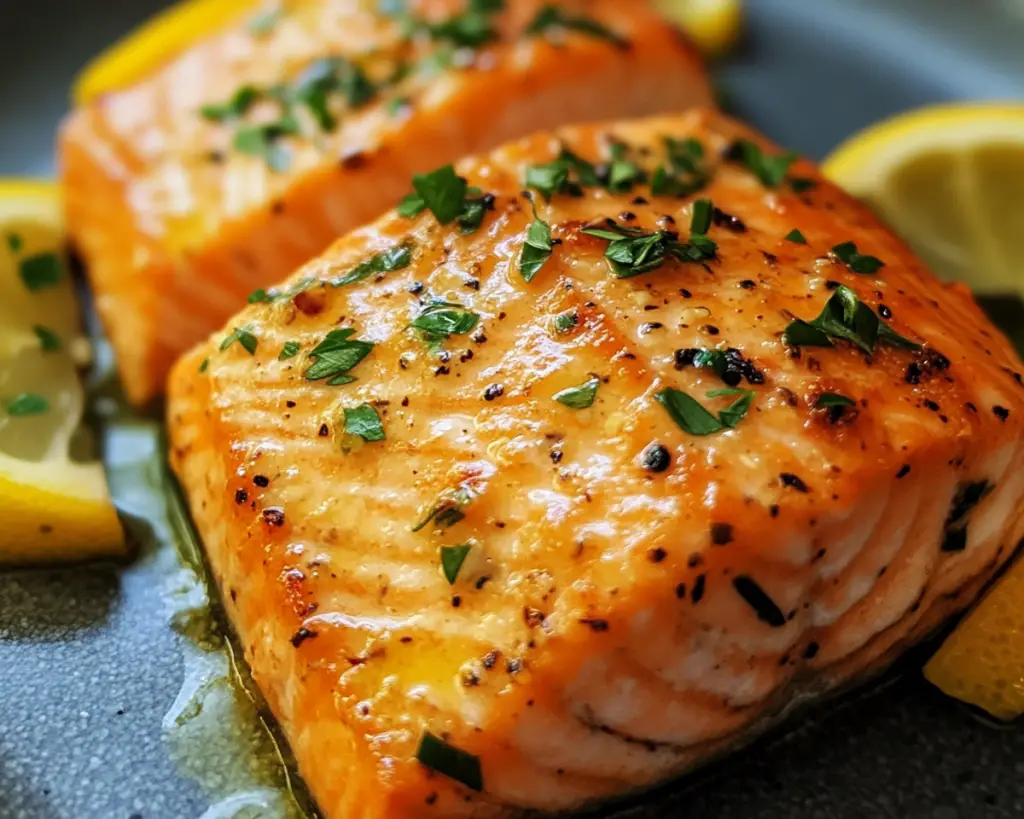
Healthy Baked Salmon with Dijon is a delightful meal that showcases the beautiful simplicity of fish—particularly salmon. This dish combines the natural richness of salmon with a tangy and slightly sweet glaze made from **Dijon mustard**. The origins of this dish can be traced to various cuisines that celebrate seafood, especially those that prioritize healthy cooking methods. Baked salmon, in general, retains its moisture while developing a slight crisp on the outside, allowing for an incredible contrast in texture.
The flavor profile is anchored by these key ingredients: succulent salmon, pungent Dijon mustard, a hint of garlic, and a splash of lemon juice. The combination produces a robust flavor that cuts through the richness of the fish, making it a standout option for any dinner. Not only is this dish delicious, but it’s also incredibly nutritious, providing a generous serving of omega-3 fatty acids that are essential for heart health.
As you delve deeper into the making of this dish, you will find that it’s a celebration of fresh ingredients and straightforward cooking techniques. This is a dish that makes you feel good not just about what you’re eating, but also how you’re preparing it.
Why You’ll Love This
You will love Healthy Baked Salmon with Dijon for a multitude of reasons. First and foremost, it is an incredibly flavorful dish that appeals to both seasoned food lovers and those less familiar with cooking fish. The **ease of preparation** allows you to get a healthy dinner on the table in under 30 minutes, making it a perfect option for busy weeknights. Moreover, salmon is often more affordable than other types of seafood, especially if you have access to fresh or frozen varieties.
Additionally, the health benefits are significant. Salmon is packed with protein and essential fatty acids, making it a great meal for anyone looking to maintain a balanced diet. You might have been led to believe that healthy meals lack flavor; this dish shatters that misconception. The zing from the **Dijon mustard** and freshness from lemon create a harmony that keeps you coming back for more.
If you’ve struggled with overcooking fish in the past, this recipe helps alleviate that fear with a straightforward approach. Not only will you be able to enjoy the delightful taste, but you will also feel accomplished having created a beautiful, restaurant-quality dish in your own kitchen.
Ingredients You’ll Need
- Salmon fillets: The star ingredient, rich in flavor and nutrients.
- Dijon mustard: Provides a sharp, zesty flavor that enhances the dish.
- Garlic cloves: Fresh garlic adds depth and a warm aroma.
- Lemon juice: Brightens up the dish and balances the richness of the salmon.
- Olive oil: Keeps the fish moist during baking while imparting a subtle flavor.
- Salt and pepper: Essential for bringing out the natural flavors of the ingredients.
- Additions like fresh herbs (e.g., dill, parsley): optional for garnishing and extra flavor.
Each ingredient serves a purpose. The **Dijon mustard** is crucial because it not only adds flavor but also helps keep the fish moist while cooking. If you don’t have Dijon on hand, you can substitute it with yellow mustard or even a mixture of mayonnaise and vinegar for a creamy alternative.
Fresh garlic is an essential flavor layer; if you’re pressed for time, **minced garlic from a jar** will work as well. Lemon juice adds acidity, enhancing the overall tasting experience and balancing the richness of the fish. Extra virgin **olive oil** enriches the dish, and if you wish for a healthier option, you can lightly brush the salmon with cooking spray instead.
How to Make
1. **Preheat your oven** to 375°F (190°C). This ensures that the salmon cooks evenly. While the oven warms, you can prepare your glaze.
2. **In a small bowl**, combine 3 tablespoons of **Dijon mustard**, 2 minced garlic cloves, 1 tablespoon of **olive oil**, and the juice of 1 lemon. Mix them well until fully combined. This will form your glaze, which will coat the salmon to keep it moist while infusing it with flavor.
3. **Place the salmon fillets** on a lined baking sheet with the skin side down. If you prefer a crispy top, you can remove the skin beforehand or leave it on for added texture.
4. **Coat each salmon fillet** generously with the Dijon glaze. Use a brush or the back of a spoon to spread it evenly across the surface. Make sure each piece is well-covered to enjoy the full flavor experience.
5. **Season with salt and pepper** to taste. These basic seasonings elevate the dish, enhancing the natural flavors of the salmon.
6. **Bake in the preheated oven** for approximately 15-20 minutes. The fish should turn opaque and flaky yet still moist. If desired, you can use a meat thermometer to ensure it’s cooked to an internal temperature of 145°F (63°C).
7. **Optional:** For a delightful finish, turn on the broiler for the last 2-3 minutes of cooking. Keep a close watch to prevent burning. This will add a touch of caramelization to the glaze, intensifying the flavors.
8. **Remove the salmon from the oven** and let it rest for a few minutes. This will allow the juices to redistribute, ensuring your fish stays juicy.
9. **Serve warm**, garnished with fresh herbs if desired. This adds not only aesthetic appeal but also a fresh burst of flavor.
The beauty of this recipe lies in its simplicity and the ability to create a delicious meal that is both quick and satisfying.
Variations & Substitutions
Honey-Mustard Variation: If you prefer a **sweeter** taste, consider adding a tablespoon of honey to the mustard mixture. This will balance the tanginess of the Dijon and create a wonderfully harmonious flavor. Ideal for those who enjoy a hint of sweetness on their fish, this variation works exceptionally well with a side of roasted vegetables or a light salad.
Herb-Crusted Salmon Variation: For an enhanced flavor profile, substitute half of the Dijon with fresh **chopped herbs** like dill or parsley. This not only adds color but also fresh aromas. If you’re serving this dish to someone who loves herbs, they will appreciate this twist, making it fresher and even more vibrant.
Spicy Asian Variation: If you like a bit of heat, mix in **sriracha** or **chili paste** with the Dijon mustard. This spicy version offers a kick that pairs beautifully with steamed rice and sautéed green beans, providing a **fusion dining experience** that excites the palate.
Lemon Pepper Variation: For a lighter touch, you can simply mix lemon zest, **black pepper**, and a hint of garlic with the mustard. This will keep the recipe light yet flavorful. Use this version during summer months when fresh lemon is plentiful and adds to the freshness of your meal.
Vegetarian Option: If the idea of salmon does not appeal, you can try the same method on **tofu** or **tempeh**. Marinate cubed tofu in the same Dijon mixture and bake following the same method for a plant-based alternative. It will absorb the flavors well and serve as a satisfying substitute.
These variations not only offer options for diverse palates but also present an opportunity for you to experiment in your kitchen. You might discover a new favorite that you can add to your culinary repertoire.
Common Mistakes to Avoid
One common mistake people make when baking salmon is **overcooking** it. Overbaked salmon can become dry and unappetizing. To avoid this, closely monitor the cooking time and consider using a meat thermometer. This helps ensure the internal temperature reaches about 145°F while remaining moist.
Another error involves not seasoning the fish adequately. Remember that **salt** and **pepper** are crucial; they help enhance the natural flavor of salmon. If your fillets are under-seasoned, the dish may taste bland. Don’t shy away from seasoning generously.
Lastly, make sure your oven is fully preheated before placing the salmon inside. When you put cold salmon into an unheated oven, it will not cook evenly and may end up underdone, which is a major health concern. Preheating guarantees the fish cooks evenly and to perfection.
Avoiding these pitfalls will allow you to enjoy an amazing dish that not only tastes great but also showcases your cooking skills.
Storage, Freezing & Reheating Tips
To ensure the longevity of your Healthy Baked Salmon with Dijon, proper storage is essential. After cooking, if you have leftovers, allow them to cool for about 30 minutes. Next, transfer the salmon into an airtight container and store it in the refrigerator. Properly stored, your salmon can last for up to **3 days**.
For longer storage, consider freezing it. Wrap each piece tightly in **plastic wrap** and then place it in a freezer bag, removing as much air as possible. This helps prevent freezer burn. The salmon can be frozen for up to **three months**.
When ready to eat, the best way to reheat salmon is to place it in the oven at a low temperature (around 275°F or 135°C) for about 10-15 minutes, or until it warms through. This method helps retain moisture and prevents the fish from becoming rubbery.
Using a microwave is not ideal, as it can easily overcook salmon if you’re not careful. If you must use a microwave for convenience, place the salmon on a microwave-safe dish, cover it with a damp paper towel to retain moisture, and heat in short bursts.
Following these storage tips will ensure that you can enjoy this delicious dish again without sacrificing taste and quality.
Frequently Asked Questions
Can I use frozen salmon for this recipe?
Yes, you can use frozen salmon fillets for this recipe. Just make sure to thaw them completely in the refrigerator beforehand to ensure they cook evenly. Avoid cooking from a frozen state to prevent the exterior from cooking while the inside remains raw.
What sides pair well with baked salmon?
There are numerous great sides that can complement Healthy Baked Salmon with Dijon. Roasted vegetables, like asparagus or Brussels sprouts, are wonderful, as their earthiness balances the richness of the salmon. Quinoa or brown rice make for hearty, nutritious sides, adding fiber and texture to your meal.
Can I substitute Dijon mustard with something else?
Absolutely! If you don’t have Dijon mustard, yellow mustard can work in a pinch. Alternatively, a blend of mayonnaise with some vinegar can provide a creamy texture that still captures the essence of the original recipe.
Is baked salmon safe to eat if it has a slightly pink center?
It is normal for baked salmon to appear slightly pink in the center, as long as it reaches an internal temperature of 145°F (63°C). This ensures that it’s safe to eat. The pink hue is due to the fish’s unique coloring and is often a sign of properly cooked salmon.
How can I make this recipe low-carb or keto-friendly?
Healthy Baked Salmon with Dijon is inherently low in carbohydrates, making it a great option for those on a low-carb or keto diet. Ensure your side dishes reflect this dietary choice; consider pairing it with leafy greens or cauliflower rice for a well-rounded meal.
Conclusion:
To summarize, Healthy Baked Salmon with Dijon stands out as a nutritious and flavorful option that effortlessly fits into a busy lifestyle. Its combination of ingredients produces a dish that not only delights the palate but provides significant health benefits, particularly the omega-3s found in salmon. Whether you enjoy it as a weeknight dinner or a meal prep option, this recipe’s versatility allows for endless possibilities of customization.
I encourage you to try this recipe and experience the vibrant flavors for yourself. Don’t hesitate to experiment with variations or sides until you find your perfect match. Also, if you enjoyed this dish, consider sharing it with friends or family—good food is best enjoyed together.