Prep time: 15 minutes
Cook time: 10 minutes
Total time: 25 minutes
Servings: 4
Pasta salad is a classic crowd-pleaser, but when you add a twist like yogurt and dill, it transforms from a simple side dish into a refreshing and flavorful centerpiece. Imagine sitting down to a vibrant bowl of pasta lovingly mixed with creamy yogurt, fresh herbs, and crunchy vegetables—it’s hard not to get excited. This recipe not only tastes incredible, but it’s also simple and quick to whip up, making it perfect for busy weeknights or laid-back gatherings. You’ll learn everything from the ingredient breakdown to tips for maximizing flavor and texture, all while being able to customize it to your preferences.
What Is Pasta Salad with Yogurt and Dill?
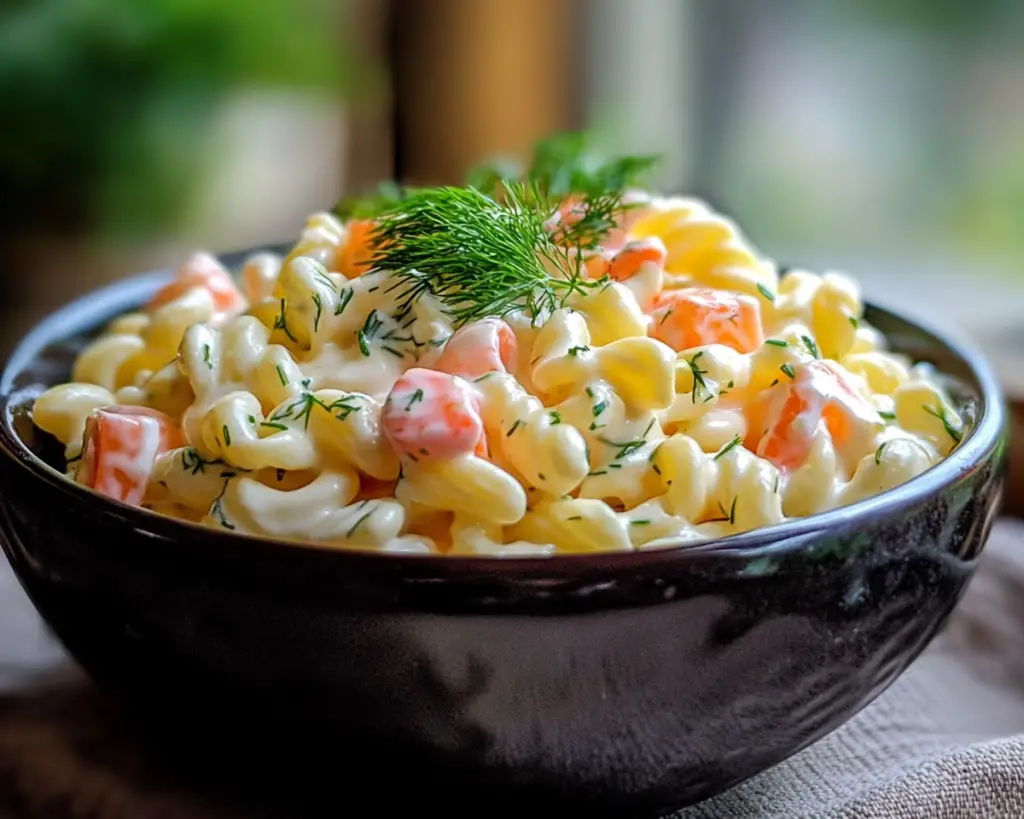
Pasta salad with yogurt and dill is a light yet satisfying dish that combines cooked pasta with a dressing made from yogurt, fresh dill, and assorted vegetables. The creaminess of the yogurt offers a lovely contrast to the slightly chewy texture of the pasta and the crunch of the veggies. This salad often features bright elements such as cherry tomatoes, cucumbers, and bell peppers, which lend a refreshing bite, making the dish incredibly well-rounded not just in flavor but also in texture.
Traditionally, pasta salads can be dressed with heavier options like mayonnaise, but using yogurt lightens the dish while still delivering a creamy richness. The addition of dill—a fragrant, slightly grassy herb—elevates the flavor profile with its distinctive taste, creating a delightful harmony between all the ingredients. Whether you’re serving it as a side dish for grilled meats or enjoying it as a light lunch on its own, this pasta salad will certainly impress.
Why You’ll Love This
You’ll adore this pasta salad not just for its delightful flavors but also for its versatility and ease of preparation. It is a go-to dish for busy parents looking for something quick yet nutritious to serve their families. With just a handful of ingredients, you can whip up a delightful meal that satisfies everyone at the table. Add to that the fact that it can be made ahead of time and stored in the fridge, and you’ve got a winning recipe on your hands.
Additionally, swapping out heavier dressings for yogurt cuts down on calories while adding protein. This makes the salad not just light but also a healthier choice. Many people mistakenly fear that making a pasta salad is complicated, but this recipe demolishes that myth. You can easily customize it based on your taste preferences or what you have on hand, making it adaptable for different food allergies or variations in dietary preferences.
Ingredients You’ll Need
- 8 ounces of pasta: Choose your favorite type such as fusilli, penne, or rotini. Whole grain pasta can be a healthy substitute if you want more fiber.
- 1 cup plain yogurt: Use Greek yogurt for a creamier texture and added protein, or opt for regular yogurt if you prefer a lighter flavor.
- 1 tablespoon fresh dill: Fresh herb is crucial; it brings a burst of flavor that dried herbs simply cannot replicate.
- 1 cup cherry tomatoes: They add a burst of sweetness and color—feel free to use chopped regular tomatoes if cherry tomatoes aren’t available.
- 1 cucumber: Adds refreshing crunch; you can choose to peel it or leave the skin on for added nutrients.
- 1 bell pepper: Any color will do; it contributes sweetness and vibrant color to the mix.
- Salt and pepper: Essential for seasoning; adjust to taste based on your preferences.
- 1 tablespoon lemon juice: Fresh lemon juice brightens the flavors and adds a zesty touch to the salad.
Each of these ingredients plays a key role in creating the salad’s overall profile. The pasta serves as the base, while the yogurt acts as the creamy dressing. Fresh dill is the star flavor, and the vegetables provide not only visual appeal but also essential nutrients.
How to Make
- Begin by bringing a large pot of salted water to a boil over high heat. Once the water is boiling, add in the pasta. Cook according to the package instructions until al dente, usually around 8-10 minutes. It’s important to monitor the pasta closely as overcooking can lead to a mushy texture.
- While the pasta cooks, prepare your vegetables. Rinse the cherry tomatoes, cut them in half, and place them in a large mixing bowl. Peel the cucumber if desired, then chop it into bite-sized cubes, and add that to the bowl as well. Finally, dice the bell pepper and toss it in.
- Once the pasta is cooked, drain it using a colander and rinse it under cold water. This will stop the cooking process and help the pasta maintain its texture. Allow the drained pasta to cool for a few minutes before adding it to the bowl of veggies.
- In a separate small bowl, combine the plain yogurt, chopped fresh dill, lemon juice, and a pinch of salt and pepper. Whisk until thoroughly mixed and creamy. This yogurt mixture will serve as your dressing, so make sure it’s well combined.
- Add the cooled pasta to the bowl of vegetables, and pour the yogurt dressing over the top. Gently toss everything together with a spatula until all the pasta and veggies are well coated with the dressing. This will marry the flavors, making every bite delicious.
- For best results, cover the salad with plastic wrap or a lid and refrigerate for at least 30 minutes before serving. This allows the flavors to meld beautifully, enhancing the overall taste experience.
The preparation steps ensure that you have a well-textured, flavorful dish. Pay attention to the temperature and timing, and if you have any doubts about texture, taste as you go.
Variations & Substitutions
Greek Pasta Salad Variation: If you’re in the mood for a Mediterranean twist, consider adding Kalamata olives, feta cheese, and red onion to your salad. This variation elevates the flavor profile with salty and tangy notes, perfect for fans of Greek cuisine. Additionally, you can substitute the dill for oregano or thyme to match the Mediterranean theme. To balance the saltiness of the feta, you may wish to reduce the added salt in the dressing.
Vegan Pasta Salad Variation: For a vegan version, swap the yogurt for a dairy-free alternative like cashew cream or coconut yogurt. This will keep the creamy texture while ensuring that it’s plant-based. You can also sprinkle some nutritional yeast for an extra cheesy flavor. Include your favorite vegan veggies and herbs, such as spinach, cherry tomatoes, and perhaps some avocado for creaminess.
Protein-Packed Variation: If you’re looking to make this pasta salad a complete meal, add some protein such as grilled chicken breast, chickpeas, or diced turkey. This variation not only enhances the nutritional profile but also makes it more filling. Serve immediately for a warm salad or chill it for a cool summer meal. The higher protein content will also keep you satiated throughout the day.
Pasta Salad with Roasted Vegetables Variation: Roasting the vegetables enhances their natural sweetness and adds a layer of complexity to the dish. Roast cherry tomatoes and bell peppers in the oven with a drizzle of olive oil at 400°F for around 20 minutes. Once roasted and cooled, mix them with the pasta and yogurt dressing for a different experience that’s rich in depth of flavor.
Each of these variations keeps the essence of the original recipe while providing a unique twist. You can try them all or create your own based on what’s in your pantry or your dietary needs.
Common Mistakes to Avoid
One common mistake when making pasta salad is overcooking the pasta. If the pasta is too soft, it will become mushy when mixed with the dressing. Always aim for al dente, which means the pasta should have a slight chew when bitten. To ensure the perfect texture, it’s helpful to taste the pasta a minute or two before the cooking time is complete.
Another issue is not allowing the pasta salad to chill long enough. Immediate serving might not yield the best flavor. Allowing the salad to sit for a while not only helps the flavors meld but also allows the pasta to absorb some of the dressing. Make sure to keep it covered in the refrigerator so it remains fresh and cool.
Lastly, be cautious about seasoning. Adding too much salt early in the process can result in an overly salty salad. Instead, add a pinch of salt to the pasta water and slowly season the dressing, adjusting to taste as you mix in the vegetables. This ensures you achieve the perfect balance of flavor without overpowering the dish.
Storage, Freezing & Reheating Tips
Pasta salad with yogurt and dill can be stored in the refrigerator for up to three days in an airtight container. However, it’s best enjoyed fresh. If you’ve added ingredients such as fresh herbs or cut vegetables, be aware that they may wilt over time. For optimal storage, consider keeping dressings separate and adding them right before serving.
Freezing pasta salad is not recommended due to the texture of the yogurt and vegetables. Freezing can affect the quality, resulting in a less appetizing salad when thawed. If you find yourself with leftovers, simply toss them back into the fridge and plan to enjoy them within a few days.
When it comes to reheating, reheat any added proteins separately in a microwave or stovetop. Mixing the yogurt dressing again before serving helps revive its creaminess. If you find the salad has thickened too much after refrigeration, a splash of water or extra yogurt will help reinvigorate the flavors.
Frequently Asked Questions
Can I make this pasta salad ahead of time?
Absolutely! In fact, making it a day in advance allows the flavors to meld beautifully. Just ensure you cover it well to keep it fresh.
What type of pasta is best for this salad?
Although you can use any pasta shape, I recommend choosing small to medium shapes like fusilli or penne. These types hold onto dressing and flavor better than larger shapes.
Can I substitute the yogurt with something else?
Yes, if you’re not a fan of yogurt, you can use mayonnaise, sour cream, or a dairy-free alternative. Each will offer a different taste; just remember that yogurt provides a lighter, tangy flavor.
How can I make this recipe gluten-free?
To make a gluten-free version, simply use gluten-free pasta made from rice, corn, or legumes. The rest of the ingredients should be gluten-free as well, ensuring everyone can enjoy it.
Can I add more vegetables to the pasta salad?
Absolutely! This salad is a wonderful canvas, and you can include any vegetable you like. Consider spinach, carrots, or even artichokes for an added punch of flavor and color.
Conclusion:
This pasta salad with yogurt and dill embodies both simplicity and sophistication, making it a go-to dish for any occasion. The combination of creamy yogurt and fresh dill is truly irresistible. I encourage you to experiment with this recipe and customize it to suit your taste. Whether you’re preparing a meal for your family or hosting a gathering, this salad promises to be a hit. Get creative and make it your own; I’m sure you’ll enjoy every delightful bite!