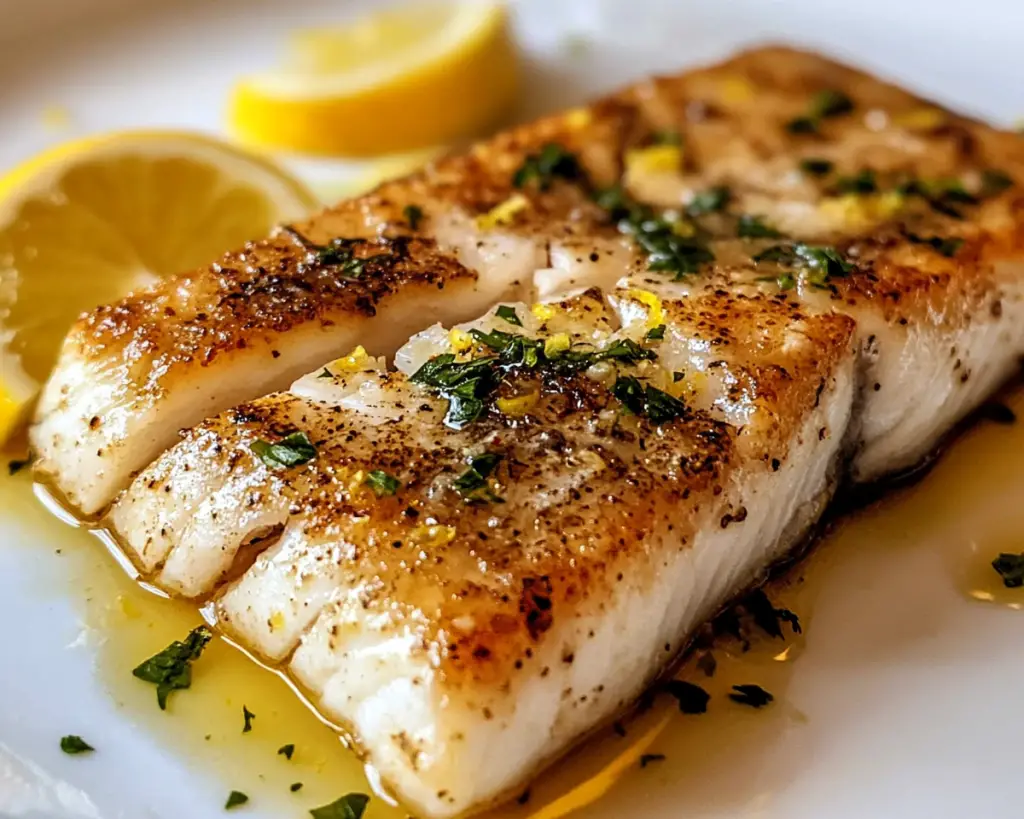
Prep time: 10 minutes
Cook time: 15 minutes
Total time: 25 minutes
Servings: 4
There’s something truly unforgettable about the smell of fish searing in a hot pan, the perfume of its crispy exterior mingling with the bright, zesty aroma of lemon. If you’ve ever eaten a perfectly cooked piece of fish, you know that it can bring sheer joy to the dinner table. Today, I’ll guide you through the delightful process of making Pan-Seared Fish with Lemon Butter. This dish not only delivers a sensational flavor experience but is also incredibly quick and easy to prepare, making it perfect for busy weeknights or special occasions alike. You’ll learn valuable cooking techniques, flavor tips, and even some variations to make this dish your own.
What Is Pan-Seared Fish with Lemon Butter?
Pan-Seared Fish with Lemon Butter is a delectable dish that highlights the natural flavors of fresh fish. This cooking method, known as **pan-searing**, allows for the formation of a beautiful, golden crust on the outside while keeping the inside tender and flaky. The essence of the dish comes alive with a rich **lemon butter sauce** that adds a bright and zesty dimension, making each bite a burst of flavor.
Traditionally, this dish can be prepared using a variety of fish, including salmon, tilapia, and cod. Each fish brings its unique texture and flavor profile, making this recipe versatile and adaptable. The key is to choose a fish that is not overly oily so that the **lemon** and **butter** can shine through without being overpowered. The combination of the seared fish and the invigorating lemon butter creates a delightful contrast that is both comforting and refreshing.
Enjoying a dish as appetizing as Pan-Seared Fish with Lemon Butter feels truly special, whether it’s for a family dinner or an intimate gathering with friends. You’ll not only be indulging your taste buds, but also impressing your loved ones with your culinary skills.
Why You’ll Love This
One of the most compelling reasons to embrace this Pan-Seared Fish with Lemon Butter recipe is its incredible balance of **flavors** and textures. The crispy skin enveloping the juicy meat of the fish makes every bite a rewarding experience. This dish is astonishingly easy to make, which is essential for busy parents and home cooks who want a healthy meal without spending hours in the kitchen. Cooking fish quickly like this ensures that you maintain its nutrients while achieving a delicious dining experience.
Another significant advantage of this recipe is its affordability. Fish is widely available and often inexpensive, especially when purchased in season. Coupled with simple ingredients like **butter**, **lemon**, and **seasonings**, you can create an elegant dish on a budget. Furthermore, pan-searing can be done with minimal equipment, making cleanup a breeze.
It’s worth mentioning that many people shy away from cooking fish at home for fear of overcooking or under-seasoning. The good news is that this recipe provides clear steps to ensure your fish remains juicy and flavorful. Once you master the technique, you’ll no longer fear cooking fish; in fact, you may find yourself enjoying it more often!
Ingredients You’ll Need
- Fish Fillets: 4 pieces of your choice (salmon, tilapia, cod, etc.), about 6 ounces each. Always choose fresh fillets for the best flavor and texture.
- Salt and Pepper: For seasoning. These basic seasonings enhance the fish’s natural flavor.
- Butter: 4 tablespoons, unsalted. This forms the base of your lemon butter sauce and adds richness.
- Lemon: 1 large, juiced and zested. The acidity in lemon balances the richness of the butter.
- Garlic: 2 cloves, minced. Garlic provides an aromatic base that complements the fish beautifully.
- Fresh Parsley: For garnish, which adds freshness and color to the dish.
Starting with fresh **fish** is key to achieving a delightful dish. If you’re unsure about what to buy, look for fillets that have a mild aroma. Avoid fish that smells overly “fishy,” which may signify that it’s not fresh. As for substitutes, you can use other types of fish based on your preference. For example, you can use **halibut** for a firmer texture or **trout** for a subtler flavor. When it comes to herbs, feel free to experiment with **dill** or **basil** in place of parsley for a different flavor profile.
How to Make
- Start by patting your fish fillets dry with paper towels. A dry surface will help achieve that coveted crispy skin when searing. Season both sides generously with salt and pepper, ensuring each fillet is well-coated.
- In a large skillet, preferably cast iron or stainless steel, heat 2 tablespoons of butter over medium-high heat. When the butter begins to foam and bubble, it’s time to add the fish.
- Carefully place the fish fillets in the pan, presentation side down—this means the side that you want to show when served should be facing down. Let them cook undisturbed for about 4–5 minutes for a thicker fillet, or 3–4 minutes for a thinner one.
- Flip the fillets over gently using a spatula. Add the remaining butter, minced garlic, and lemon juice to the pan. Tilt the pan slightly so that the butter pools, creating a luscious sauce. Baste the fish with the melted butter for an extra flavor boost. Cook for another 3-4 minutes, or until the fish flakes easily with a fork.
- Once cooked, remove the fish from the skillet and place it on a serving plate. Squeeze fresh lemon juice on top and drizzle the buttery sauce from the pan over the fillets for an enhanced presentation.
- Garnish with freshly chopped parsley and lemon zest before serving. This dish pairs wonderfully with a light salad or roasted vegetables for a complete meal.
Cooking fish can seem daunting for beginners, but by following these clear steps, you’ll surely impress yourself and your guests. Pay close attention to the cooking time; overcooking fish can lead to a dry texture, while undercooking may leave it mushy. A good rule of thumb is to cook fish for 10 minutes per inch of thickness. Always remember, practice makes perfect, and don’t be afraid to experiment with seasonings.
Variations & Substitutions
Cajun Style: For a bit more heat and flavor, consider adding **Cajun seasoning** to both the fish and the butter sauce. A homemade blend of paprika, cayenne, and garlic powder will work wonders. This variation is perfect for those who enjoy a spicy kick with their fish, making it a great option for gatherings and dinner parties.
Herb-Infused Butter: If you want to add a burst of flavor, try mixing fresh herbs like thyme, dill, or rosemary into your butter. Melt the butter and infuse it with the herbs before pouring it over the fish. This variation works particularly well with milder fish and adds an aromatic element to your dish, perfect for impressing guests.
Vegetarian Option: Can’t eat fish? No problem! You can easily adapt this recipe with **tofu** or **tempeh**. Press the tofu to remove excess moisture, then sear it the same way you would the fish, using the lemon butter sauce to complement its flavor. This option offers a protein-packed meal that’s still light and satisfying for vegetarians.
Lemon-Caper Sauce: If capers are your thing, make a tangy lemon-caper sauce by adding 1-2 tablespoons of capers to the melted butter and lemon juice. This addition adds brininess and complexity, making it an excellent option for lovers of bold flavors. Serve this variation over pan-seared fish for an elevated twist.
Each of these variations allows you to tailor the recipe to your taste preferences while achieving different flavor profiles. The beauty of Pan-Seared Fish with Lemon Butter lies in its versatility and adaptability to various dietary needs.
Common Mistakes to Avoid
One common mistake when cooking fish is not properly drying the fillets before seasoning. If your fish is wet, it may not sear correctly and will steam instead of develop that essential crust. Make sure to pat the fillets dry with paper towels and ensure your skillet is hot enough before adding the fish.
Another mistake is overcooking the fish. Fish cooks quickly and can go from perfectly tender to dry in seconds. Keep a close eye on the cooking time, flipping the fish only when a golden crust has formed. Use a fork to test for doneness; the fish should flake easily when it’s done.
Lastly, many home cooks underestimate the importance of seasoning. Don’t be shy with your salt and pepper; it brings out the **natural flavors** of the fish. If you’re using a rub or other seasonings, be sure to apply them evenly to ensure every bite is flavorful.
Storage, Freezing & Reheating Tips
To ensure the best quality and taste, it’s best to consume your Pan-Seared Fish with Lemon Butter shortly after cooking. However, if you need to store leftovers, allow the fish to cool to room temperature before transferring it to an airtight container. Refrigerate the fish and aim to consume it within 2–3 days for optimal freshness.
If you decide to freeze the cooked fish, wrap it tightly in plastic wrap and then aluminum foil to prevent freezer burn. Properly stored, it can last for up to 2 months in the freezer. When you are ready to enjoy your leftovers, thaw the fish in the refrigerator overnight.
Reheating fish can be a delicate task, and it’s best to do it gently to prevent drying it out. Place the fish in a skillet on low heat, adding a splash of lemon juice to keep it moist. Cover the skillet with a lid to trap steam, allowing for even heating. For best results, avoid using a microwave, as this method can lead to uneven cooking and a rubbery texture.
Frequently Asked Questions
Can I use frozen fish for this recipe? Yes, you can use frozen fish, but make sure to thaw it completely in the refrigerator before cooking. Cooking from frozen can lead to uneven cooking and a less acceptable texture. Patting it dry after thawing is crucial for achieving a crispy crust when pan-searing.
What side dishes pair well with pan-seared fish? There are many excellent side dishes that complement this dish perfectly. Consider paired options like quinoa salad, steamed vegetables, or even a light couscous recipe. A fresh garden salad can also balance the richness of the lemon butter sauce.
Can I use other types of butter for this recipe? While unsalted butter is preferred for its neutral flavor, you can experiment with other types of butter like ghee or even a plant-based butter alternative. Just be mindful that the flavor will differ, especially if you choose a butter with herbs or spices already mixed in.
How can I ensure my fish is cooked properly? The best way to check if your fish is done is to use a fork. The fish should flake easily at the thickest part when it’s cooked through. Alternatively, you can use a food thermometer; the internal temperature should reach 145°F (63°C) when fully cooked.
What can I do with leftover lemon butter sauce? Don’t throw away any residual lemon butter sauce! You can use it to drizzle over steamed vegetables, pasta, or even as a **dressing** for salads. It also works wonderfully as a dipping sauce for bread, ensuring you don’t miss out on any delicious flavors.
Conclusion:
Incorporating Pan-Seared Fish with Lemon Butter into your culinary repertoire not only elevates your dinner options but also fosters a joyful cooking experience that everyone can enjoy. With its bright flavors, ease of preparation, and versatility, this dish is something you’ll find yourself returning to time and again. Don’t hesitate to customize and experiment with different variations or pairings to make it uniquely yours. Sit down, savor each bite, and share your culinary success with friends and family. Happy cooking!