Prep time: 20 minutes
Cook time: 45 minutes
Total time: 1 hour 5 minutes
Servings: 8
When you think of dessert, your mind might wander to chocolate cakes or fruit tarts, but have you ever tried a sweet potato cake? If not, you’re in for a delightful surprise! This moist, rich cake combines the earthy sweetness of sweet potatoes with warm spices that give it a depth of flavor that truly shines. The texture is unlike traditional cakes; it’s incredibly moist and tender, making it hard to resist even a second slice. As we delve into this recipe, you’ll discover simple techniques that ensure your cake turns out perfectly, tips for adding extra flair, and variations that cater to different tastes and dietary needs.
What makes this sweet potato cake stand out? It’s not just about the ingredients or preparation technique; it’s also about the experience. Imagine biting into a slice, the complex flavors mingling on your palate, with each bite telling a story of comfort and nostalgia. You may recall the warm family gatherings or cozy evenings with friends, where desserts like this take center stage. This recipe is about more than just sweetness; it’s a celebration of simplicity, creativity, and love.
By the time you finish reading, you will not only know how to bake a delicious sweet potato cake but also have tips to elevate it. Get ready to impress your friends and family with this exceptional dessert!
What Is What Makes Sweet Potato Cake So Incredibly Moist?
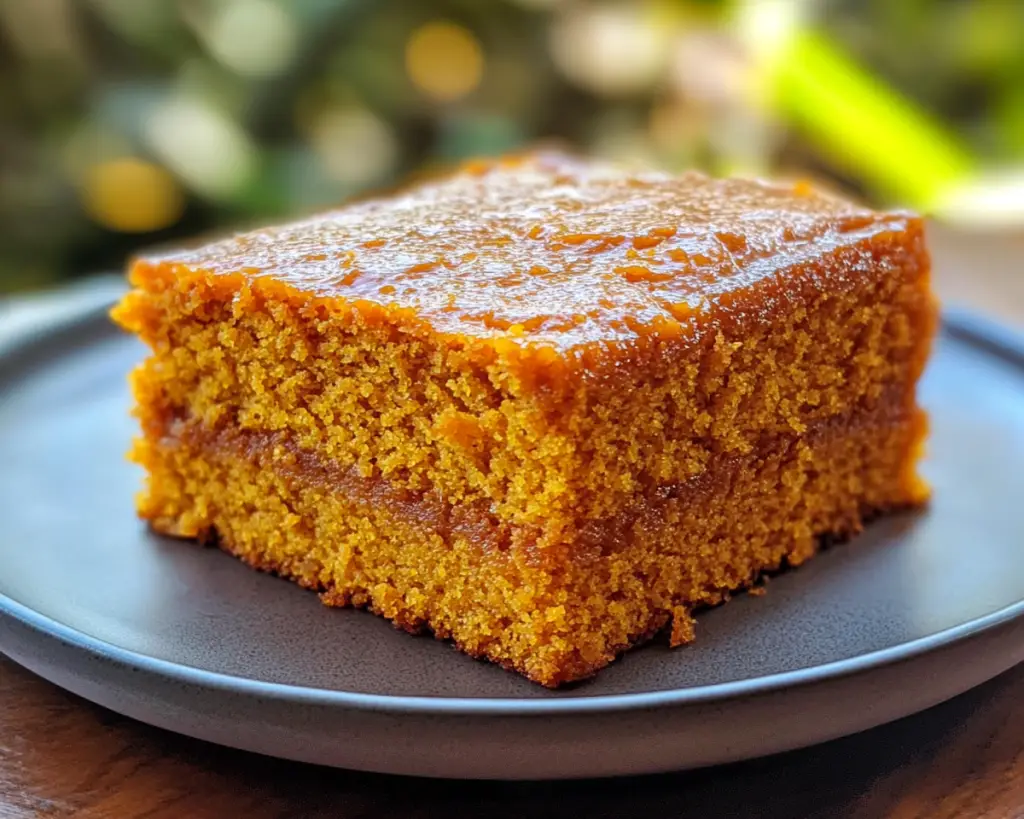
Sweet potato cake is a delightful dessert that combines the nutty sweetness of sweet potatoes with rich spices and textures to create an incredibly moist cake. Originating from various Southern U.S. culinary traditions, this cake has become popular in home kitchens for its unique flavor profile and comforting qualities. What sets it apart from standard cake recipes is the addition of pureed sweet potatoes, providing natural moisture and a slight sweetness that complements other ingredients beautifully.
The flavors in sweet potato cake generally lean toward the warm and spiced, often integrating ingredients like cinnamon, nutmeg, and vanilla. The sweet potatoes lend a rich, creamy texture and a vibrant hue, making each slice visually appealing. One of the hallmarks of this cake is its ability to remain moist over several days, ensuring that each bite is as satisfying as the first. This moistness makes it perfect for gatherings, as the flavor continues to develop over time, leading to a delightful experience for anyone fortunate enough to enjoy a slice.
Why You’ll Love This
There are countless reasons why you will absolutely love this sweet potato cake. For starters, the taste is unparalleled; the sweet potatoes provide a depth of flavor that balances perfectly with the warm spices. It’s not just sweet; there’s a complexity that you won’t find in more conventional cakes. The moisture level is another highlight—it stays soft and tender for days, inviting you back for more. What’s more, this cake is relatively quick to make, making it a perfect choice for busy parents or anyone looking to whip up a delicious dessert in no time.
Many people often think of cakes as overly indulgent treats, but sweet potato cake offers a healthier twist thanks to its primary ingredient. Sweet potatoes are packed with nutrients, including vitamins A and C, potassium, and fiber, making this cake a more wholesome choice, especially compared to its chocolate or butter-laden counterparts. Moreover, this cake is incredibly versatile. You can easily modify the recipe for various dietary needs, including gluten-free options or vegan substitutions, making it accessible for all.
Common mistakes people make when baking sweet cakes often include overmixing the batter or not measuring ingredients accurately. Both can lead to a dense final product. However, following this recipe and paying attention to details will help you achieve a fluffy, light cake that melts in your mouth. You’ll find that baking can be a rewarding and fun experience, especially with a recipe that yields such gratifying results.
Ingredients You’ll Need
- Sweet Potatoes: 1 cup, cooked and pureed. The key ingredient for moisture and natural sweetness; you can use canned sweet potato puree in a pinch.
- All-Purpose Flour: 1 ½ cups. Provides the main structure of the cake; substitute with gluten-free flour if needed.
- Sugar: 1 cup (granulated). Sweetens the cake but be cautious—consider reducing a bit since sweet potatoes are naturally sweet.
- Baking Powder: 1 teaspoon. Helps the cake rise, resulting in a light texture.
- Baking Soda: ½ teaspoon. Works together with baking powder for leavening.
- Salt: ½ teaspoon. Balances the sweetness and enhances the flavors.
- Cinnamon: 1 teaspoon. Adds warm spice that pairs perfectly with the sweet potatoes.
- Nutmeg: ½ teaspoon. Offers a warm, aromatic touch; be careful not to overpower the other flavors.
- Vegetable Oil: ½ cup. Keeps the cake moist; you can use melted coconut oil for a different flavor.
- Eggs: 2 large. Act as a binder and help with moisture; for eggless variations, use flax eggs.
- Vanilla Extract: 1 teaspoon. Adds depth and enhances other flavors.
- Optional Toppings: Cream cheese frosting or a light dusting of powdered sugar for serving.
These ingredients come together to create a cake that is not only delicious but also a beautiful representation of home cooking. Each component plays an essential role, contributing textures, flavors, and overall moisture. Don’t hesitate to experiment with different spices or optional add-ins like chopped nuts or dried fruit to make the cake your own!
How to Make
- Begin by preheating your oven to 350°F (175°C). Greasing and flouring two 9-inch round cake pans will ensure your cake doesn’t stick and comes out easily once baked. This is a crucial step for clean edges and a beautiful presentation!
- In a large mixing bowl, combine the cooked and pureed sweet potatoes with sugar and vegetable oil. Mix until well combined. You will notice the sweet potatoes will create a creamy consistency when blended. This mixture forms the cake’s base, making it rich and moist.
- In another bowl, whisk together the flour, baking powder, baking soda, salt, cinnamon, and nutmeg. Make sure the dry ingredients are evenly mixed; this will help prevent any clumps from forming in your cake.
- Gradually add the dry ingredients into the sweet potato mixture, combining them with a spatula or mixer until just blended. Be careful not to overmix; this can create gluten, leading to a dense cake.
- In a separate bowl, beat the eggs and add the vanilla extract. Once mixed, slowly incorporate this into the batter. You’ll want a thick but pourable batter at this stage. The eggs will add binding and structure while keeping the cake fluffy.
- Divide the batter evenly between the two prepared pans, smoothing the tops with a spatula. Bake in the preheated oven for 30-35 minutes. Check for doneness by inserting a toothpick into the center; if it comes out clean or with a few crumbs, it’s ready.
- Let the cakes cool in the pans for about 10-15 minutes before transferring them to wire racks. This cooling period is essential as it allows the cakes to set and makes them easier to handle without breaking.
- Once cooled completely, you can frost the cake with cream cheese frosting if desired. This adds an incredible tangy flavor that works wonderfully with the sweetness of the cake. Serve your delicious dessert along with a cup of tea or coffee for that perfect pairing!
With just a few straightforward steps, you can create an incredibly moist sweet potato cake that becomes the centerpiece of any gathering. The method is forgiving enough for beginners, ensuring that even if you haven’t baked much before, you can still produce something delicious and impressive.
Variations & Substitutions
Gluten-Free Sweet Potato Cake: If you’re catering to a gluten-free diet, simply swap the all-purpose flour for a gluten-free flour blend. Many blends are specifically designed to mimic the texture of all-purpose flour, ensuring that your cake remains light and fluffy. You may want to add a teaspoon of xanthan gum to help bind the ingredients if your blend doesn’t contain it already.
Vegan Sweet Potato Cake: For a plant-based version, replace the eggs with flax eggs (1 tablespoon of ground flaxseed mixed with 3 tablespoons of water equals one egg). Additionally, choose a vegetable oil that suits your diet. This version retains the moisture and grandeur of the traditional recipe while being completely free from animal products.
Spiced Sweet Potato Cake: Want to kick it up a notch? Enhance the spice profile by adding ground ginger and allspice to the batter. This variation brings a warm, aromatic touch that’s perfect for fall gatherings or cozy family dinners. Additionally, consider folding in some chopped pecans or walnuts for texture.
Chocolate Sweet Potato Cake: If you have a chocolate lover in the house, consider adding some unsweetened cocoa powder (1/3 cup should suffice) to the batter. This will give you a chocolate version without losing the key moisture component from the sweet potatoes. You can also top it with a chocolate ganache to elevate the dessert.
Citrus Zest Sweet Potato Cake: Brighten the flavor profile with the zest of an orange or lemon. Mixing the zest into the batter will impart a fresh, invigorating flavor that balances the cake’s sweetness. This is especially delightful if you’re serving it during warmer months or need a refreshing spring dessert.
Each of these variations brings something unique to the table, allowing you to customize your sweet potato cake to fit different occasions or dietary needs while keeping the essence of what makes it special intact!
Common Mistakes to Avoid
Baking can be a fascinating yet intricate art, and it’s easy to make a few common errors that may veer your sweet potato cake off course. One significant mistake is not measuring the sweet potatoes accurately. Ensure that you use one full cup of pureed sweet potatoes for the best results. Underestimating this can lead to a dry texture, while too much may compromise the cake’s structure.
Additionally, be mindful of your mixing methods. Overmixing can develop gluten, making your cake dense and chewy rather than light and airy. Mixing only until the ingredients are combined will yield a tender crumb. Also, consistently check your oven temperature; an oven that’s too hot can cause uneven baking and doming, which might lead to a “tall” appearance that doesn’t match your expectations.
Lastly, don’t forget to allow the cakes to cool adequately before frosting. Trying to frost a warm cake can cause the frosting to melt off and create a messy final product. Take your time and allow your cake to set completely on a wire rack, ensuring a beautiful presentation when it comes time to serve.
Storage, Freezing & Reheating Tips
To extend the life of your sweet potato cake, proper storage is essential. If you are not consuming the cake right away, store it in an airtight container at room temperature for up to 3 days or in the refrigerator for about a week. Make sure it is covered to prevent it from drying out.
For longer storage, consider freezing. Wrap individual slices or the cooled whole cake in plastic wrap and then in aluminum foil or store it in a freezer-safe container to prevent freezer burn. A well-wrapped cake can last for up to 3 months in the freezer. When you are ready to enjoy, let it defrost in the refrigerator overnight and bring it to room temperature before serving.
If you have leftover cake pieces that may be a bit dry after freezing, consider reheating them in the microwave for about 10-15 seconds or placing them in a preheated oven at 350°F (175°C) for a few minutes. This will help restore some moisture and warmth, making it a comforting treat all over again!
Frequently Asked Questions
Can I use canned sweet potatoes instead of fresh ones?
Yes, canned sweet potatoes are a great option for quick preparation. If you choose this route, ensure they are packed without added sugars or extra ingredients. Measure out the equivalent of one cup of puree, and you’ll save considerable time in your baking process.
Can I reduce the amount of sugar in the cake?
Absolutely! Sweet potatoes naturally offer sweetness, so feel free to cut down on sugar by about ¼ cup or adjust it to your taste preference. This way, you can tailor the cake to your liking while still keeping its moist texture.
How do I know when the cake is fully baked?
A great way to check if your sweet potato cake is done is to insert a toothpick into the center. If it comes out clean with just a few crumbs clinging to it, your cake is baked to perfection. Keep an eye on the baking time since oven temperatures may vary.
What can I substitute for vegetable oil?
There are several excellent alternatives if you prefer not to use vegetable oil. You can use melted coconut oil for a mildly sweet flavor, unsweetened applesauce for a lower-fat option, or even Greek yogurt for added moisture with fewer calories.
Is sweet potato cake healthy compared to other cakes?
Yes, sweet potato cake can be considered a healthier dessert option. Sweet potatoes offer various health benefits, including vitamins and minerals. Moreover, you can easily adapt the recipe to reduce sugar and fat, making it a more nutritious choice for those looking to indulge without overly sacrificing their diet.
Conclusion:
In summary, the sweet potato cake is a remarkable dessert that dazzles with its moist texture and warm spices. Its adaptability allows you to create variations that fit different dietary needs and personal preferences. I encourage you to try this recipe at home—tweak it, customize it, and make it your own. Whether it’s for a family occasion or a quiet evening treat, this cake is sure to leave a lasting impression. Get your ingredients ready and don’t hesitate to share your results, because nothing feels better than crafting a cake that genuinely delights!