Prep time: 15 minutes
Cook time: 20 minutes
Total time: 35 minutes
Servings: 4 servings
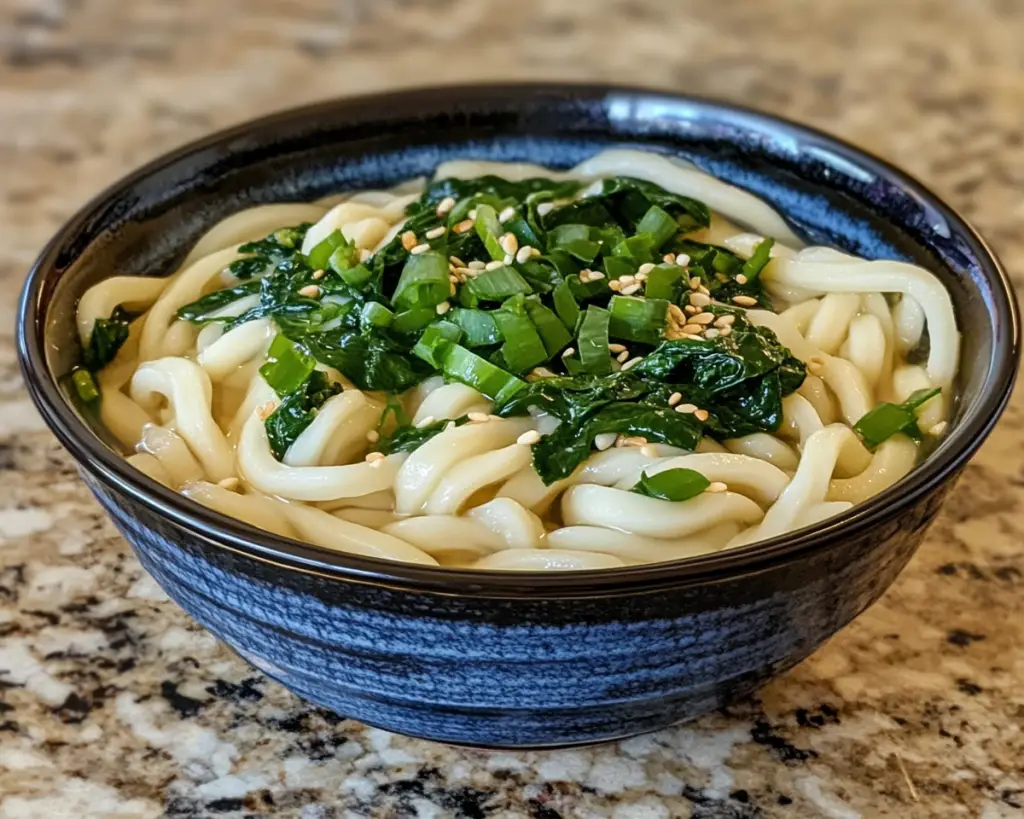
Imagine a comforting bowl of creamy noodles that transports you to a tropical beach, filled with vibrant greens and a rich coconut flavor. That’s exactly what Spinach Scallion Coconut Udon – Creamy Vegan Noodle Bowl offers. It’s a delightful balance of textures and tastes that excites your palate, making it a perfect weeknight dinner or a special occasion meal.
This dish is notable not just for its taste but also for its incredible simplicity and versatility. You can whip it up in under 40 minutes, and it requires just a handful of ingredients that you likely already have in your pantry. Whether you’re seeking a hearty meal after a long day or prepping for a relaxed weekend, this udon bowl has you covered.
Throughout this post, you’ll discover how to make this vegan delight, the key ingredients that contribute to its flavor, and some tasty variations to cater to your preferences. From cooking tips to storage instructions, you’ll get to know everything you need to prepare this creamy noodle bowl effortlessly.
What Is Spinach Scallion Coconut Udon – Creamy Vegan Noodle Bowl?
Spinach Scallion Coconut Udon is a luscious, vegan noodle dish that beautifully combines the rich creaminess of coconut milk with the earthiness of spinach and the zesty bite of scallions. Udon noodles, known for their thick and chewy texture, serve as the perfect base, allowing them to soak up all the wonderful flavors of the dish.
Originating from Japan, udon noodles have become internationally loved. Their comforting texture makes them a favorite in various dishes, both hot and cold. In this particular recipe, the udon noodles are enveloped in a luxurious, creamy coconut sauce that enhances not only the flavor but also the overall experience. The addition of fresh spinach and vibrant scallions not only increases the nutritional value but also adds a delightful freshness and color to your bowl.
The texture is a satisfying combination; the chewiness of the udon noodles meets the silky creaminess of the sauce, while the spinach adds a slight resistance, giving the dish depth. With every bite, you will be greeted by the fragrant aroma of coconut, the subtle crunch of scallions, and the rich flavor of garlic and ginger, creating a beautiful medley that you won’t soon forget.
Why You’ll Love This
There are countless reasons to fall in love with Spinach Scallion Coconut Udon. Firstly, the taste is irresistibly delicious and comforting, presenting a beautiful contrast of flavors that can satisfy your cravings without the heaviness of traditional creamy dishes. Moreover, given that it is entirely plant-based, it aligns well with many dietary preferences, making it suitable for vegans and vegetarians, as well as anyone looking to incorporate healthier meal options into their cooking.
Another appealing aspect of this recipe is its ease of preparation. Perfect for busy weeknights, you can have a flavorful, wholesome meal ready in just about 35 minutes. Beginners in the kitchen will find this an excellent recipe to build their confidence, as it highlights simple cooking techniques that yield outstanding results.
Additionally, the cost-effectiveness of this dish makes it an ideal option for budget-conscious cooks. With just a few affordable ingredients, you can create an impressive meal perfect for family gatherings or dinner parties. The versatility of this recipe allows you to adjust ingredients and spices based on your taste or what you have on hand, ensuring that you can enjoy it multiple times without feeling repetitive.
Lastly, making this udon bowl bursts with a sense of satisfaction, especially when you see family and friends enjoy it. Sharing food is a universal joy, and this creamy vegan noodle bowl serves as a fantastic conversation starter at any dining table.
Ingredients You’ll Need
- Udon noodles: 8 ounces. The backbone of the dish; these thick and chewy noodles hold onto the flavors beautifully. If you can’t find udon, you can substitute with other types of noodles like soba or rice noodles.
- Coconut milk: 1 can (13.5 ounces). Provides the rich creaminess needed for the sauce. Full-fat coconut milk works best, but low-fat can be used if you’re looking for a lighter option.
- Fresh spinach: 2 cups. Adds nutritional benefits and a burst of green color. You can easily swap this with kale or Swiss chard if you prefer.
- Scallions: 1 bunch. These give a subtle onion flavor and a crunch when fresh. Feel free to use leeks or even regular onions if scallions aren’t available.
- Garlic: 3 cloves, minced. Adds robust flavor. Use garlic powder as a substitute, but fresh garlic is always recommended for the best taste.
- Ginger: 1 tablespoon, grated. Offers a warming spice that complements coconut beautifully. Ground ginger can work, but it won’t be as fragrant.
- Soy sauce: 2 tablespoons. Provides umami and enhances the dish’s overall flavor. Tamari is a great gluten-free alternative.
- Lime juice: 1 tablespoon. Brightens and enhances the flavors. Lemon juice can be substituted if lime is not available.
- Sesame oil: 1 tablespoon. Adds a nutty finish. Olive oil can work, but won’t provide the same depth of flavor.
- Salt and pepper: To taste. Enhances all flavors; adjust as needed.
Each ingredient plays a crucial role in this coconut udon dish, making sure every bite is packed with flavor while remaining invitingly creamy and vegan.
How to Make
Follow these detailed steps to create your Spinach Scallion Coconut Udon – Creamy Vegan Noodle Bowl.
- Prepare the Udon Noodles: Begin by filling a large pot with water and bringing it to a boil. Once boiling, add the udon noodles and cook according to the package instructions, usually about 8-10 minutes. It’s essential to stir occasionally to avoid sticking. Once cooked, drain the noodles, rinse them under cold water to stop the cooking process, and set them aside.
- Make the Sauce: In a large skillet or wok, heat the sesame oil over medium heat. Add the minced garlic and grated ginger, sautéing them for about 2 minutes until they are fragrant but not browned. This step is crucial because it releases the essential oils from the garlic and ginger, creating an aromatic base for your sauce.
- Combine Coconut Milk and Soy Sauce: Pour in the can of coconut milk, quickly followed by the soy sauce. Stir well to combine, allowing the mixture to come to a gentle simmer. As it heats, the sauce will thicken slightly, creating a rich base. If desired, you can add a bit of vegetable broth for thinning if you prefer a lighter consistency.
- Add Spinach and Scallions: Once the coconut mixture is simmering, gently fold in the fresh spinach and chopped scallions. Stirring continuously for about 3-4 minutes, cook until the spinach is wilted and bright green. This adds freshness and color to your creamy dish.
- Integrate Noodles: Add the drained udon noodles to the skillet. Use a pair of tongs or chopsticks to toss the noodles in the sauce thoroughly. Ensure that every noodle is coated with the rich, creamy sauce. This step should take about 2-3 minutes.
- Final Seasoning: Now it’s time to taste your creation. Add salt and pepper as needed, along with a squeeze of lime juice to brighten up the flavors. This step is critical; lime juice provides a zesty counterpoint to the richness of coconut.
- Serve: Once everything is well-mixed, transfer the udon into serving bowls. You can sprinkle more chopped scallions on top for garnish and serve with additional lime wedges. Enjoy your Spinach Scallion Coconut Udon warm, and relish every creamy bite!
Prep time for this dish is quick and straightforward, and the cooking process unfolds seamlessly, ensuring even novice cooks can feel confident tackling this recipe. Each step builds on the previous one, creating layers of flavor and texture that characterize this delightful udon bowl.
Variations & Substitutions
Protein-Packed Variation: To enhance the dish’s protein content, consider adding chickpeas or tofu. Cook small cubes of firm tofu separately until golden brown, then toss them in during the final step. Chickpeas can provide a hearty addition; you can simply rinse and drain them before mixing them in. Both options are filling, making this udon bowl even more satisfying and complete.
Spicy Variation: If you’re a fan of spicy food, consider stirring in some red pepper flakes or sriracha sauce while cooking the garlic and ginger. This addition will introduce a delightful kick that perfectly contrasts the creaminess of the coconut. You could also garnish with sliced fresh chili peppers for an extra layer of heat.
Vegetable Medley Variation: Instead of limiting to just spinach and scallions, bring additional vegetables into the mix. Carrots, bell peppers, and snap peas are excellent choices. Thinly slice them and sauté them alongside the garlic and ginger, allowing their flavors to meld before adding the sauce components. This not only enhances the nutritional value but also adds more color and crunch.
Zoodles Alternative: For a low-carb alternative, consider using spiralized zucchini or other vegetables instead of udon noodles. While the method remains the same, keep in mind that these “zoodles” will cook much more quickly, so add them right at the end of the process, allowing just a few minutes to wilt in the sauce. The result is a fresh twist on the original and a dish that feels lighter while retaining that exquisite coconut flavor.
Common Mistakes to Avoid
Cooking is a wonderful creative endeavor but can have hiccups along the way. One common mistake is overcooking the udon noodles. Always follow the package directions closely and consider tasting them to achieve the perfect al dente texture. Overcooked noodles can turn mushy and lose their appeal.
Another mistake is not sautéing the garlic and ginger enough. If you skip this step or rush it, you may miss out on the aromatic flavors they contribute. Be patient and ensure they are fragrant before adding the coconut milk.
Moreover, not adjusting the seasoning can lead to a bland dish. Always taste and adjust the flavors, especially when it comes to lime juice and salt. These are critical for elevating the dish’s overall taste, ensuring that every bite bursts with flavor.
Lastly, remember to keep the heat medium-low when simmering the coconut milk to avoid curdling; a gentle heat preserves its luxurious texture.
Storage, Freezing & Reheating Tips
To store leftovers, transfer any uneaten udon to an airtight container, ensuring that it is sealed tightly. This dish can be kept in the refrigerator for up to 3 days. However, you may notice that the noodles can absorb too much of the sauce, making them less creamy.
If you’d like to prep ahead or save for later, consider freezing the udon. While it is possible to freeze the completed dish, the texture might change, especially for the noodles. A better approach is to freeze the sauce separately and cook fresh noodles when you’re ready to serve.
When reheating, add a splash of vegetable broth or additional coconut milk to help regain that creamy consistency. Warm it over low heat, stirring frequently to ensure even warming. Reheating in the microwave is viable too, just be cautious, as quick bursts of heat can result in a rubbery texture, so stir the dish halfway through warming.
Food safety is paramount; always ensure your leftovers are kept at the proper temperature and eaten within a reasonable time frame to avoid spoilage.
Frequently Asked Questions
Can I make Spinach Scallion Coconut Udon gluten-free? Yes! To make this dish gluten-free, simply use gluten-free udon noodles or substitute with rice noodles, which will still capture the essence of a creamy vegan noodle bowl. Also, opt for tamari or coconut aminos in place of regular soy sauce.
What protein options do you recommend for this dish? If you want to add protein, tofu is an excellent choice, as it absorbs flavors beautifully. You can also incorporate edamame, chickpeas, or tempeh for a nutrient boost while keeping the dish vegan.
Can I use frozen spinach instead of fresh? While fresh spinach adds a certain vibrance to the dish, frozen spinach can work as well. Make sure to thaw and drain it well to remove excess moisture before adding it to the sauce. This will ensure your udon remains creamy without becoming watery.
How spicy can I make this dish? Spice levels are completely up to you! For a light kick, add red pepper flakes or sriracha as suggested. If you’re looking for a serious heat, consider chopping in fresh chilies or using a spicy chili paste during the cooking process. Always taste as you go to reach your desired heat level.
Can this recipe be made nut-free? Absolutely! This recipe is naturally nut-free, but make sure to check any additional ingredients you might add, like certain types of condiments or toy sauces that could contain nut traces. Stick to the fundamental ingredients to maintain this nut-free designation.
Conclusion:
In summary, Spinach Scallion Coconut Udon is a delightful fusion of flavors, textures, and colors. This dish not only stands out for its taste but also for the ease with which it can be prepared, making it an excellent option for any night of the week. You can customize it to suit your tastes, ensuring it becomes a staple in your recipe repertoire. I encourage you to try this recipe out, experiment with your variations, and enjoy every slurp. Trust me, once you take the first bite, you will be hooked!