Prep time: 30 minutes
Cook time: 25 minutes
Total time: 2 hours 30 minutes
Servings: 12
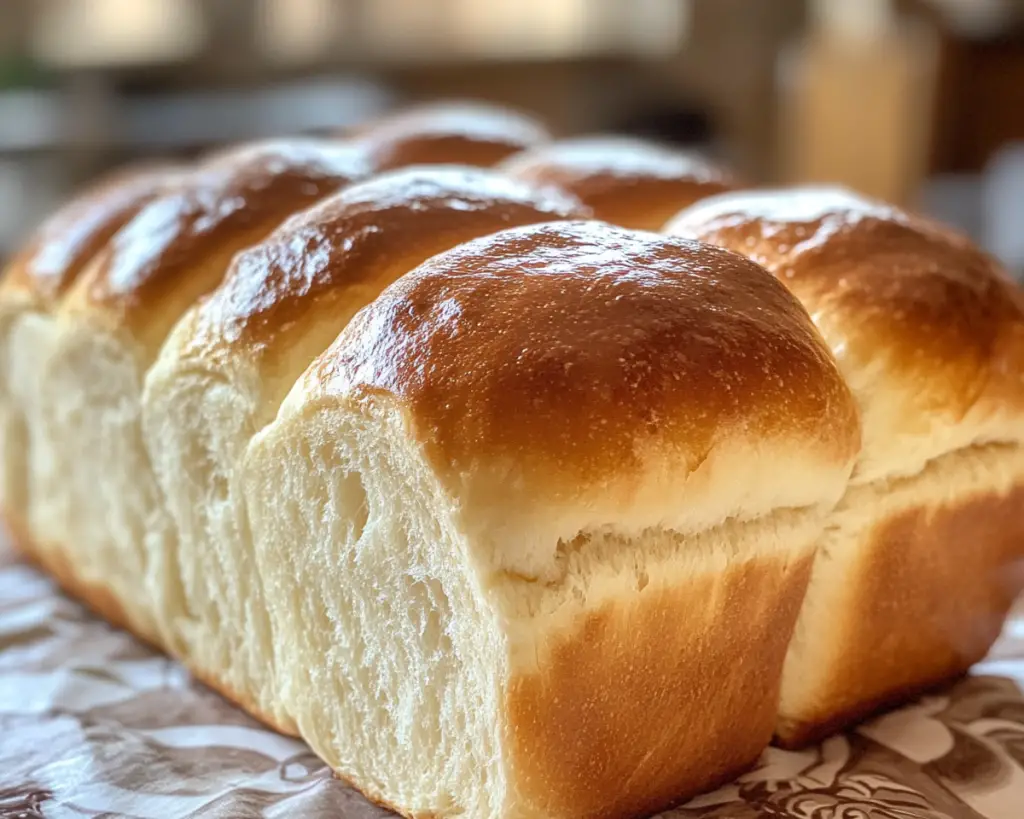
Imagine biting into a slice of bread so soft and fluffy that it seems to melt in your mouth. That’s exactly what you’ll experience with this extraordinary Soft and Fluffy Homemade Milk Bread. Picture yourself in a cozy kitchen, the aroma of warm bread enveloping you like a comforting hug. The beauty of this recipe lies not only in its delightful texture but also in how simple it is to make, even for beginners.
In this article, you will learn the secrets behind creating this delectable bread from scratch. You’ll discover the essential ingredients you’ll need, step-by-step instructions to guide you through the process, and variations to satisfy your creativity. Furthermore, we will address common mistakes and provide you with useful storage tips. Get ready to fill your home with the inviting smell of freshly baked homemade bread!
What Is Soft and Fluffy Homemade Milk Bread?
Soft and Fluffy Homemade Milk Bread is a delightful Korean-style bread known for its incredibly airy and tender texture. Originating in East Asia, this bread takes its name from the addition of milk, which enhances its softness and richness. The use of milk in the dough adds moisture, giving it a uniquely satisfying chew that is both comforting and indulgent.
The beauty of this bread lies in its versatility and flavor profile. Soft milk bread is slightly sweet, making it an excellent base for both savory toasts and sweet spreads. Whether you enjoy it with butter and jam for breakfast or use it in a gourmet sandwich for lunch, the bread’s light, fluffy structure allows for various culinary delights. What distinguishes this milk bread further is how it remains soft even days after baking, making it a reliable choice for busy families or meal prep enthusiasts.
The texture of Soft and Fluffy Homemade Milk Bread is akin to that of a cloud. Its pillowy soft crust encases a tender and moist crumb, making each bite a delightful experience. You’ll love the way it pulls apart effortlessly, allowing you to savor the moment just a little longer.
Why You’ll Love This
You are going to fall in love with this recipe not just for the flavor and texture, but for its practicality. Soft and Fluffy Homemade Milk Bread is surprisingly easy to make—it requires no special skills or tools. Even if you’re a beginner in the kitchen, with a bit of patience and love, you’ll produce a loaf you can proudly share with family and friends.
One impressive aspect of this recipe is its cost-effectiveness. Rather than spending a fortune on store-bought artisan bread, you can create something just as good, if not better, right in your home at a fraction of the cost. Plus, making your own bread allows you to control the ingredients, making it a healthier option compared to many commercial varieties that include preservatives and additives.
It’s also remarkably versatile. You can turn it into sandwiches, toast it for a breakfast spread, or even use it in your favorite French toast recipe. There is a misconception that baking bread is complicated, but this recipe will dispel that notion. You’ll also have the opportunity to explore variations and personalize your bread to fit your family’s preferences.
Ingredients You’ll Need
- All-purpose flour: This is the primary ingredient and gives the bread structure. You can also use bread flour for a chewier texture.
- Milk: Using full-fat milk helps create that rich, soft texture. You can substitute with almond or soy milk for a dairy-free option.
- Granulated sugar: Adds slight sweetness. Honey or agave syrup can also work as substitutes.
- Active dry yeast: This is essential for leavening the bread. Make sure it is fresh for the best results.
- Salt: Enhances flavor. Do not skip this, as it balances the sweetness of the sugar.
- Butter: Provides richness and helps keep the bread soft. You can use margarine or coconut oil as a substitute.
- Egg: Adds richness and helps bind the ingredients together. Use a flax egg for a vegan version.
Each of these ingredients plays a crucial role in the final product, contributing to the glorious texture and delightful flavor of the bread. It’s beneficial to ensure all ingredients are at room temperature to make it easier to mix and yield a better rise.
How to Make
- In a mixing bowl, combine the milk and granulated sugar. Sprinkle the active dry yeast over the top and let it sit for about 5-10 minutes until frothy. This ensures that the yeast is active and will help your bread rise beautifully.
- Once your yeast mixture is frothy, add in the egg and melted butter. Mix thoroughly to incorporate all the wet ingredients together.
- Add the all-purpose flour and salt to the wet mixture. Begin mixing with a spatula or your hands until it forms a rough dough. The dough will start to come together but may be slightly sticky to the touch.
- Transfer the dough onto a lightly floured surface. Knead for about 8-10 minutes until it becomes smooth and elastic. Kneading is crucial as this develops the gluten, which gives the bread its structure. If the dough is too sticky, sprinkle a little more flour, but try to restrain from adding too much.
- Shape the dough into a ball and place it in a lightly greased bowl. Cover it with a damp cloth or plastic wrap and allow it to rise in a warm place until doubled in size. This should take about 1-2 hours depending on the temperature of your kitchen.
- After the dough has risen, punch it down gently to release the air and shape it into a loaf. Place it in a greased bread pan and let it rise again for about 30-60 minutes, covered, until it rises just above the rim of the pan.
- Preheat your oven to 350°F (175°C). Once the dough has risen, uncover and bake for 25-30 minutes, or until golden brown and it sounds hollow when tapped on the bottom.
- Remove the bread from the oven and let it cool in the pan for about 10 minutes, then transfer it to a wire rack to cool completely before slicing. This cooling step is essential for achieving the perfect texture; cutting too soon could result in a gummy loaf.
By following these detailed instructions, you can be confident that your Soft and Fluffy Homemade Milk Bread will turn out wonderfully! Remember, patience is key in bread-making, so give yourself the time to let the dough rise adequately.
Variations & Substitutions
Flavored Milk Bread: You can easily enhance the flavor of your milk bread by adding ingredients like vanilla extract or spices such as cinnamon or nutmeg. This not only adds aroma but also elevates the taste profile. For a unique twist, consider swirling in some fruit preserves or chocolate chips before baking. This variation is perfect for those who love a sweet breakfast option without compromising on the classic soft texture.
Herbed Milk Bread: For a savory twist, you can incorporate finely chopped fresh herbs like rosemary or thyme. This variation is particularly great when paired with soups and salads. It is ideal for those who want an herbaceous and fragrant loaf that pairs perfectly with various dishes. Simply fold the herbs into the dough during the initial mixing stage.
Gluten-Free Milk Bread: For those needing a gluten-free option, substitute all-purpose flour with a gluten-free blend and add a bit of xanthan gum to help mimic gluten’s elasticity. Be sure to follow the instructions on your gluten-free flour package, as adjustments may be needed for this type of dough. This variation allows even gluten-intolerant individuals to enjoy homemade bread’s delightful softness without worry.
Vegan Milk Bread: To make this recipe vegan, replace the egg with a flax egg (1 tablespoon ground flaxseed mixed with 2.5 tablespoons of water) and use melted coconut oil in place of butter. Additionally, ensure that the milk you choose is plant-based, like almond or oat milk. This variation provides an excellent option for those on plant-based diets without sacrificing softness or flavor.
With these variations, you can personalize your Soft and Fluffy Homemade Milk Bread to fit every occasion, mood, or dietary preference!
Common Mistakes to Avoid
Baking bread may seem straightforward, but several common pitfalls can arise and lead to disappointing results. One of the most frequent mistakes is not allowing the dough to rise long enough. If you rush this process, your bread may turn out dense and lack the fluffy texture that is the hallmark of milk bread. Make sure to give your dough ample time to rise—patience is essential.
Another mistake is incorrect measuring of ingredients, particularly flour. Using too much flour can create a dry loaf, while too little can lead to excessive stickiness. Always measure with the spoon-and-level method: scoop the flour into the measuring cup and level it off with a knife.
Additionally, failing to properly activate your yeast can lead to a flat loaf. Always ensure your yeast is not expired and that your milk is warm but not hot; temperatures above 120°F (49°C) can kill the yeast.
Lastly, don’t underestimate the importance of cooling time before slicing. Cutting your bread too soon can result in a gummy texture. Allowing it to cool completely on a wire rack ensures that the crumb sets correctly.
Storage, Freezing & Reheating Tips
Proper storage of your Soft and Fluffy Homemade Milk Bread will help maintain its freshness. Once completely cooled, wrap the bread in plastic wrap or foil and store it at room temperature. It can last for up to three days, but it’s best enjoyed fresh.
For longer storage, consider freezing. Wrap the cooled bread tightly in plastic wrap and then in aluminum foil to prevent freezer burn. It can be frozen for up to three months. When you’re ready to enjoy it again, simply remove it from the freezer and allow it to thaw at room temperature.
If you find yourself with leftover bread, you can also turn it into crumbs for toppings on casseroles or toppings for salads, providing a waste-free approach to cooking.
When reheating, consider warming individual slices in a toaster or oven to restore its original fluffiness. Alternatively, you can wrap the whole loaf in foil and warm it in the oven at 350°F (175°C) for about 10 minutes.
Frequently Asked Questions
Can I use whole wheat flour instead of all-purpose flour?
Yes, you can use whole wheat flour, but it may lead to a denser bread. For best results, consider using a blend of whole wheat and all-purpose flour to maintain that fluffy texture. Additionally, whole wheat flour absorbs more liquid, so you may need to adjust the liquid content in the recipe.
What can I do if my dough doesn’t rise?
If your dough isn’t rising, it’s likely due to inactive yeast. This can happen if your yeast is expired or if the liquid used to activate the yeast was too hot. Ensure your yeast is fresh and that you are using the right temperature of liquid. Sometimes, placing the dough in a warmer spot can also help.
Can I add other ingredients, like nuts or fruits, to the dough?
Absolutely! Adding nuts, dried fruit, or chocolate chips can enhance the flavor and make your bread even more delicious. Just make sure to not overload the dough to maintain the right texture and rise. It’s better to fold these additional ingredients in gently after the first rise.
How do I know when my bread is fully baked?
You can tell your bread is done when it’s golden brown and sounds hollow when you tap the bottom. Additionally, using a digital thermometer, the inside temperature should be around 190°F (88°C) for the perfect bake.
What’s the best way to serve Soft and Fluffy Homemade Milk Bread?
This bread is incredibly versatile! You can serve it as a simple slice with butter and jam, use it for sandwiches, or even toast it for breakfast. It’s also delightful as a side with soups and salads, making it a perfect addition to just about any meal.
Conclusion:
Soft and Fluffy Homemade Milk Bread is more than just a recipe; it’s an experience that can bring joy and warmth to your kitchen and your table. This bread’s delightful texture and versatile nature make it a staple you’ll want on hand for various meals and occasions. Whether you experiment with flavors, share it with loved ones, or savor it yourself, this milk bread will undoubtedly become a cherished part of your cooking repertoire.
So why not try making your own Soft and Fluffy Homemade Milk Bread today? Remember to customize it to suit your tastes and don’t hesitate to share your own twists! Happy baking!