Prep time: 10 minutes
Cook time: 20 minutes
Total time: 30 minutes
Servings: 4
Roasted salmon or seasonal fish dishes are more than just meals; they evoke memories of family gatherings by the sea, the comforting aroma of spices mingling in the kitchen, and the satisfaction of producing something delightful that both nourishes and excites the palate. This dish is incredibly versatile, allowing you to highlight the beautiful flavors of fish while adapting to seasonal ingredients or your personal favorites. Whether you’re preparing a simple weeknight dinner for your family or impressing guests with a gourmet dish, roasted fish offers an accessible way to bring vibrant flavors to your table.
The magic of roasted salmon lies in its simplicity and the depth of flavor achieved through the roasting process. When roasting, you can achieve a perfect balance between a crispy exterior and a tender, succulent interior. Using seasonal fish means you’re not just paying homage to sustainability but also to the best flavors that nature has to offer at any given time. In this article, you’ll discover the essential cooking techniques, flavorful ingredients, and personalized variations that ensure roasted salmon or seasonal fish becomes a staple in your kitchen.
What Is Roasted Salmon or Seasonal Fish Dishes?
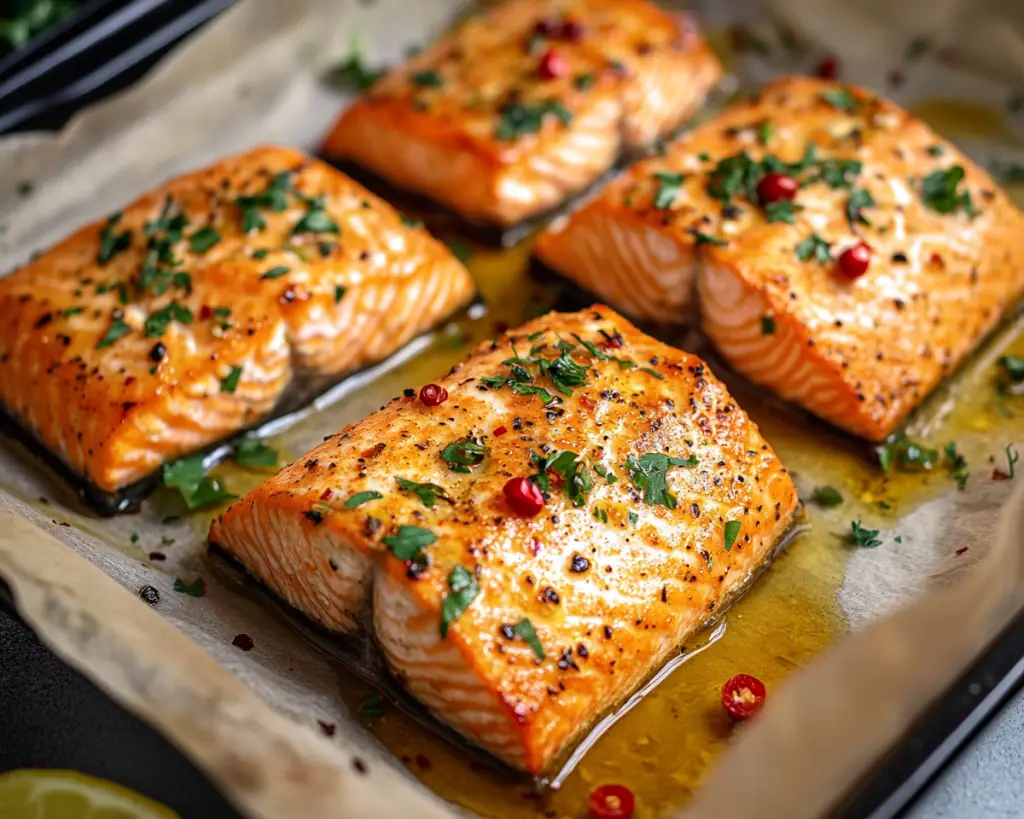
Roasted salmon or seasonal fish dishes are elegant yet straightforward preparations that highlight the natural flavors and textures of the fish. Originating from various culinary traditions around the world, roasting techniques have been employed for centuries to enhance the innate qualities of fresh fish. The dish often features a flavorful rub or glaze that complements the fish’s rich taste while allowing the fresh essence to shine. Whether you’re using salmon, trout, or any other seasonal fish, the roasting process caramelizes the natural sugars present in the fish, leading to an irresistible crust that beautifully contrasts with the flaky meat inside.
The texture of roasted fish can be described as crispy on the outside and melt-in-your-mouth tender on the inside. These contrasting textures, combined with a scorching hot oven, work to enhance the fish’s natural flavors, making each bite a delightful experience. The addition of herbs, spices, and a touch of citrus can provide an aromatic aspect that rounds out the dish. Signature methods like the use of a roasting pan or a lined baking sheet ensure even cooking while capturing excess juices, contributing to the overall flavor profile of the dish.
Why You’ll Love This
You will love roasted salmon or seasonal fish dishes for a multitude of reasons. First, they are incredibly quick and easy to prepare—perfect for busy weeknights when time is of the essence. The cleanup is minimal due to the straightforward cooking method, making it a favorite for home cooks who appreciate both ease and flavor. Additionally, this dish is not only delicious but also healthy. Salmon, for instance, is rich in omega-3 fatty acids and protein, offering an array of health benefits while being easy on the budget, especially when bought in bulk or on sale.
Many people assume that preparing fish is complicated or requires advanced culinary skills, but roasting is a foolproof method that virtually anyone can master. With just a few simple techniques, you can elevate your cooking and enjoy a gourmet-like meal right at home. The versatility of the recipe allows for experimentation; feel free to swap out spices, herbs, and even the type of fish based on your preferences or what’s in season. For example, switching from salmon to a lighter white fish can create a completely different yet equally enticing dish.
Ingredients You’ll Need
- Salmon fillets or seasonal fish: The star of the dish. Look for fresh, high-quality fish when possible. You may also substitute with trout, cod, or halibut.
- Olive oil: Essential for enhancing flavor and creating that beautiful golden crust. Avocado oil can be used as a substitute.
- Salt and pepper: Fundamental seasonings that enhance the natural flavor of the fish. Use kosher salt or sea salt for better texture.
- Lemon or lime: Adds acidity which brightens the flavors and balances the richness of the fish. Alternatively, try orange or grapefruit for different flavor profiles.
- Garlic: Adds a wonderful aromatic quality to the dish. You can substitute with garlic powder if fresh garlic isn’t available.
- Fresh herbs: Such as dill, parsley, or thyme. Fresh herbs bring a garden-fresh aspect to the dish. Dried herbs can be used but will not be as vibrant.
- Vegetables (optional): You can include seasonal vegetables like asparagus, zucchini, or bell peppers for added texture and nutrition.
Each ingredient plays a vital role. The fish provides the primary flavor, while the olive oil helps in cooking and enhances the taste and aroma. When combined with the acidity of lemon and the fragrance of herbs, a beautiful harmony is created on the plate.
How to Make
- Preheat your oven to 400°F (200°C). Make sure your oven is fully preheated before placing the fish inside. This ensures a beautifully roasted exterior.
- While the oven is heating up, prepare your fillets. Pat the fish dry with paper towels to remove excess moisture. This helps achieve a crispy exterior.
- Place the fish fillets on a lined baking sheet. Make sure there’s enough space between each piece for even roasting. You can line the sheet with parchment paper or foil for easier cleanup.
- Drizzle olive oil generously over each fillet, then season with salt and pepper. You can rub the oil over the fish to ensure an even coat. This is a crucial step for flavor and texture.
- Sprinkle minced garlic over the fish and add your choice of fresh herbs. If you’re feeling adventurous, try mixing different herbs to see which combinations you enjoy the most.
- Squeeze lemon juice over the top of the fish. This not only adds acidity but also enhances the overall flavor profile. Feel free to add lemon slices on top for added presentation.
- If you’re adding vegetables, arrange them around the fish on the same baking sheet. Season them with olive oil, salt, and pepper to ensure they roast evenly and absorb the fish’s flavors.
- Place the baking sheet in the preheated oven and roast for approximately 15-20 minutes, depending on the thickness of the fillets. When the fish flakes easily with a fork, it is done. Make sure to keep an eye on it to prevent overcooking.
- Once done, remove from the oven and let it rest for a few minutes. This helps to keep the juices in the fish. Serve immediately, garnished with additional lemon wedges and fresh herbs if desired.
Cooking your own roasted fish is incredibly rewarding. Take your time through each step and notice how the fish transforms and the aroma fills your kitchen. Enjoy the process as much as the final dish!
Variations & Substitutions
Herb-Crusted Variation
In this variation, you can create a fantastic herb crust using a blend of fresh herbs like dill, basil, and parsley mixed with breadcrumbs. The crunchiness of the breadcrumbs on top gives a lovely texture, adding another layer of flavor. This method is perfect for those who enjoy their fish with a bit of a crispy finish. Simply mix the chopped herbs and breadcrumbs together, then sprinkle over the fish before you start roasting. This version caters to folks who prefer more textural contrast in their dishes, making it an ideal option for entertaining.
Asian-Inspired Variation
You can shift flavors by creating an Asian-inspired dish. Use soy sauce, ginger, and sesame oil as your base. Brush the fish with this mixture before roasting and sprinkle sesame seeds on top. This variation is fantastic for those who love bold flavors. Serve it with a side of rice and steamed vegetables for a complete meal. The umami notes from the soy sauce and the brightness from ginger complement the fish beautifully, offering a delightful alternative to those seeking a twist on traditional flavors.
Mustard and Honey Glaze Variation
For a distinctive flavor profile, consider using a glaze made from Dijon mustard and honey. Mix equal parts mustard and honey, and brush it generously over the salmon before roasting. This sweet and tangy combination gives the fish a beautiful caramelized finish while enhancing its natural flavor. It works wonderfully for guests who may not typically enjoy fish, as the glaze masks any strong fishiness. It’s a delightful approach to introducing new flavors while maintaining the essence of the original dish.
Vegetarian Variation
For a vegetarian twist, consider using hearty vegetables like eggplant or portobello mushrooms as a substitute for fish. Marinate them with similar seasonings as the fish, then roast until the vegetables are tender and flavorful. Not only does this cater to vegetarians, but it also provides a healthy option for anyone looking for a lighter meal. Pair these roasted veggies with a grain salad for a balanced and nourishing dish that still embodies the spirit of roasting.
Common Mistakes to Avoid
One common mistake is overcooking the fish, leading to a dry texture that disappoints most palates. To prevent this, keep your cooking time in check and rely on visual cues—look for the fish to become opaque and easily flake when pulled apart with a fork. Another mistake is not seasoning the fish adequately. Simply sprinkling salt and pepper may not be enough to bring out the fish’s flavor, especially if it’s a thicker cut. Don’t skimp on marinade or seasoning; it makes all the difference.
Make sure to use a baking sheet that allows for adequate air circulation around the fish. If the fish is crowded, it can steam rather than roast, affecting texture. Also, be cautious about the herbs you use; delicate herbs can burn during roasting. Use hardier herbs for roasting and add softer ones towards the end to maintain their flavor.
Storage, Freezing & Reheating Tips
When it comes to storing roasted salmon or seasonal fish, it’s best to consume it fresh. However, if you have leftovers, let the fish cool down and wrap it tightly in plastic wrap or foil before placing it in an airtight container. Storing it in the fridge will keep it fresh for up to three days. For longer-term storage, consider freezing the fish. When freezing, wrap it well to prevent freezer burn and use it within three months for optimal flavor and texture.
When reheating, be cautious not to overcook the fish again. A simple method is to gently reheat it in the oven at a low temperature; this will make sure the fish retains its moisture without becoming overcooked. You can also add a splash of lemon juice before reheating to help lock in moisture and enhance flavor.
Frequently Asked Questions
What is the best type of fish to use for roasting?
The best type of fish to use depends on personal preference and seasonality. Salmon is widely favored for its rich flavor and fat content, which helps keep it moist during cooking. However, you can also experiment with other varieties like trout, cod, or halibut, each providing a different taste and texture. Always seek the freshest fish available to ensure the best flavor experience.
Can I roast frozen fish?
Yes, you can roast frozen fish, but there are a few important things to consider. Frozen fish should be thawed completely before roasting for even cooking. If time does not allow for thawing, you may need to extend your cooking time. Keep in mind that thawed fish generally cooks more evenly and retains moisture better than its frozen counterpart.
Can I use dried herbs instead of fresh?
Absolutely, dried herbs can be used in place of fresh herbs, though the flavor may not be quite as vibrant. A general rule of thumb is to use one-third of the amount of dried herbs compared to fresh since dried herbs are more concentrated in flavor. Make sure to add dried herbs early in the cooking process to allow their flavors to infuse into the fish.
How do I know when my fish is done cooking?
Your fish is done cooking when it becomes opaque and flakes easily with a fork. A general guideline is to cook the fish for about 10 minutes per inch of thickness at 400°F (200°C). Alternatively, using a meat thermometer can help; the fish should reach an internal temperature of 145°F (63°C) to ensure it’s fully cooked.
Can I prepare the fish ahead of time?
Yes, you can prepare the fish ahead of time by seasoning it and allowing it to marinate in your desired flavors. Just remember that if you’re using acidic marinades (like citrus juice), it’s best to marinate for no more than 30 minutes to avoid the fish becoming mushy. Storing prepped fish in the refrigerator will keep it fresh and flavorful until you’re ready to cook.
Conclusion:
Roasted salmon or seasonal fish dishes embody the essence of simple yet elegant cooking. The straightforward preparation process allows the fish to shine, enhanced by your favorite flavors and seasonal ingredients. You have the chance to customize this dish to fit your family’s tastes, ensuring it will become a regular feature on your dinner table. Challenge yourself with various variations to keep things exciting and satisfying, and share your culinary adventures with others. Don’t hesitate; dive into this delightful dish and create memorable moments with every meal!