**Prep Time**: 15 minutes
**Cook Time**: 30 minutes
**Total Time**: 45 minutes
**Servings**: 24 cookies
Scottish shortbread cookies are a classic treat that embodies the spirit of Scotland in each crumbly bite. There’s something remarkably nostalgic about the texture of these cookies, which are known for their buttery richness and simple yet delightful flavor. Originating from Scotland, shortbread cookies have a long history, dating back to the 12th century when they were made from leftover bread dough that was baked twice. Over the years, they have evolved into the beloved cookie that we know today, characterized by its rich, buttery taste and crumbly texture.
What makes Scottish shortbread so special is the simplicity of the ingredients: just butter, sugar, and flour, with the occasional addition of rice flour for texture. The result is a cookie that is not overly sweet but is perfectly satisfying, making it a perfect companion for your cup of tea. In this article, you’ll learn how to make traditional Scottish shortbread cookies, with tips for success and variations that will keep things exciting.
What Is Scottish Shortbread?
Scottish shortbread is a biscuit that has become synonymous with Scottish baking. Made traditionally with three main ingredients—**butter**, **sugar**, and **flour**—shortbread has a rich and crumbly texture that melts in your mouth. The unique method of preparation involves creaming the butter and sugar before incorporating the flour, which helps achieve that signature crumbly texture.
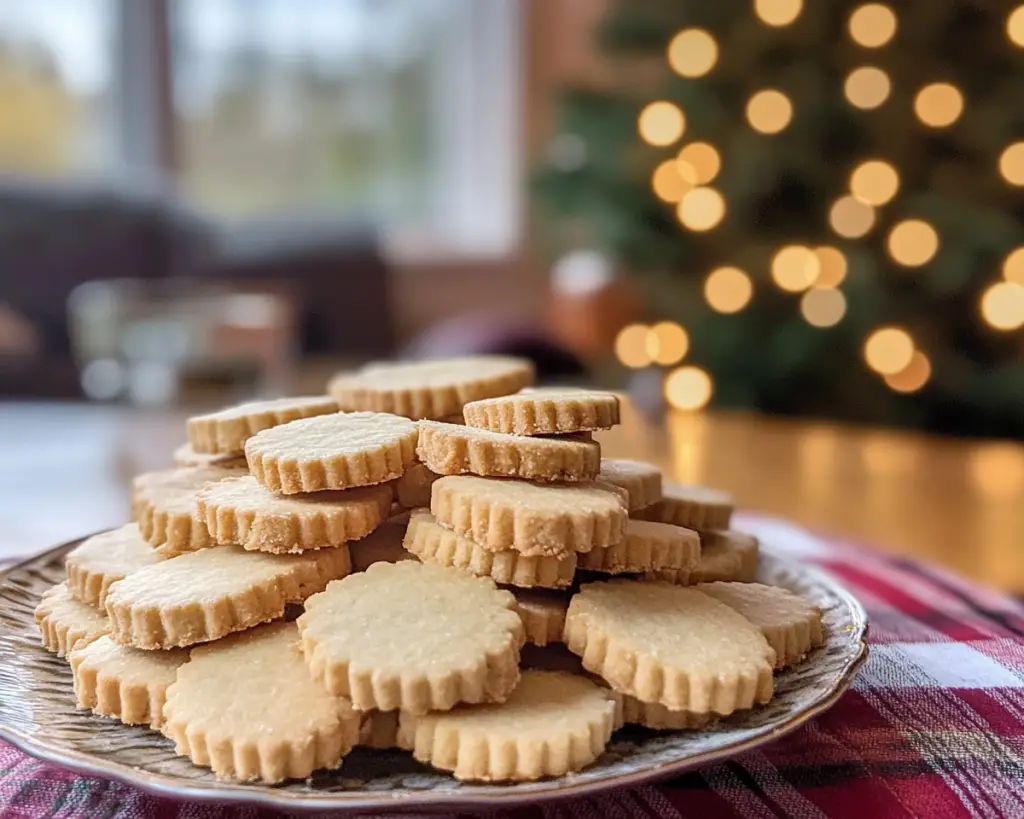
These iconic cookies often exhibit a pale golden color, indicating the perfect balance of baked flour and butter. When you take a bite, you’ll experience a slight crunch followed by a soft, melt-in-your-mouth finish. There are two main types of shortbread: the classic, which uses equal parts of butter, sugar, and flour; and the “fancy” version, which includes additional flavorings.
Traditionally, shortbread is associated with special occasions in Scotland, particularly during Christmas and Hogmanay (Scottish New Year’s Eve). However, their wonderful flavor and comforting texture have made them a favorite treat year-round.
Why You’ll Love This Scottish Shortbread
There are countless reasons to fall in love with Scottish shortbread cookies. First and foremost is their taste. The deep richness of butter combined with the slight sweetness of sugar creates a harmonious blend that appeals to both children and adults alike. These cookies aren’t overly sweet, which means they pair exceptionally well with tea or coffee, making them a wonderful snack for any time of day.
From a practical standpoint, baking shortbread is simple and straightforward—perfect for busy parents or novice bakers! With just three main ingredients, you can whip up a batch in under an hour, and the cookie dough can be chilled, making it easy to make ahead of time. Moreover, this recipe is budget-friendly; the ingredients are relatively inexpensive, and they yield a large number of cookies, making it ideal for families or for sharing with friends.
Another reason to love this recipe is its versatility. While traditional shortbread is delicious on its own, you can play around with flavors and mix-ins such as chocolate chips, nuts, or dried fruit to suit your preferences. This flexibility means you can make different variations that cater to your personal taste or dietary needs.
Some people worry that making shortbread can be tricky, but with the right techniques, it’s actually quite simple. Following this recipe will ensure you avoid common mistakes that often plague novice bakers.
Ingredients You’ll Need
Here’s what you’ll need to create your homemade Scottish shortbread cookies:
– **1 cup (226 grams) unsalted butter**: At room temperature, butter is the star ingredient, giving shortbread its rich flavor and tender texture. Unsalted is preferred so you can control the salt level yourself. If you only have salted butter, reduce the added salt in the recipe.
– **1/2 cup (100 grams) granulated sugar**: This sugar provides sweetness and aids in creating a light texture. For a slightly different flavor, you can substitute a part of it with brown sugar.
– **2 cups (240 grams) all-purpose flour**: The foundation of the cookie, all-purpose flour gives structure. Make sure to sift it to avoid lumps.
– **1/4 cup (30 grams) rice flour**: This is optional but highly recommended as it contributes to the characteristic crumbly texture of traditional shortbread. If you can’t find rice flour, you can increase the all-purpose flour to 2 1/4 cups.
– **1/4 teaspoon salt**: Enhances the flavors of the other ingredients. Use fine sea salt for the best distribution.
– **Optional flavorings**: You may choose to add a dash of vanilla extract or a pinch of lemon zest to elevate the flavor profile.
By using high-quality butter and proper measurements, you’ll ensure that these cookies turn out perfectly every time!
How to Make Scottish Shortbread
1. **Preheat the Oven**: Start by preheating your oven to 325°F (160°C). This step is crucial because a properly heated oven ensures even baking – producing that golden-brown exterior while keeping the cookie tender on the inside.
2. **Cream the Butter and Sugar**: In a large mixing bowl, beat the unsalted butter until it’s creamy and light in color. Gradually add the granulated sugar and continue to beat until the mixture becomes fluffy. This process is vital for incorporating air into the butter which helps create a light texture.
3. **Mix in the Flours and Salt**: Sift the all-purpose flour, rice flour (if using), and salt together. Gradually add this dry mixture into the butter and sugar mixture. Use a wooden spoon or a spatula to mix until combined; avoid over-mixing as this can result in tough cookies.
4. **Shape the Dough**: Transfer the dough onto a lightly floured surface. With your hands, gently press and shape the dough into a flat disc. You can now either roll it out to cut shapes or simply press it into a greased or lined baking tray for square or rectangular cookies.
5. **Cut the Cookie Shapes**: If rolling out the dough, roll it to about 1/4 inch thick and use cookie cutters to cut the desired shapes. If using a tray, score the dough lightly with a knife to create your cookie squares. This makes it easier to cut after baking.
6. **Chill the Dough**: Before baking, it’s best to chill the dough for at least 15 minutes in the fridge. This helps in maintaining its shape during baking and enhances the flavor.
7. **Bake the Cookies**: Place the shaped dough onto a baking sheet lined with parchment paper and bake for 25-30 minutes or until the edges turn lightly golden. Keep an eye on them to prevent burning!
8. **Cool and Serve**: Allow the cookies to cool on the baking sheet for a few minutes before transferring them onto a wire rack to cool completely. This cooling process helps them firm up.
9. **Enjoy**: Your Scottish shortbread cookies are now ready to be enjoyed with a cup of tea or coffee! Feel free to sprinkle some sugar on top before baking for added sweetness and a sugary crust.
5 Variations & Substitutions
1. **Chocolate Chip Shortbread**: For a delightful twist, add **1/2 cup (90 grams) chocolate chips** to the dough. The rich chocolate complements the buttery flavors beautifully. You can use dark, milk, or even white chocolate, depending on your preference. To ensure even distribution, fold the chocolate chips into the dough gently just before shaping.
2. **Citrus Zest Shortbread**: Adding the zest of **one lemon or orange** to the dough gives an aromatic, zesty punch. Citrus pairs nicely with the butter and sugar, creating a refreshing flavor profile. Add this zest while mixing the butter and sugar, and maybe reduce the sugar slightly to balance the flavor.
3. **Herb-Infused Shortbread**: For a savory alternative, consider mixing in **finely chopped rosemary or thyme** (about 1 tablespoon) into the dough. This unique flavor combination is fantastic with cheese and pairs beautifully with a glass of wine.
4. **Nuts and Seeds Shortbread**: Stir in **1/4 cup (30 grams) toasted nuts** (like pecans, almonds, or walnuts) or **seeds** (like sesame or sunflower) into the dough for added texture and flavor. Be sure to chop the nuts finely so that they blend well without overwhelming the shortbread.
5. **Gluten-Free Shortbread**: Substitute the all-purpose flour with a **gluten-free flour blend**. Many good-quality blends are available on the market. If the blend lacks xanthan gum, you may need to add a little to help bind the ingredients together. The flavor might vary slightly, but you’ll still get that classic shortbread consistency.
Common Mistakes to Avoid
Making Scottish shortbread cookies is easy, but there are some common pitfalls to avoid for the best results. One critical mistake is overworking the dough. When mixing ingredients, aim to mix just until combined; overworking can develop gluten and lead to tougher cookies rather than achieving that delicate and crumbly texture that shortbread is known for.
Another mistake is skimping on chilling the dough. Chilling is essential as it helps solidify the fats in the dough, ensuring that the cookies hold their shape during baking. If you skip this step, you’ll likely end up with flat cookies that spread too much.
Pay attention to baking times; underbaking will result in soft, doughy cookies, while overbaking can make them hard and crunchy. It’s essential to check your cookies a few minutes before the recipe indicates, as oven temperatures can vary.
Also, ensure you’re using quality butter. Cheap margarine or spreads can affect both the taste and texture of your cookies. Quality ingredients make all the difference in flavor, so opt for a good brand of unsalted butter for the best results.
Lastly, avoid substituting rice flour with cornstarch. While both may seem like viable alternatives, rice flour contributes to the unique texture of traditional shortbread that cornstarch cannot replicate.
Storage, Freezing & Reheating Tips
To keep your Scottish shortbread cookies fresh, store them in an airtight container at room temperature. They’ll stay delicious for about a week. If you need to extend their shelf life, you can freeze the cookies. Place them in a single layer in a freezer-safe container, separating layers with parchment paper. They’ll keep for up to 2 months in the freezer.
When you’re ready to enjoy your frozen cookies, simply remove them from the freezer and allow them to thaw in the container at room temperature. This will help maintain their texture and flavor.
**Reheating** is typically unnecessary for shortbread as they are best enjoyed at room temperature. However, if you prefer them warm, you can pop them in a preheated oven at 300°F (150°C) for about 5-7 minutes. Be careful not to overbake; you just want to warm them slightly.
To ensure food safety, avoid leaving cookies out for extended periods, and always remember to check for freshness, especially if they have been stored for a while.
Frequently Asked Questions
1. **Can I use salted butter instead of unsalted?**
Yes, but if you use salted butter, it’s best to reduce or omit the extra salt in the recipe. Unsalted butter allows you to control the salt level, which helps enhance the overall flavor of the cookies.
2. **How can I achieve the best texture?**
To get that iconic crumbly texture, make sure to cream the butter and sugar properly. Additionally, incorporating rice flour or allowing the dough to chill before baking can contribute positively to the texture.
3. **Can I make the dough ahead of time?**
Absolutely! The dough can be made ahead and stored in the fridge for up to 3 days or frozen for up to 2 months. When you’re ready, shape the cookies and bake them straight from the freezer or after letting them thaw in the fridge.
4. **Can I make flavored shortbread?**
Yes! You can experiment with various flavorings by adding citrus zest, vanilla extract, or spices like cinnamon. The key is to incorporate these flavors during the initial stages of mixing the butter and sugar.
5. **What’s the best way to cut shortbread?**
If you’re baking a large block of dough in a tray, allow the block to cool slightly before cutting it into squares or fingers. Scoring the dough with a knife before baking can help guide the cuts and yield even pieces.
In conclusion, Scottish shortbread cookies are a delightful treat that can be enjoyed any time of the year. Their buttery flavor, crumbly texture, and versatility make them a must-try in any kitchen. I encourage you to give this recipe a try and explore various flavors and variations on your own. Not only will you end up with a delicious batch of cookies to enjoy, but you might also discover a new favorite snack to share with family and friends. So, tie on your apron, gather your ingredients, and let’s get baking!