**Prep Time:** 20 minutes
**Cook Time:** 15 minutes
**Total Time:** 35 minutes
**Servings:** Approximately 20 pieces
Orange jelly candy is a delightful treat that evokes the bright taste of summer with every bite. The combination of sweet and tangy flavors is incredibly refreshing, making this candy a perfect choice for satisfying your sweet tooth or even gifting during festive seasons. While there are many candy recipes available, homemade orange jelly candy stands out in its simplicity and the joy of creating something tasty from scratch.
Throughout this article, you will learn how to create delicious orange jelly candy at home, including the ingredients and materials needed, step-by-step instructions, variations, and common mistakes to avoid. Whether you are a seasoned cook or a kitchen novice, this recipe is straightforward and approachable, allowing everyone to enjoy satisfying homemade treats.
What Is Orange Jelly Candy?
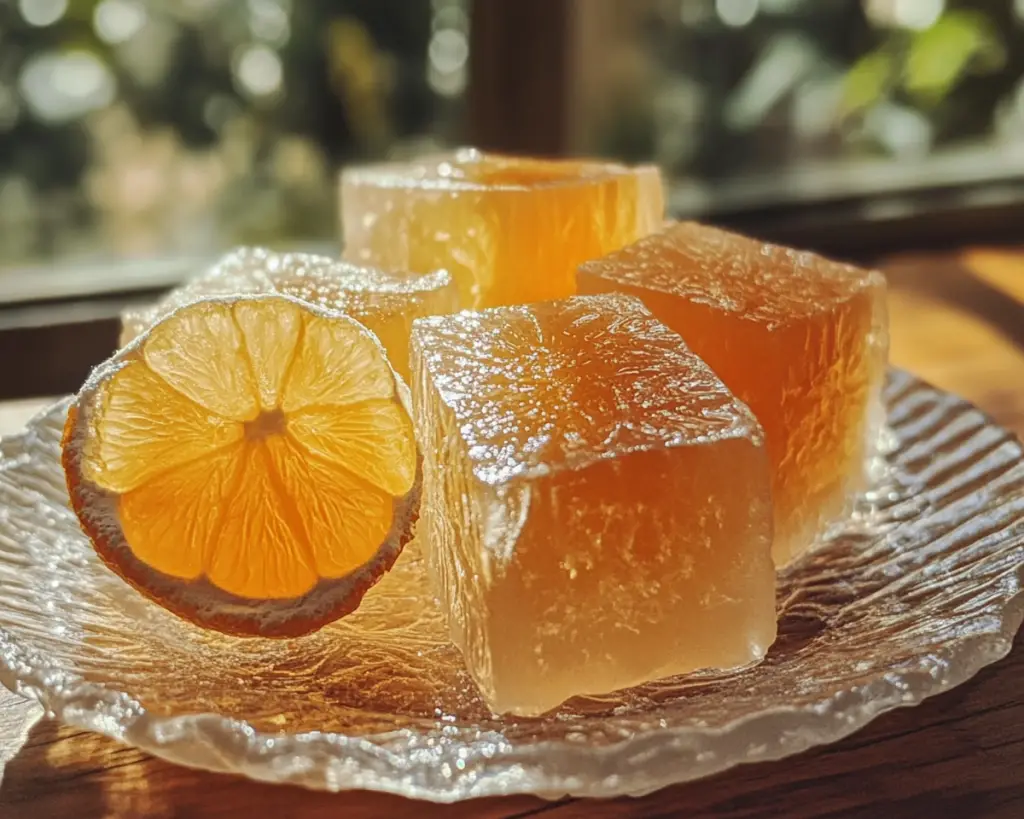
Orange jelly candy is a chewy, sweet treat made primarily from orange juice, sugar, and gelatin. The candy gets its signature jiggle and bouncy texture from the gelatin, which thickens the mixture when it cools. As for the flavor, the brightness of the fresh orange juice complements the sweetness of the sugar, offering a delightful balance that pleases the palate.
Originating as a type of confectionery in various cultures around the world, jelly candies have been traditionally made using fruit juices combined with sugar and a gelling agent. They are often enjoyed as snacks, desserts, or party favors and can be cut into different shapes for visual appeal. The vibrant orange color makes them eye-catching and fun to eat, capturing the essence of sunny days and sweet moments.
Making orange jelly candy at home allows you to control the ingredients and customize the flavors to your liking. You can adjust the sweetness, use alternative sweeteners, or explore other citrus fruits if you’re feeling adventurous. Whether made for yourself or to impress guests, orange jelly candy is a nostalgic, delicious treat that evokes happiness and creativity in the kitchen.
Why You’ll Love This Orange Jelly Candy
One of the main reasons you’ll love making orange jelly candy is its **simplicity**. The recipe requires just a few ingredients and straightforward steps, which makes it accessible for novice cooks and busy parents alike. In under an hour, you can create a batch of bright, zesty candies to share with family or friends, ideal for summer gatherings, parties, or as a homemade gift.
Moreover, orange jelly candy is **versatile**. You can incorporate different flavors by mixing in other citrus juices, experimenting with various sweeteners, or adding complementary ingredients like grated ginger or mint leaves for an extra zing. This adaptability ensures that you can customize the taste to fit your preferences and dietary needs.
Another benefit is the **cost-effectiveness** of making your own jelly candy. Store-bought options may contain preservatives and artificial flavors, but when you make them at home, you can avoid those additives. This recipe only requires natural ingredients, giving you peace of mind about what you’re consuming.
Furthermore, homemade jelly candy is a fantastic way to **explore creativity in the kitchen**. You can shape the candy in different molds, create vibrant layers, or dust them with powdered sugar or citric acid for an enticing finish. The whole process can be a fun family activity, helping you bond while learning new culinary skills.
Ingredients You’ll Need
To make this delicious orange jelly candy, you will need the following ingredients:
– **1 cup fresh orange juice**: This is the star ingredient, providing the sweet and tangy flavor. Freshly squeezed juice will yield the best taste and aroma, but if you’re pressed for time, store-bought juice can work too.
– **1/4 cup granulated sugar**: This helps sweeten the mixture. Feel free to adjust the amount based on how sweet you want the candy to taste. Alternative sweeteners like honey, agave syrup, or powdered stevia can be used, but the texture may differ slightly.
– **2 tablespoons gelatin powder**: Gelatin is the gelling agent that gives the candy its chewy texture. If you’re looking for a vegetarian or vegan alternative, you can use **agar-agar**, a plant-based gelling agent derived from seaweed. Follow the package instructions for the correct ratio, as it may differ from gelatin.
– **1/4 cup water**: This component is needed to dissolve the gelatin and help it incorporate smoothly into the mixture.
– **Optional: Zest of one orange**: Including the zest will enhance the orange flavor and add a lovely aromatic quality to your candy. It’s a great way to make your candy more flavorful without adding additional sweetness.
– **Optional: Cornstarch or powdered sugar for dusting**: This is used to coat the finished jelly candies. It prevents them from sticking together and adds a nice finishing touch.
These simple ingredients create a delightful treat that is both refreshing and satisfying. The balance of sweetness and tartness combined with the chewy texture makes orange jelly candy an irresistible snack.
How to Make Orange Jelly Candy
Follow these step-by-step instructions to create your own delicious orange jelly candy:
1. **Prepare Your Ingredients**: Start by collecting all your ingredients and measuring them out. This will make the cooking process more efficient. If using fresh oranges, juice them until you get 1 cup of juice and zest them if desired.
2. **Bloom the Gelatin**: In a small bowl, combine the gelatin and water. Stir gently and let it sit for about 5-10 minutes until it thickens and absorbs the water. This process is called blooming and is crucial for achieving the right texture in your candy.
3. **Heat the Juice Mixture**: In a saucepan, combine the fresh orange juice and granulated sugar. Heat this mixture over medium heat, stirring until the sugar has completely dissolved. It should take about 2-3 minutes. Don’t let it boil, as this can alter the texture of the candy.
4. **Incorporate the Gelatin**: Once the sugar has dissolved, remove the saucepan from the heat. Add the bloomed gelatin mixture to the warm orange juice and stir vigorously to ensure the gelatin is fully incorporated. This step is critical for avoiding lumps in the finished candy, so be thorough.
5. **Pour Into Molds**: Prepare a silicone mold or a plastic dish by lightly greasing it with cooking spray or lining it with parchment paper. Pour the orange jelly mixture into the mold, making sure it is evenly distributed. Allow it to cool at room temperature for a few minutes before transferring it to the refrigerator.
6. **Chill Until Set**: Refrigerate the jelly mixture for at least 4 hours, or until it is fully set. This step is essential for achieving that desirable chewy texture. The longer it sits, the firmer it will become, so you can experiment with chilling times if you’re aiming for a specific texture.
7. **Cut the Candy**: Once the jelly is set, remove it from the fridge. If you used a silicone mold, gently pop the candies out. If you used a dish, flip it onto a cutting board and slice it into bite-sized pieces using a sharp knife. For a more professional look, wash the knife with warm water between cuts to ensure clean edges.
8. **Dust the Candies**: If desired, toss the pieces in a combination of cornstarch and powdered sugar to prevent sticking and add a subtle sweetness. This step is optional but helps give the candy a polished finish.
9. **Store and Enjoy**: Store your orange jelly candies in an airtight container at room temperature for a week or refrigerate them for more extended freshness. Whenever you’re in need of a quick sweet treat or a gift for someone special, these candies will be ready to satisfy.
10 Variations & Substitutions
While the classic orange jelly candy recipe is delectable, there are numerous ways to mix things up! Here are some fun variations and substitutions to try:
1. **Grapefruit Jelly Candy**: Substitute half of the orange juice with fresh grapefruit juice for a more tart and sophisticated candy. The bitterness of grapefruit will balance the sweetness beautifully, making it a perfect adult treat.
2. **Mixed Citrus Jelly Candy**: For a zesty medley, combine fresh orange, lemon, and lime juices in equal parts. This will give you a vibrant, colorful candy with a complex flavor profile, perfect for those who love citrus.
3. **Berry-Infused Candy**: Add mashed berries, such as strawberries or blueberries, to the mixture just before pouring it into molds. This not only changes the flavor but also adds a beautiful color and texture to the final product.
4. **Pineapple Orange Jelly Candy**: Replace the orange juice with fresh pineapple juice for a tropical twist. This variation will make the candy sweeter, and you can even add shredded coconut for an island vibe.
5. **Ginger-Infused Jelly Candy**: Add grated ginger or a splash of ginger juice for a spiced kick. This is an excellent variation for those who enjoy a bit of heat, and ginger is known for its digestive benefits.
6. **Sugar-Free Option**: Use your favorite sugar substitute when making the candy, such as erythritol or monk fruit sweetener. Adjust the quantity according to sweetness preference as sugar substitutes can vary in sweetness levels.
7. **Vegan Version**: As mentioned earlier, you can easily replace gelatin with agar-agar or pectin to make the candy vegan-friendly. Follow the specific instructions of this ingredient for the best results.
8. **Layered Jelly Candy**: Create colorful layers by preparing different juice flavors separately (like orange and lemon). Pour one layer, let it set a bit, then add the next layer, making sure to let each layer set partially before adding the next.
9. **Coconut Orange Jelly Candy**: Mix a little coconut milk into the orange juice for a creamy, luscious flavor. You can use unsweetened coconut milk to control sugar content, making it decadent without being overly sweet.
10. **Chocolate-Dipped Jelly Candy**: For an indulgent twist, dip pieces of the finished jelly candy in melted dark or white chocolate and let them set before consuming. The chocolate outer layer adds richness and contrast to the chewy candy.
With these variations, you can customize your orange jelly candy based on your preferences or dietary needs. Don’t be afraid to experiment and find unique versions that intrigue your taste buds!
Common Mistakes to Avoid
Making homemade candy can be tricky, especially if you’re not aware of common pitfalls. Here are some mistakes to watch out for:
– **Not Blooming the Gelatin Properly**: If the gelatin doesn’t bloom correctly, it can lead to a grainy texture in your candy. Make sure to allow the gelatin to soak in the water until it’s completely absorbed and has thickened before adding it to the heated mixture.
– **Boiling the Mixture**: When heating the orange juice and sugar, avoid letting it boil. **Boiling can break down the gelatin**, leading to a texture that is rubbery rather than chewy. Always keep the mixture just below boiling.
– **Under or Overcooking the Candy**: Timing is essential. If you undercook it, the jelly may not set properly, resulting in a soupy mess. Conversely, overcooking can lead to a candy that is hard and chewy rather than soft. Stick to the provided timing for best results.
– **Skipping the Dusting Step**: If you skip dusting the finished candy with cornstarch or powdered sugar, your jelly candies may stick together. This makes them challenging to separate and eat later. Dusting protects the candies and enhances their visual appeal.
– **Not Using Fresh Ingredients**: Using old or inferior-quality ingredients can significantly affect the taste of your jelly candy. Always opt for **fresh orange juice** and avoid juice from concentrate when possible for optimal flavor.
By keeping these common pitfalls in mind, you’ll increase your chances of creating beautifully textured and delicious orange jelly candy for all to enjoy!
Storage, Freezing & Reheating Tips
Storing homemade candy correctly is key to maintaining its freshness and texture. Here are some helpful tips to keep in mind:
– **Airtight Container**: After making your orange jelly candy, store it in an airtight container. This will keep the candies from drying out and maintain their chewy texture. You can line the container with parchment paper for extra protection.
– **Room Temperature or Refrigerator**: Orange jelly candy can be stored at room temperature for up to a week. However, if you prefer a firmer texture or want to prolong its shelf life, refrigerate it.
– **Freezing for Longer Storage**: If you want to keep your candies for a more extended period, consider freezing them. Place the candies in a single layer on a baking sheet to freeze them without touching. Remove the sheet once they are frozen solid and transfer them to a freezer-safe container or bag. You can store them in the freezer for up to three months. When you’re ready to eat them, let them defrost at room temperature for about 30 minutes.
– **Avoid Moisture**: Make sure to keep the candies away from moisture, as this can lead to them becoming sticky and unpleasant. Store in a cool, dry place and avoid places prone to humidity, like near your stove or in direct sunlight.
By following these storage tips, you can ensure your orange jelly candy remains a delightful treat, ready for sharing or enjoying at your leisure!
Frequently Asked Questions
1. **How long do homemade orange jelly candies last?**
Homemade orange jelly candies can last about 5 to 7 days when stored in an airtight container at room temperature. If refrigerated, they can last up to two weeks. For longer storage, freeze them in an airtight container for up to three months.
2. **Can I use store-bought orange juice?**
Yes, you can use store-bought orange juice, but for the best flavor and freshness, it’s highly recommended to use freshly squeezed orange juice. Store-bought juices can sometimes have added sugars or preservatives, which can affect the taste and texture.
3. **Is there a way to make these candies spicier?**
Absolutely! You can add grated ginger or even a sprinkle of cayenne pepper into your orange mixture to provide a spicy kick. This contrast of heat with sweetness can create an exciting flavor profile.
4. **Can these candies be made without sugar?**
Yes! You can use sugar substitutes like erythritol, stevia, or monk fruit sweetener to make sugar-free jelly candies. However, ensure you check the conversion ratios as different sweeteners vary in sweetness levels.
5. **What should I do if my jelly candy is too sticky?**
If your jelly candy turns out too sticky, it might be a result of using too much liquid or insufficient time to set. To rectify, you can coat the candies in cornstarch or powdered sugar to help absorb some stickiness. Alternatively, allow them to dry out for a longer time at room temperature before storing them.
In conclusion, orange jelly candy is a delightful treat that brings a burst of flavor and joy to any occasion. With its vivid color, chewy texture, and refreshing taste, it is sure to be a hit among friends and family. Not only is this recipe easy to follow, but it also invites you to experiment with flavors and variations to suit your preferences.
So, roll up your sleeves, gather your ingredients, and dive into the exciting world of homemade candies. You never know; this might just lead to a new favorite family recipe. Share these delightful treats with loved ones, or keep them all for yourself — you won’t regret it! Happy candy making!