Prep time: 5 minutes
Cook time: 0 minutes
Total time: 5 minutes
Servings: 8 servings
There’s something incredibly satisfying about creating homemade condiments, and when it comes to **mayonnaise**, nothing beats the taste and creaminess of a fresh batch made from scratch. Imagine a rich, velvety spread that elevates your sandwiches, adds creaminess to salads, or serves as a base for sauces! This homemade mayonnaise recipe is not only quick and easy but also a game-changer for anyone looking to enhance their culinary adventures.
When you whip up your own mayonnaise, you gain complete control over the ingredients used. There are no preservatives or additives—just the delightful flavors of fresh ingredients blended to perfection. Throughout this article, you’ll explore the simplicity of making homemade mayo, along with tips for perfecting your technique, variations for different tastes, and answers to common questions you might have.
What Is Homemade Mayonnaise (Quick + Creamy)?
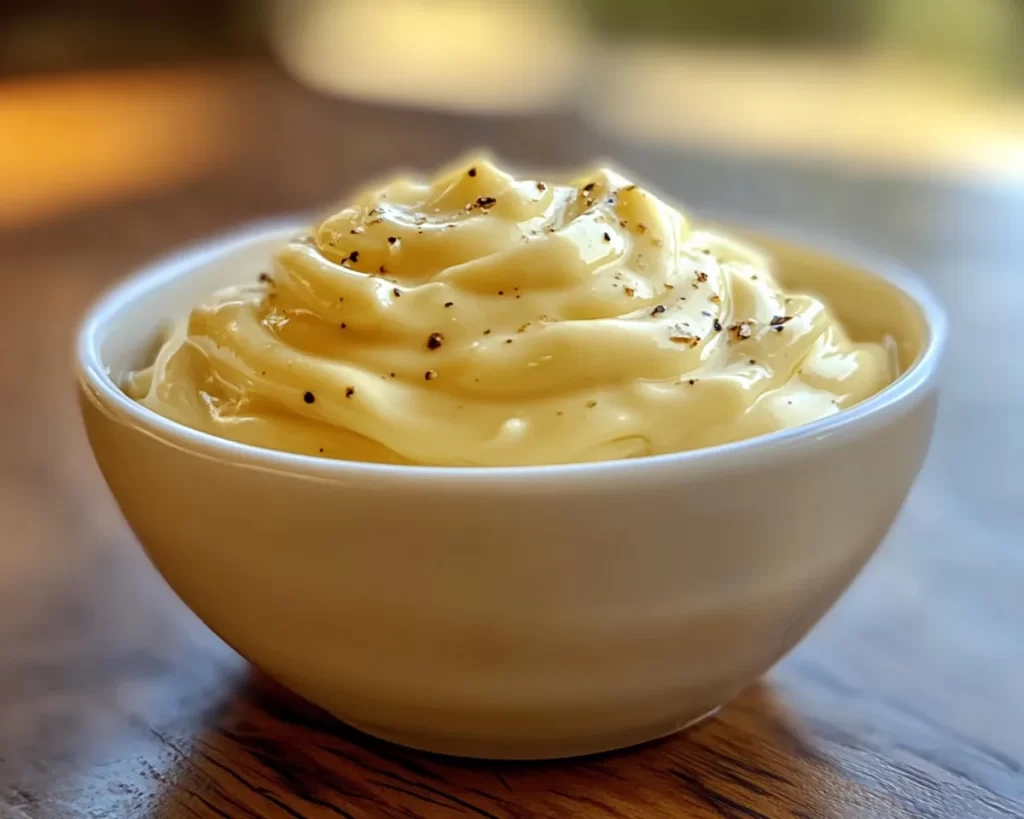
Homemade mayonnaise is a creamy condiment made primarily from **egg yolks**, **oil**, and **acid** (such as vinegar or lemon juice). Originating from French cuisine, this thick emulsion boasts a rich texture and a balanced tanginess that adds depth to a variety of dishes. Unlike store-bought mayonnaise, which can sometimes have an overly processed taste, homemade versions are fresh, allowing you to customize the flavor to your liking.
The process of making mayonnaise involves slowly incorporating oil into the egg yolks while whisking vigorously to create an emulsion. This technique yields a thick, creamy product that is perfect for spreading, dipping, or even drizzling over your favorite dishes. The flavor is rich, buttery, and pleasantly tangy, making it an ideal addition to **sandwiches**, **salads**, and **dips**.
As you embark on this journey to crafting homemade mayonnaise, you’ll not only enhance your cooking skills but also impress your family and friends with your dedication to quality ingredients. You might find that once you master this recipe, you’ll never return to commercial brands again!
Why You’ll Love This
There are countless reasons to fall in love with homemade mayonnaise. Not only is it significantly tastier than the store-bought versions, but it’s also straightforward to make. This recipe can be prepared in under five minutes, allowing you to whip it up whenever you need a quick condiment.
You’ll appreciate the **cost-effectiveness** of this recipe, as homemade mayonnaise requires just a few simple ingredients that you likely already have in your pantry. Compared to expensive store-bought varieties, making your own is a budget-friendly choice. Additionally, homemade mayonnaise is generally healthier, as you can choose high-quality oils and fresh ingredients that suit your dietary preferences.
It’s essential to address a common misconception that making mayonnaise is difficult or daunting. With a few basic tips and a little practice, anyone can achieve the perfect emulsion. Plus, the ability to customize flavors—whether you want a garlic-infused version or a spicy twist—opens up an entirely new world of possibilities!
Ingredients You’ll Need
To make homemade mayonnaise, you’ll need the following ingredients:
- 1 large egg yolk: The egg yolk acts as the base for the emulsion. It also adds a rich flavor and creamy texture to the mayonnaise.
- 1 tablespoon Dijon mustard: This adds a zesty flavor and helps stabilize the emulsion.
- 1 tablespoon white vinegar or lemon juice: This provides acidity, balancing the richness and enhancing the overall flavor.
- 1 cup oil (such as vegetable, canola, olive, or grapeseed): The choice of oil will affect the flavor; light oils create a milder taste, while extra virgin olive oil gives a more robust flavor.
- Salt: For seasoning, use about ½ teaspoon, adjusting to taste.
Each ingredient plays a crucial role in the final product. For instance, if you’re considering substitutes, you can use **mustard powder** instead of Dijon for a different flavor profile. If you prefer a vegan version, consider using aquafaba (the liquid from canned chickpeas) in place of egg yolk. This flexibility allows you to tailor the recipe to your personal preferences or dietary requirements.
How to Make
Making homemade mayonnaise is a straightforward process. Follow these step-by-step instructions to achieve a quick and creamy result:
- Prepare your workspace: Start by gathering all your ingredients and tools. You’ll need a mixing bowl, a whisk or an immersion blender, and measuring spoons. Ensure everything is clean, as this will enhance the shelf life of your mayonnaise.
- Combine the solids: In a bowl, combine the egg yolk, Dijon mustard, and vinegar or lemon juice. Whisk together until fully combined and slightly thickened. This initial blending helps create a cohesive base for your mayonnaise.
- Add the oil gradually: Start adding the oil very slowly, almost drop by drop, while whisking continuously. This gradual incorporation is key to forming a stable emulsion. As the mixture starts to thicken and emulsify, you can begin to add the oil in a thin stream instead.
- Whisk until thick: Continue to whisk until the mayonnaise reaches your desired thickness. It should have a creamy and thick consistency, which may take about 1-2 minutes. If it becomes too thick, you can whisk in a teaspoon of water to reach your preferred texture.
- Season to taste: Once your mayonnaise is thick and creamy, add salt to taste. You can also add additional vinegar or lemon juice if you want a tangier flavor. Remember to taste it and adjust the seasoning according to your preference.
Homemade mayonnaise is perfect for immediately slathering on a sandwich or using as a base for tartar sauce or salad dressings. The texture should be smooth, and the flavor should be fresh and bright, making it an instant hit!
Variations & Substitutions
Garlic Aioli: Adding minced garlic to your mayonnaise creates a delicious garlic aioli. The smooth texture pairs beautifully with roasted vegetables or as a dip for fries. Just add 1-2 cloves of finely minced garlic to the base mixture before incorporating the oil.
Spicy mayo: For those who enjoy a little kick, consider mixing in sriracha or your favorite hot sauce after you’ve achieved the desired mayo thickness. Just a tablespoon can bring a whole new flavor profile, making it an excellent addition to sandwiches, fish tacos, or burgers.
Herbed Mayonnaise: Fresh herbs can take your mayonnaise to another level. Thyme, basil, or tarragon can be finely chopped and whisked into the mayonnaise after it has come together. This can be an exquisite spread for sandwiches or a nice finishing touch for grilled meats.
Lemon and Dill Mayonnaise: Perfect for fish, this variation involves adding fresh dill and zesty lemon juice. It transforms your mayo into a flavorful condiment that’s light and refreshing. Use this version as a dip for seafood or as a base for tartar sauce.
Remember, the beauty of homemade mayonnaise lies in its **versatility**. Feel free to experiment and personalize it to suit your tastes and dietary needs!
Common Mistakes to Avoid
When making mayonnaise, there are a few common pitfalls to be aware of. One significant issue is adding the oil too quickly; this can result in a broken emulsion, leading to a thin mixture. It’s crucial to start slowly and ensure proper whisking. If you notice that the mixture isn’t thickening, try whisking in a little warm water to help stabilize it.
Another mistake is using eggs that are too cold; **room-temperature eggs** help the emulsion form more effectively. If your mayonnaise does break, don’t panic! You can salvage it by starting with a new egg yolk and slowly whisking in the broken mixture.
Lastly, ensure all your ingredients are fresh. Old oils or expired egg yolks can significantly affect the flavor and safety of your mayonnaise. Always taste your mayonnaise as you go; this way, you can catch any issues early on.
Storage, Freezing & Reheating Tips
Properly storing your homemade mayonnaise can extend its shelf life. It’s best kept in an airtight container in the refrigerator, where it should last for about one week. Always use clean utensils when scooping out your mayonnaise to avoid introducing bacteria, which can spoil it more quickly.
**Freezing** mayonnaise is generally not recommended, as the texture can change once thawed. The emulsion may separate, leading to a grainy consistency. However, if you have an excess, consider using it in cooked dishes since the cooking process will stabilize any texture changes.
When reheating dishes that contain mayonnaise, ensure you are mindful of the temperature. Reheating mayonnaise-based dishes should be done gently, as high heat can cause the mayonnaise to break. Opt for low and slow cooking methods instead for the best results.
Frequently Asked Questions
Can I make homemade mayonnaise without egg yolks?
Yes, you can! A popular alternative is aquafaba, the liquid from canned chickpeas. It mimics the properties of egg yolks and can be whisked with oil in the same manner to create a vegan mayonnaise. Just remember to adjust seasonings to taste.
Why did my mayonnaise separate?
If your mayonnaise has separated, it may be because the oil was added too quickly, or the egg was too cold. To fix it, start with a fresh egg yolk in a separate bowl and gradually whisk in the broken mayonnaise. This can help you achieve a creamy emulsion again.
What oils are best for making mayonnaise?
The choice of oil can significantly affect the flavor of your mayonnaise. Light oils like canola or grapeseed will provide a neutral taste, while extra virgin olive oil will impart a richer flavor. Avocado oil is another great option known for its health benefits.
Can I add flavors to my mayonnaise?
Absolutely! Once the basic mayonnaise is prepared, you can mix in various flavors such as garlic, herbs, or lemon zest to create customized versions. These add-ins can transform your mayo from a simple spread to a standout condiment.
How can I tell if my mayonnaise is bad?
If your mayonnaise develops an off smell, changes in color, or has noticeable separation despite storage, it’s best to discard it. Proper hygiene and attention when making and storing can help prevent spoilage.
Conclusion:
Homemade mayonnaise is a wonderful addition to any kitchen, offering fresh flavors, customization, and the satisfaction of creating something from scratch. As you dive into this recipe, remember to experiment and enjoy the versatility it brings to your meals. Once you taste the difference, you’ll likely feel inspired to create your own special variations. Don’t hesitate to share this recipe with friends or family; they will surely appreciate the effort you put into making such a classic condiment! So roll up your sleeves and give it a try—you’ll be amazed at how easy and delicious homemade mayonnaise can be!