Prep time: 10 minutes
Cook time: 0 minutes
Total time: 10 minutes
Servings: 1 cup
Homemade mayonnaise has a way of transforming ordinary dishes into gourmet experiences. Imagine biting into a rich, creamy sandwich or dipping crisp vegetables into a luscious sauce that you made from scratch! This easy recipe for Healthy Olive Oil Mayo is not just an alternative to store-bought options; it is a satisfying task that allows you to master a staple in your kitchen. With just a handful of simple ingredients, you can create a condiment that boasts robust flavor and customizable options, making it perfect for your unique palate.
What makes this recipe truly special is its health benefits. Unlike traditional mayonnaise, which often contains unhealthy oils and preservatives, this recipe uses high-quality olive oil. Olive oil is celebrated for its heart-healthy fats and antioxidants, so you’re not just indulging – you’re nourishing your body too. Plus, it’s quick and easy to whip up! In this post, you’ll learn not only how to make mayonnaise, but also ways to enhance its flavor and variations that cater to specific dietary needs.
What Is Homemade Mayonnaise (Healthy Olive Oil Mayo)?
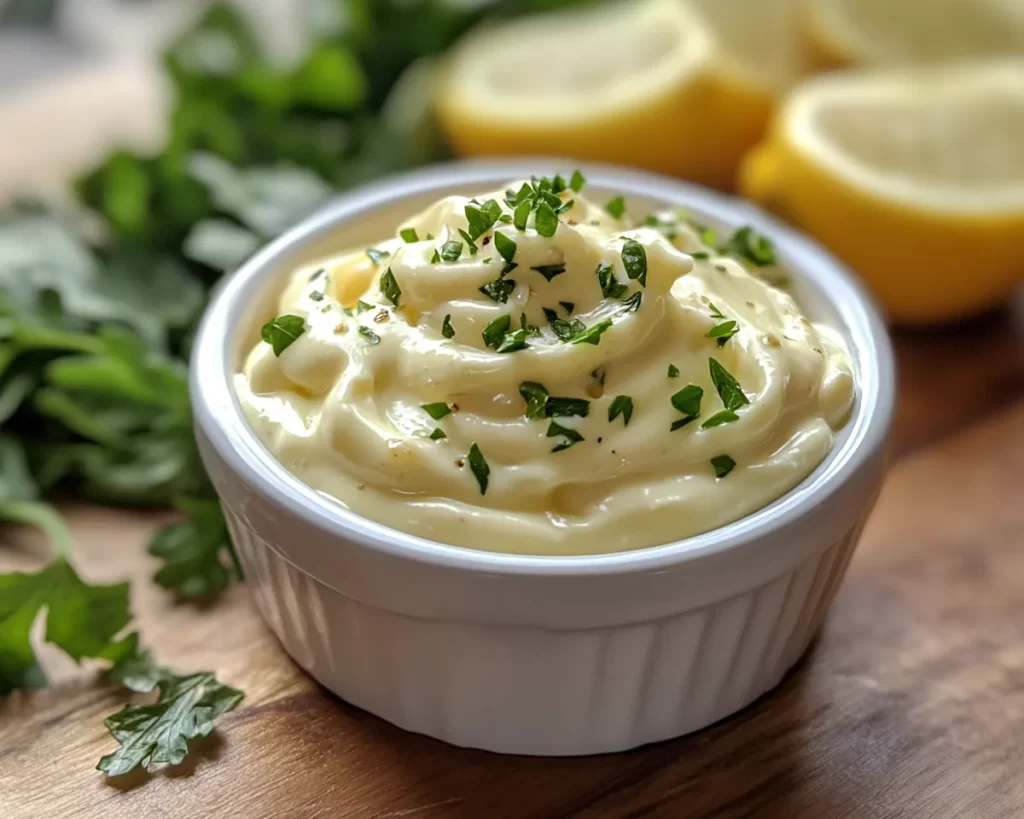
Homemade mayonnaise is a creamy emulsion made primarily from oil and egg yolk. It originates from a classic French sauce known as “aioli” and has made its way across the globe, becoming a beloved condiment in many different cuisines. The texture of homemade mayo is smooth and velvety, distinguished by its luxurious mouthfeel that you simply cannot achieve with mass-produced versions.
The flavor is rich and can be easily customized to your liking, achieving a perfect balance of tanginess and creaminess. This recipe specifically highlights the use of olive oil, which adds a peppery, fruity note that elevates the mayo to a whole new level. With homemade mayo, you have complete control over the ingredients, offering a fresher, more vibrant taste than anything you can find in a jar at the grocery store.
Why You’ll Love This
You’ll love this Healthy Olive Oil Mayo for several compelling reasons. Firstly, it tastes infinitely better than any store-bought version. The flavor is fresh and customizable; a few squirts of lemon juice or a sprinkle of garlic powder can add depth that grocery store mayo often lacks.
Secondly, it’s incredibly easy to make! With just a whisk or a blender, you can whip it up in about ten minutes, perfect for busy parents or anyone looking to simplify their meal prep. The cost savings also can’t be overlooked. Making your mayonnaise at home is far cheaper than purchasing high-quality brands.
While many people shy away from making mayonnaise due to fear of it breaking or curdling, with this method, you’ll find it’s almost foolproof. You avoid common misconceptions about homemade mayo being complicated or time-consuming. Give this simple, satisfying recipe a try—you’ll find it’s hard to go back to store-bought!
Ingredients You’ll Need
To make this Healthy Olive Oil Mayo, you’ll need a few simple but key ingredients:
- 1 large egg yolk: The base ingredient that provides structure. It contains emulsifiers that help bind the oil and vinegar together.
- 1 tablespoon Dijon mustard: This adds richness and a slight tang. You can use yellow mustard if that’s what you have on hand, but it will alter the flavor.
- 1 tablespoon white wine vinegar: This adds acidity and acts as a preservative. You can also substitute with lemon juice for a brighter flavor.
- 1 cup extra virgin olive oil: The star of the recipe! Olive oil contributes both flavor and healthy fats. For a milder taste, feel free to use a light olive oil.
- Salt to taste: Enhances flavors. I recommend starting with half a teaspoon and adjusting as needed.
Each of these ingredients plays a crucial role in creating that velvety texture and rich flavor you desire. By using fresh, high-quality ingredients, you ensure that your mayonnaise not only tastes good but is also healthy.
How to Make
Creating your own Mayonnaise at home is impressively simple. Follow these steps for the best results:
- Combine Ingredients: Start by placing the egg yolk, Dijon mustard, and white wine vinegar into a mixing bowl or a blender. The vinegar not only adds tang but also helps stabilize the mixture. Whisk or blend these ingredients together until smooth and combined, which should only take about 30 seconds.
- Add Oil Slowly: This step is critical. Begin to add the olive oil a few drops at a time while continuously whisking or blending. This slow addition allows the oil to emulsify properly with the egg mixture. If you pour in too quickly, your mayonnaise may break and become watery.
- Increase Oil Flow: Once you’ve added about a quarter cup of oil and start to see it thickening, you can gradually increase the oil flow to a thin stream. Continue whisking vigorously or blending on a medium speed, watching as the mixture transforms from a liquid to a thick, creamy consistency. This will take about 1-2 minutes.
- Season to Taste: When your mayonnaise reaches the desired thickness, taste it. Add salt gradually to find the perfect flavor. Adjust acidity by adding a bit more vinegar or lemon juice if you prefer it tangier.
- Store Properly: Once your mayo is ready, transfer it to a clean, airtight container. Homemade mayonnaise can be stored in the refrigerator for up to one week, but trust me, it will likely get devoured before that!
By following these steps, you’ll create homemade mayo that tastes fresh and delicious. The texture should be thick and creamy, ideal for slathering on sandwiches or using as a base for other sauces.
Variations & Substitutions
Garlic Aioli: If you love a bold flavor, this variation is for you. Simply add 2-3 cloves of minced garlic to the base recipe. Garlic aioli is a crowd-pleaser, perfect for dipping vegetables or as a spread on burgers. The addition of garlic not only enhances the flavor but also provides health benefits, thanks to its anti-inflammatory properties.
Herbed Mayonnaise: Want to bring some freshness to your mayo? Add chopped fresh herbs like dill, chives, or basil after the mayo has formed. This is a great way to elevate your dishes, especially for sandwiches, salads, or even grilled meats. Fresh herbs add vibrant color and flavor, showcasing seasonal produce.
Spicy Mayonnaise: If you’re someone who loves spice, try adding a tablespoon of Sriracha or your favorite hot sauce to the mayo mixture. This variation is excellent for those who enjoy a kick, especially in spicy tuna rolls or drizzling over fish tacos.
Avocado Mayonnaise: For a unique twist, combine ½ ripe avocado along with the egg yolk before blending. This gives the mayo a creamy texture and a unique flavor profile. It’s excellent for slathering on sandwiches or as a base in creamy dressings. Avocado also provides beneficial fats, making your mayonnaise even more nutritious.
Each of these variations not only contributes to exciting flavor profiles but also allows you to tailor your homemade mayo to fit different dishes and occasions.
Common Mistakes to Avoid
Even the best cooks make mistakes, but knowing what to look for can save you from kitchen disasters. One common error is not using room temperature ingredients. Using cold eggs can cause the emulsion to fail, leading to watery mayo. Always take a moment to let your egg yolk come to room temperature.
Another mistake is adding the oil too rapidly. This is where many people go wrong. Maintaining a steady, thin stream while whisking vigorously is crucial for proper emulsification. If your mayo breaks and becomes thin, you can rescue it by whisking a fresh egg yolk in a separate bowl and gradually adding the broken mayo to it.
Finally, don’t forget to taste and adjust flavors! Sometimes, a little extra salt or acid can elevate your mayonnaise to a whole new level. Being mindful of these pitfalls will ensure your mayonnaise turns out perfect every time.
Storage, Freezing & Reheating Tips
Storing homemade mayonnaise properly is essential to maintaining its freshness and texture. Always keep the mayo in a clean, airtight container to prevent any bacterial growth. It is best stored in the refrigerator, where it will stay fresh for up to one week. Be sure to label the container with the date you made it.
As for freezing, it is not advisable to freeze mayonnaise due to its emulsified nature. Freezing can cause separation, resulting in a watery texture when thawed. If you have made too much, consider using it in cooked dishes where the texture will be less critical, such as salad dressings or dips.
When reheating, it is best to stir gently; avoid heating directly as it can cause separation. Always check for any signs of spoilage before using it, especially if it has been stored for several days. If in doubt, it’s safer to discard it rather than risk foodborne illness.
Frequently Asked Questions
Can I use substitutes for the egg yolk? Yes! If you’re concerned about raw egg consumption, consider using pasteurized egg yolks or aquafaba, the liquid from canned chickpeas. Aquafaba can emulate egg whites fairly well and is a great alternative for vegan mayo.
Why is my mayonnaise too thick? If you find your mayo has become too thick, simply add a teaspoon or two of warm water and whisk until it reaches your desired consistency. This lightens the mayo and brings it back to a smoother texture.
What can I do if my mayonnaise breaks? A “broken” mayonnaise occurs when the oil separates from the other ingredients. Don’t worry! You can salvage it by whisking a fresh egg yolk in a new bowl. Then, slowly whisk in the broken mayo—it should come back together perfectly.
How can I flavor my mayonnaise further? In addition to the variations provided, think about adding spices like smoked paprika, cayenne pepper, or even curry powder. This can give your mayo a unique twist.
How does homemade mayo compare nutritionally to store-bought versions? Homemade mayonnaise often contains fewer preservatives and unhealthy oils. By using high-quality ingredients, like olive oil, you’re not just avoiding artificial additives, you’re also opting for a healthier fat source, making homemade mayo a smarter option for your meals.
Conclusion:
This Homemade Mayonnaise recipe is more than just a condiment; it’s an opportunity for culinary exploration and health-conscious cooking. From the fresh ingredients to the robust flavors, you’ll not only be impressed by the taste but by the ease of preparation as well. Whether you choose to stick with the simple version or jazz it up with diverse flavors, this mayo can easily become a staple in your kitchen. Empower yourself to try making it at home today, and discover just how rewarding it is. Don’t forget to customize it to match your culinary adventures, and share your creations with friends. Happy cooking!