Prep time: 30 minutes
Cook time: 1 hour
Total time: 1 hour 30 minutes
Servings: 12 slices
Creating a cake that not only tastes amazing but also serves as a stunning centerpiece can seem overwhelming. However, the **Floral Buttercream Cake Aesthetic** will transform your cake-baking experience. Imagine a soft, fluffy cake adorned with vibrant flowers made from smooth, creamy buttercream. Whether it’s a spring celebration or just a special family gathering, this cake will not only impress your guests but also delight their taste buds.
This recipe will guide you through selecting the right ingredients, crafting beautiful decorations, and mastering the techniques involved in creating a visually appealing and delicious cake. You will learn various tips that will help you along the way, making the whole baking process not just enjoyable, but also rewarding. Let’s dive into this delightful baking adventure.
What Is Spring Cake Designs: Floral Buttercream Cake Aesthetic?
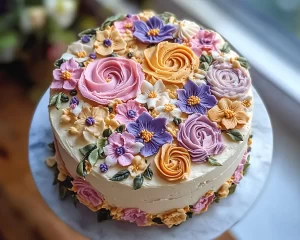
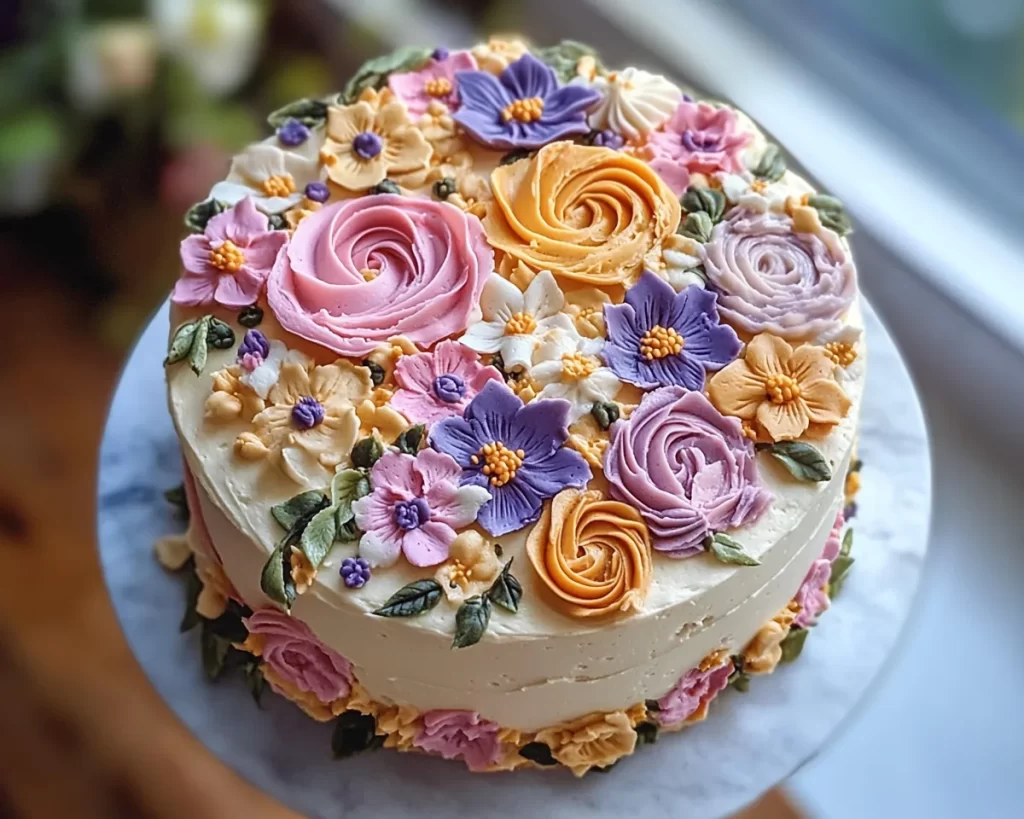
The **Floral Buttercream Cake Aesthetic** is a celebration of spring, represented through charming buttercream florals and light, airy cake layers. Originating from various pastry traditions that celebrate seasonal blooms, this cake has gained a huge following among cake decorators and home bakers alike. The foundation of the cake is traditionally a delicate sponge or vanilla layer cake, which is known for its tender crumb and moist texture.
When baked to perfection, the cake layers should have a light golden hue and a gentle bounce when pressed. It’s often filled with flavorful fillings such as raspberry jam or vanilla pastry cream, enhancing the taste profile beautifully. The real star, however, is the buttercream frosting. With its rich flavor and smooth texture, the frosting can be transformed into various floral designs—think blooming roses, delicate daisies, and vibrant peonies—that make the cake a feast for the eyes as well as the stomach.
The combination of flavors and the artistic presentation make this cake a favorite for various occasions. Whether for birthdays, weddings, or just a sunny afternoon tea, the **Floral Buttercream Cake Aesthetic** elevates any gathering into a joyous celebration.
Why You’ll Love This
There are numerous reasons you will fall in love with this cake. The flavor is rich yet delicate, and the texture is fluffy and inviting. The use of fresh, seasonal ingredients allows for variations that offer a refreshing taste each time you bake it. Moreover, the simple cake base requires basic baking skills, making it accessible for beginners and busy parents looking for a special treat. You don’t have to be a professional baker to achieve this stunning aesthetic.
One common misconception is that cake decorating takes an advanced skill level. In reality, with the right guidance and a little practice, anyone can create beautiful floral designs using buttercream. By learning a few basic piping techniques and being patient, your cake can emerge looking like a piece of art. Additionally, the **Floral Buttercream Cake Aesthetic** is budget-friendly since many of the ingredients, like flour, sugar, and butter, are staples in most kitchens.
Ingredients You’ll Need
To craft the **Floral Buttercream Cake Aesthetic**, you will need the following ingredients:
- 2 cups all-purpose flour: This is the base of your cake; a good all-purpose flour will provide structure. Consider using a cake flour for a more tender crumb.
- 1 ½ cups granulated sugar: This sweetens the cake and helps in achieving the desired moisture levels.
- ½ cup unsalted butter, softened: Butter provides richness and flavor. Always use unsalted for better control over your salt levels in the cake.
- 1 cup milk: Gives the cake moisture; whole milk is recommended for richness.
- 3 large eggs: These act as the binding agents that help the cake hold together.
- 2 teaspoons baking powder: This is the leavening agent that makes the cake rise.
- ½ teaspoon salt: Enhances flavor and balances the sweetness.
- 2 cups butter for frosting: The heart of your floral decorations, use high-quality unsalted butter, softened.
- 4 cups powdered sugar: The main ingredient for your buttercream; it sweetens and thickens the frosting.
- 1 teaspoon vanilla extract: Adds a delicious flavor to both the cake and frosting.
- Food coloring (optional): For making vibrant colored flowers. Gel food coloring works best for intense colors without changing the consistency.
- Fresh or edible flowers for decoration: Enhance the beauty of your cake with gorgeous blooms.
Each of these ingredients plays a crucial role in the overall success of the cake. The **buttercream** is particularly versatile, allowing you to create a variety of floral styles, whether you opt for roses, tulips, or even daisies. Keep in mind that using room temperature ingredients helps in creating a smoother batter and frosting, leading to a superior texture.
How to Make
Let’s walk through the step-by-step process to create your **Floral Buttercream Cake Aesthetic**.
- Preheat the oven: Begin by preheating your oven to 350°F (175°C). This step is crucial, as it allows the batter to rise evenly. While the oven is warming, prepare your baking pans by generously greasing them and lining the bottoms with parchment paper to ensure easy removal after baking.
- Mix dry ingredients: In a large bowl, whisk together flour, baking powder, and salt. This ensures that your leavening agent is evenly distributed throughout the flour, which is key to a uniform rise in your cake.
- Cream the butter and sugar: In a separate bowl, beat the softened butter and granulated sugar together until light and fluffy, about 4-5 minutes. This step is vital, as it incorporates air into the mixture, leading to a lighter cake. Take a moment to scrape down the sides of the bowl to ensure all ingredients are well combined.
- Add eggs one by one: Incorporate the eggs, one at a time, mixing well after each addition. This method allows the batter to emulsify properly, creating a smooth, cohesive mixture that results in a tender cake.
- Combine wet and dry ingredients: Gradually add the dry ingredient mixture to the butter mixture, alternating with milk. Start and end with the dry ingredients, mixing until just combined. Overmixing can lead to a dense cake, so be gentle during this phase.
- Pour and level: Divide the batter evenly between the prepared pans and smooth the tops with a spatula. Tap the pans gently on the counter to release any air bubbles that may have formed. This will ensure an even bake.
- Bake: Place the pans in the preheated oven for about 25-30 minutes, or until a toothpick inserted in the center comes out clean. The cakes should be lightly golden and spring back when touched.
- Cool: Once baked, remove the cakes from the oven, and allow them to cool in the pans for 10 minutes before transferring them to a wire rack to cool completely. This cooling step prevents the cakes from becoming soggy.
- Make the buttercream: In a clean bowl, beat the softened butter until creamy. Gradually add the powdered sugar and mix until fluffy. Then add vanilla extract and continue to beat until you reach a smooth consistency. If the buttercream is too thick, add a splash of milk to reach the desired consistency.
- Color your frosting: If you’re planning to color your buttercream, now is the time. Divide it into bowls and add your chosen food coloring until you achieve the desired shades. Use a toothpick to start, as it allows for more precise color adjustments.
- Assemble your cake: Once fully cooled, place one layer of cake on a serving plate. Spread a layer of buttercream on top, and if desired, include a layer of filling such as fruit preserves or pastry cream. Repeat with the second layer and finish with a crumb coat, which is a thin layer of frosting to seal the crumbs.
- Decorate: Finally, use a piping bag fitted with your favorite tips to create floral patterns all around your cake. Additionally, you can arrange fresh or edible flowers on the top for an extra touch of elegance.
Be creative with your decoration, as the beauty of this cake lies in the floral buttercream. Experiment with colors and floral designs until you’re satisfied with the appearance. As you work, allow your sense of creativity to flow, turning each cake into a unique masterpiece.
Variations & Substitutions
Chocolate Floral Cake: If you’re a chocolate lover, consider using cocoa powder or melted chocolate in the batter to create a chocolate-flavored cake. Instead of vanilla buttercream, opt for a chocolate buttercream made by incorporating cocoa powder. The combination of rich chocolate with floral decorations creates an alluring dessert that feels indulgent yet maintains the integrity of the original design.
Gluten-Free Floral Cake: To accommodate gluten sensitivities, replace the all-purpose flour with a high-quality gluten-free flour blend. Make sure the blend includes xanthan gum to mimic the texture of traditional flour. This variation allows those with dietary restrictions to still enjoy a beautiful cake. Be mindful that gluten-free batters can behave differently, so ensure you follow the instructions on the packaging.
Vegan Floral Cake: For a plant-based option, substitute the eggs with ground flaxseeds or applesauce, and use almond or soy milk in place of regular milk. Choose vegan butter for the frosting to keep it dairy-free. Using maple syrup or agave nectar instead of granulated sugar can also enhance the flavor profile while ensuring the cake remains cruelty-free.
Citrus Floral Cake: Adding a lemon or orange twist can elevate the flavor of your cake tremendously. Substitute some of the milk with fresh citrus juice and add zest to both the cake and buttercream for an aromatic touch. This variation is refreshing, making it perfect for warmer months.
Each of these variations allows the cake to cater to different dietary needs and flavor preferences while maintaining the beautiful aesthetics that make the **Floral Buttercream Cake Aesthetic** so beloved.
Common Mistakes to Avoid
One of the most common mistakes when baking a cake is not accurately measuring your ingredients. Too much flour can lead to a dry cake while too little can cause it to collapse. Always use the **spoon and level** method for flour to ensure you’re using the right amount.
Another error often made is not allowing the cake layers to cool completely before frosting. If the cake is warm, the buttercream can melt and slide, leaving you with a messy decoration. Patience is key; allow those layers to cool on a wire rack.
Be cautious of **overmixing** the batter. While mixing is essential to combine ingredients, overmixing can develop gluten, leading to a dense or tough cake. Stir until just combined, and avoid using a high speed on your mixer.
Lastly, when decorating your cake with fresh flowers, ensure that they are free from pesticides and safe for consumption. Some flowers can be toxic, so always double-check the specifics before placing them onto your delicious creation.
Storage, Freezing & Reheating Tips
When it comes to storing your **Floral Buttercream Cake**, the best method is to keep it covered at room temperature. A cake dome or an airtight cake box works great to prevent it from drying out. This cake is best enjoyed fresh but can be stored for up to 3 days at room temperature or up to a week in the refrigerator.
If you want to freeze the cake, wrap it tightly in plastic wrap before placing it in an airtight container or freezer bag. This method preserves the moisture and flavor. The cake can be frozen for up to 3 months. Thaw the cake in the refrigerator overnight before serving, and if necessary, refresh the buttercream by beating it for a few minutes to restore its creamy texture.
When reheating the cake, avoid doing so in the microwave as it can make the texture rubbery. Instead, allow it to come to room temperature naturally.
Frequently Asked Questions
Can I use a different frosting instead of buttercream? Yes, you can use cream cheese frosting or whipped cream for a lighter option. While buttercream holds its shape beautifully for intricate designs, cream cheese frosting provides a tangy flavor that can complement the cake wonderfully, especially for spring and summer occasions.
How can I achieve different floral designs? To create various floral designs, practice with different piping tips like the rose tip, leaf tip, or petal tip. YouTube has numerous tutorials that visually guide you through the process, helping to build your confidence in buttercream piping.
Is it possible to make this cake ahead of time? Absolutely! You can bake the cake layers ahead of time and freeze them. Just be sure to wrap each layer tightly in plastic wrap. You can also make the buttercream in advance and store it in the refrigerator. Simply allow it to come back to room temperature and beat it before frosting the cake.
What flavors can I incorporate into the cake? The basic recipe is versatile, allowing you to infuse flavors such as lemon, vanilla, or almond extract. You can also fold in chocolate chips, nuts, or dried fruit into the batter for an added dimension of flavor, making each slice delightful and unique.
Can I make mini versions of this cake? Yes! You can bake the batter in smaller cake pans or even cupcake tins. Mini versions are perfect for parties or gifting. Just keep in mind that the baking time will be shorter, so monitor them closely while they bake.
Conclusion:
The **Floral Buttercream Cake Aesthetic** stands out not just for its beauty, but for its delicious taste and versatility. Whether you’re a novice or a seasoned baker, this recipe allows you to express your creativity and make something truly special. Don’t hesitate to try this cake at your next gathering—the joy of seeing it come together will inspire you to create even more stunning desserts in the future. Share your creations, experiment with flavors, and watch as your skills blossom—just like the flowers on your cake!