Prep time: 20 minutes
Cook time: 30 minutes
Total time: 50 minutes
Servings: 12
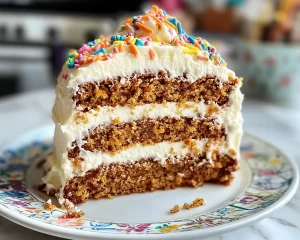
There’s something magical about a beautifully baked cake, especially during springtime. The warmth of the sun, the blooming flowers, and the cheerful celebrations often prompt a craving for something sweet and vibrant. Perhaps it reminds you of childhood birthday parties, where the cake was the star of the show, bringing joy to everyone in attendance. Today, I’m excited to share my cherished recipe for Spring Birthday Cake: Carrot Cake with Cream Cheese Frosting. This delightful cake combines the warm, earthy flavors of carrots and spices with the creamy, tangy goodness of cream cheese frosting, making it perfect for any celebration or just a cozy afternoon treat.
What makes this carrot cake so special? It’s incredibly soft and moist, thanks to the grated carrots, and the spices add a fragrant aroma that fills your kitchen, inviting everyone to gather around the table. In this recipe, I’ll guide you step-by-step on how to create a jaw-droppingly delicious carrot cake that’s not only a breeze to bake but also offers numerous opportunities for variations. Whether you’re looking for ways to make it healthier, delightful additions you can include, or tips to prevent common baking blunders, you’ll find it all right here. So, let’s dive in!
What Is Spring Birthday Cake: Carrot Cake with Cream Cheese Frosting?
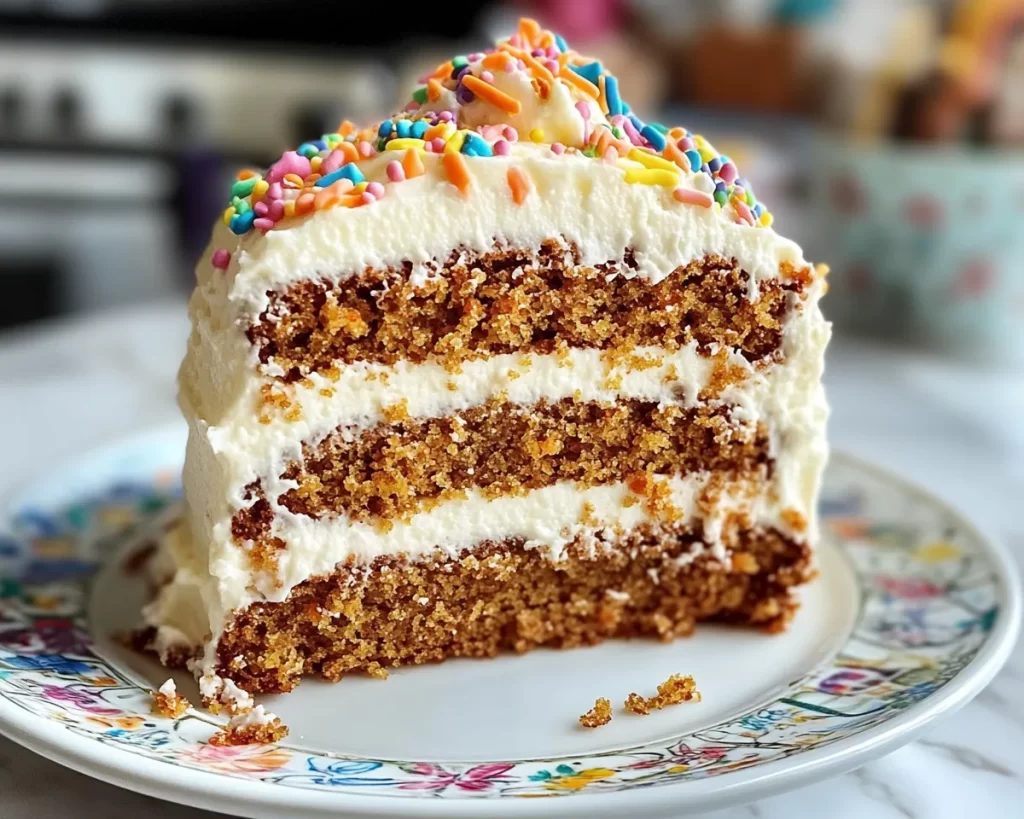
Spring Birthday Cake is a delightful take on the classic carrot cake, which is thought to have originated in Europe during the Middle Ages. The flavors are from the earthy, sweet carrots complemented by spices like cinnamon and nutmeg, giving it a warm and comforting taste. The texture is light and airy due to the incorporation of eggs and the moistness derived from the grated carrots. With every slice, you experience a harmonious blend of sweetness and spice, topped off by the luscious cream cheese frosting that turns each bite into a decadent treat.
The addition of cream cheese frosting elevates this dish, creating a creamy, tangy contrast that enhances the cake’s flavors while also providing a luxurious texture. You’ll find that the balance of flavors makes it a delightful option for various occasions, especially spring birthdays when you might wish to harness the season’s cheerfulness in a cake. Carrot cake isn’t just a dessert; it’s an integral part of celebrations and gatherings, bringing people together around the sweetness of shared moments.
Why You’ll Love This
This recipe is a treasure trove of flavors, textures, and benefits that you’ll absolutely adore. One of the most significant perks is how simple it is to whip up a homemade carrot cake. Many believe that baking from scratch is daunting, but this recipe proves to be user-friendly and forgiving, making it an ideal choice for beginners in the kitchen. Furthermore, the ingredients are typically budget-friendly, meaning you won’t have to break the bank to bring this crowd-pleaser to your next gathering.
Texture is crucial in a good cake, and this one hits the mark perfectly. The grated carrots create a moist crumb, working together with the spices to dazzle your taste buds with both warmth and sweetness. Plus, it’s a versatile recipe; whether you want to substitute healthier ingredients or add unique twists, this cake can adapt to different preferences and dietary needs. Perhaps you’re unsure about using carrots, concerned about their flavor? Fear not! Carrots ground seamlessly blend into the cake, and their natural sweetness shines through, making them a glorious addition.
Ingredients You’ll Need
To create your Spring Birthday Cake, here’s a detailed list of the ingredients you’ll need:
- 2 cups all-purpose flour: This forms the base of your cake, contributing to its structure. You could substitute with whole wheat flour for a healthier option.
- 2 cups granulated sugar: Sugar brings sweetness and helps achieve a fine crumb. Consider using coconut sugar for a less refined alternative.
- 1 cup vegetable oil: This keeps the cake moist and tender. You can use melted coconut oil for added flavor.
- 4 large eggs: Eggs provide structure and stability. For a vegan version, applesauce or flaxseeds can be used as substitutes.
- 2 cups grated carrots: The star ingredient gives the cake its moistness and flavor. You can also mix in shredded zucchini for a twist.
- 1 teaspoon baking powder: This helps the cake rise. Ensure it’s fresh for maximum effectiveness.
- 1 teaspoon baking soda: Another leavening agent that assists with the rise. Similar to baking powder, check for freshness.
- 2 teaspoons ground cinnamon: Adds a warm spice note. You might experiment with nutmeg or cardamom for a unique flavor.
- 1/2 teaspoon salt: Balances the sweetness and enhances flavors.
- 1 teaspoon vanilla extract: Infuses a subtle sweetness and aroma. Always opt for pure vanilla extract over imitation for the best flavor.
For the cream cheese frosting:
- 8 oz cream cheese: The base of the frosting, providing creaminess and flavor. Use full-fat for a richer texture.
- 1/2 cup unsalted butter: Adds richness and helps to achieve a smooth consistency. Ensure it’s softened for ease of blending.
- 4 cups powdered sugar: Creates the sweet, fluffy texture of the frosting. Sift before using to avoid lumps.
- 1 teaspoon vanilla extract: Continues the flavor note found in the cake. Again, pure is preferred over imitation.
Each ingredient plays a crucial role in developing the flavors and textures of your Spring Birthday Cake. Understanding what each one does can enhance your experience as a cook and also offer tempting variations for those who may want to swap ingredients.
How to Make
Follow these steps to create your Spring Birthday Cake:
- Preheat your oven: Start by preheating your oven to 350°F (175°C). This step is essential as it ensures that the cake bakes evenly and rises appropriately.
- Prepare your baking pans: Grease and flour two 9-inch round cake pans. This prevents sticking and helps maintain the cake’s beautiful shape when you remove it from the pans. If you prefer, you could use parchment paper for added security against sticking.
- Mix the dry ingredients: In a medium bowl, combine the flour, baking powder, baking soda, cinnamon, and salt. Whisk together until well incorporated. Doing this helps evenly distribute the leavening agents and spices, making your cake rise uniformly.
- Mix the wet ingredients: In a large bowl, beat the vegetable oil, sugar, and eggs using a whisk or an electric mixer on medium speed. Continue beating until the mixture is smooth and creamy, taking about 3-5 minutes. The oil helps keep the cake moist, while the sugar creates a lovely texture.
- Combine wet and dry ingredients: Gradually add the flour mixture to the wet ingredients, beating until just combined. Overmixing can lead to a dense cake, so be gentle here; it’s okay if a few small flour pockets remain.
- Fold in the carrots and vanilla: Using a spatula, gently fold in the grated carrots and vanilla extract. The carrots add moisture and sweetness while also providing a lovely texture. You should see vibrant orange flecks throughout the batter.
- Pour and bake: Evenly distribute the batter between the prepared pans. Bake in the preheated oven for 25 to 30 minutes. To check for doneness, insert a toothpick in the center; it should come out clean or with a few moist crumbs attached.
- Cool the cakes: Once baked, allow the cakes to cool in the pans for about 10 minutes. Then carefully remove them from the pans and let them cool completely on wire racks. Don’t rush this step; cooling ensures your frosting doesn’t melt.
- Prepare the cream cheese frosting: In a medium bowl, beat together the softened cream cheese and unsalted butter until creamy. Gradually add in the powdered sugar, mixing until well combined and fluffy. Finally, stir in the vanilla extract until fully incorporated.
- Frost the cake: Once the cakes are completely cool, place one layer on a serving platter. Spread a generous amount of frosting on top, then carefully place the second layer on top. Frost the top and sides of the cake with the remaining cream cheese frosting. Feel free to be generous here; a beautiful and thick layer of frosting is always welcome!
The steps take you from the preheating of your oven through to the decadent final touches of frosting. It’s essential to allow all ingredients to integrate well, creating a beautifully textured cake that’s moist and flavorful.
Variations & Substitutions
Healthier Carrot Cake: If you seek a healthier take on this classic, consider substituting half of the all-purpose flour with whole wheat flour. You can reduce the sugar by using honey or maple syrup, and opting for Greek yogurt in place of some of the oil can create a lighter cake while still retaining moisture. This variation brings added nutrients to the dish, making it a great option for health-conscious individuals without sacrificing taste.
Nutty Additions: For those who love added crunch, consider folding in 1 cup of finely chopped walnuts or pecans into the batter. Nuts provide not only texture but also a delightful flavor contrast. If allergies are a concern or if you prefer a different flavor profile, consider substituting sunflower seeds for a similar crunch. This variant is perfect for people seeking to enhance their carrot cake while adding a nutritious twist.
Vegan Carrot Cake: Creating a vegan version is relatively easy with a few swaps. Substitute the eggs with 1/4 cup of unsweetened applesauce or 1 tablespoon of flaxseed meal mixed with 2.5 tablespoons of water to replicate the binding properties of eggs. You can also use almond, soy, or oat milk in place of the buttermilk. This ensures that even those following a plant-based diet can enjoy this beautiful cake.
Pineapple Carrot Cake: For an exotic twist, consider adding crushed pineapple to your carrot cake batter. Use about 1 cup of well-drained crushed pineapple to enhance sweetness and add moisture. This variation infuses your cake with a tropical flavor, providing a delightful surprise for your taste buds. The additional moisture means you may want to reduce the amount of oil slightly to maintain the right texture.
Spiced Carrot Cake: By adding ground ginger or even a pinch of cardamom, you can take the traditional model of carrot cake up a notch. These spices complement the usual cinnamon flavor while giving your cake a distinctive twist. Especially during the fall or for holiday gatherings, this variation can add an exciting flair to the classic springtime recipe.
Common Mistakes to Avoid
When you embark on baking your Spring Birthday Cake, avoid these common pitfalls to ensure a successful result.
Overmixing the batter: One of the most common mistakes in cake baking is overmixing. It can lead to a dense and tough cake, rather than the light and fluffy texture you’re aiming for. Mix the wet and dry ingredients until just combined, allowing for a few visible flour pockets—your cake will be much better for it!
Baking with cold ingredients: Cold eggs and milk can lead to inconsistencies in the batter. Always let your ingredients, particularly eggs and butter, come to room temperature before mixing. This promotes even mixing and ensures a better texture in the finished cake.
Using expired leavening agents: Freshness is key with baking powder and baking soda; expired agents won’t help your cake rise properly. Always check the expiration date and store these items in a cool, dry place to maintain their potency.
Skipping the cooling phase: Patience is essential! Cutting into a freshly baked cake before it’s cooled can result in a crumble. This can lead to a messy presentation and a disappointing texture. Wait for it to cool completely before frosting or slicing; your cake will thank you.
Storage, Freezing & Reheating Tips
If you find yourself with leftovers or want to prepare in advance, understanding how to properly store your Spring Birthday Cake is vital. Once fully cooled, slice the cake and wrap it tightly in plastic wrap. Alternatively, store the cake in an airtight container to keep it fresh for up to five days at room temperature or up to a week in the refrigerator.
For longer-term storage, consider freezing the cake. It can be frozen both frosted and unfrosted. For best results, flash freeze the cake by placing it uncovered in the freezer for about one hour, then wrap it tightly in plastic wrap and foil. When ready to enjoy, thaw the cake in your refrigerator overnight, and allow it to come to room temperature before serving.
When it comes to reheating, a slice of carrot cake can be gently warmed in a microwave for about 10-15 seconds to bring back that fresh-out-of-the-oven experience. Be cautious not to overheat it, as that can lead to dry cake—a situation you definitely want to avoid.
Frequently Asked Questions
Can I make this cake gluten-free?
Yes, you can easily make this carrot cake gluten-free by substituting the all-purpose flour with a good quality gluten-free flour blend. Ensure that the blend you choose contains xanthan gum or add it separately to help with the cake’s structure.
What should I do if my cake doesn’t rise?
If your cake doesn’t rise, it may be due to expired baking powder or baking soda. Always check the freshness of your leavening agents before mixing them into your batter. Another reason could be overmixing; keeping mixing to a minimum ensures the cake retains air.
Can I make the cream cheese frosting ahead of time?
Absolutely! The cream cheese frosting can be made ahead of time and stored in the refrigerator for up to a week. Ensure it’s in an airtight container. Before using, let it sit at room temperature for about 30 minutes and give it a good stir to soften it back up.
Can I add nuts to the batter?
Yes, walnuts or pecans are excellent additions to carrot cake batter! Simply fold in about a cup of chopped nuts after your wet and dry ingredients are combined. This adds a great crunch and flavor to the cake.
How can I make this cake dairy-free?
You can easily make this cake dairy-free by substituting the butter in the frosting with a dairy-free alternative like vegan butter or coconut cream. Also, ensure the cream cheese is dairy-free, available at many grocery stores.
Conclusion:
This Spring Birthday Cake: Carrot Cake with Cream Cheese Frosting is not just a recipe; it’s an embodiment of joy, warmth, and celebration. With its delightful flavors and versatile nature, you can adjust and personalize it to your heart’s content. Whether you’re enjoying it on a sunny spring afternoon or serving it up at a festive gathering, you’ll find that it brings people together in the sweetest way. I encourage you to give this recipe a try, share it with those you love, and perhaps even customize it to make it your own. Happy baking!