Prep time: 20 minutes
Cook time: 10 minutes
Total time: 30 minutes
Servings: 4
Thai Shrimp Spring Rolls are not just a delicious appetizer but also a delightful meal option that can cater to various occasions. With their fresh, vibrant ingredients and the balance of flavors, these rolls can be an irresistible addition to any dinner table or casual gathering. Whether you’re cooking for yourself, your family, or hosting friends, they always impress. Their crisp rice paper, succulent shrimp, and an array of fresh vegetables create a beautiful and engaging dish that’s fun for everyone to enjoy.
What Is 5 Irresistible Ways to Enjoy Thai Shrimp Spring Rolls?
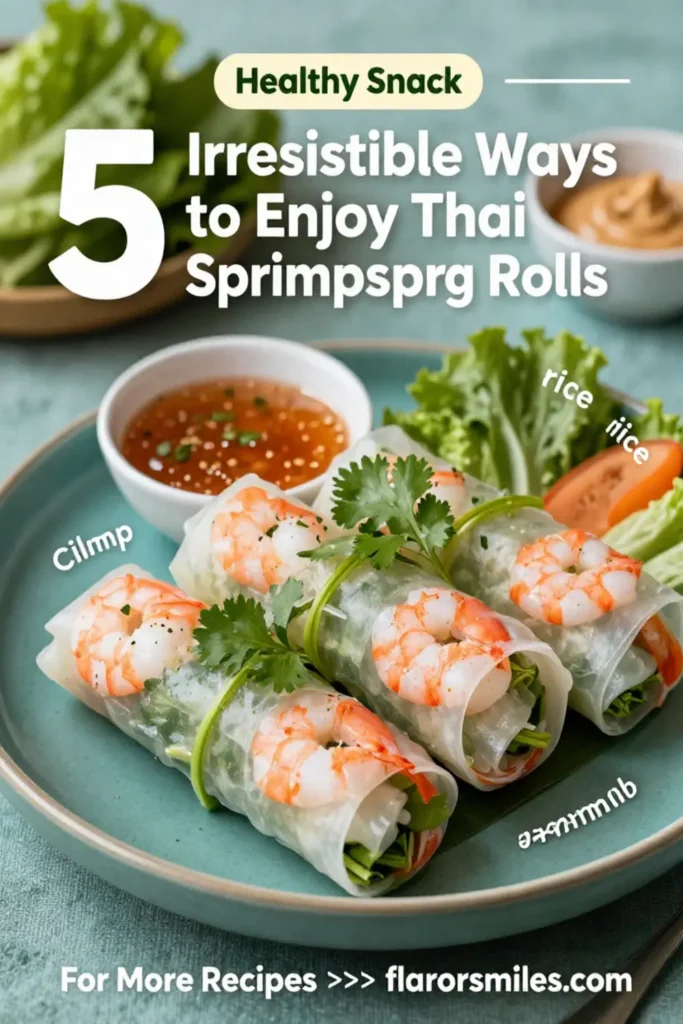
Thai Shrimp Spring Rolls are a traditional Southeast Asian delicacy known for their light, fresh, and satisfying taste. These rolls feature a filling of shrimp, crisp vegetables, and fragrant herbs, wrapped in delicate rice paper, making them a popular choice both in restaurants and home kitchens. The rice paper wrap adds a unique texture that enhances each bite, while the savory shrimp and crunchy veggies provide a delightful contrast.
Not only do these spring rolls taste great, but they are also versatile. You can make them ahead of time, customize the filling based on dietary preferences, and even serve them with various dipping sauces. They are perfect for light lunches, appetizers at parties, or even a nutritious snack.
This recipe will provide you with five creative variations to enjoy Thai Shrimp Spring Rolls, ensuring you never get bored with this classic dish.
Why You’ll Love This
There are countless reasons to love Thai Shrimp Spring Rolls. Their versatility allows you to modify the ingredients based on your preferences, whether you’re a fan of spicy flavors, love the crunch of vegetables, or enjoy the richness of sauces. Additionally, the bright colors of the ingredients make these rolls visually appealing, which is always a plus, especially when serving guests.
These spring rolls also cater to various dietary requirements. You can easily adjust the ingredients to make them gluten-free, vegetarian, or low-carb. Plus, they are nutritious, packed with vegetables and protein from shrimp, making them a healthy option for those mindful of their diet. Most importantly, they offer a refreshing way to enjoy seafood without the heaviness often associated with fried dishes.
Ingredients You’ll Need
- Rice paper wraps: Essential for wrapping the ingredients, they provide a light and chewy texture.
- Shrimp: Fresh or cooked, shrimp adds a juicy and tender element to the rolls, enhancing their flavor.
- Rice noodles: These provide substance and help fill the rolls, absorbing the flavors of the sauce.
- Vegetables: Carrots, cucumbers, and bell peppers add crunch and freshness, making the rolls vibrant.
- Fresh herbs: Cilantro and mint bring aromatic flavors, elevating the overall taste of the rolls.
- Dipping sauce: A combination of peanut sauce or hoisin sauce for that delicious finish.
How to Make
- Begin by preparing the rice noodles as per the package instructions. Typically, this involves soaking them in warm water until they’re soft yet still springy. This should take about 3 to 5 minutes.
- While the noodles are soaking, prepare your shrimp. If using raw shrimp, peel and devein them, then sauté them in a pan with a splash of oil for about 2-3 minutes on each side, until they turn pink and opaque. Ensure they’re well-cooked but remain tender.
- Next, prepare your vegetables by julienning the carrots, slicing the cucumbers thinly, and cutting the bell peppers into thin strips. The presentation of these could be vital, so aim for uniformity in size.
- Once your rice noodles are ready, drain and separate them gently. Now, it’s time to assemble your spring rolls. Fill a large bowl with warm water and dip one rice paper wrap until soft, about 15-20 seconds. Lay it on a cutting board.
- On the lower half of the wrap, add a small amount of rice noodles, a few pieces of shrimp, and a colorful array of vegetables. Add a sprinkle of fresh herbs for an aromatic touch. Be careful not to overfill.
- To roll, start from the bottom, folding it over the filling. Then, fold in the sides and continue rolling tightly until seam-side down. Repeat this process until you’ve rolled the desired number of spring rolls.
Variations & Substitutions
Vegetarian Option: For a vegetarian twist, substitute shrimp with marinated tofu. The tofu can add a delightful texture and absorbs flavors similar to shrimp. Include additional veggies such as avocado or bean sprouts for an exciting taste and nutrition boost.
Spicy Shrimp Rolls: If you’re a fan of heat, consider marinating your shrimp in a mixture of lime juice, chili paste, and garlic before cooking. This way, every bite will pack a spicy punch, adding excitement to your meal.
Thai Peanut Sauce: For a rich and creamy dip, create a homemade peanut sauce to accompany your spring rolls. Blend peanut butter, soy sauce, lime juice, honey, and a touch of chili oil until smooth for a delightful contrast to the fresh flavors.
Fruit-Filled Rolls: For a refreshing dessert, consider filling your rolls with tropical fruits like mango, kiwi, or strawberries. Pair them with a sweet coconut dipping sauce for an irresistible treat.
Shrimp and Avocado Fusion: Enhance your spring rolls by adding ripe avocado slices along with the shrimp. This creamy addition will make each bite even more satisfying and flavorful.
Common Mistakes to Avoid
Overfilling the rolls: One of the most common errors is adding too much filling. This can lead to torn rice paper or difficulty rolling. Stick to a small amount of ingredients and adjust as necessary.
Not soaking the rice paper enough: Ensure that you soak the rice paper long enough to become flexible and pliable, or you’ll find it hard to roll. Aim for a balance; too soft can tear, and too firm could break.
Using pre-cooked shrimp: While convenient, pre-cooked shrimp can often be rubbery and less flavorful. If possible, buy raw shrimp and cook them yourself to achieve the best texture and flavor.
Ignoring flavor balance: Ingredients should work in harmony; consider the bitter, sweet, sour, and salty elements in your sauce. Balance flavors appropriately for an optimal experience when eating.
Storage, Freezing & Reheating Tips
To store any leftover spring rolls, place them in an airtight container and refrigerate immediately. It’s best to consume them within one to two days, as the rice paper can become overly soft and lose its appealing texture. If you plan on making these rolls ahead of time, keep the dipping sauce separate to prevent the rolls from becoming soggy.
If you need to freeze your spring rolls, it’s essential to wrap them tightly in plastic wrap or store them in a freezer-safe container. You can freeze them for up to a month. When ready to eat, thaw them in the refrigerator overnight and serve fresh.
When reheating, avoid a microwave as it can lead to a mushy texture. Instead, consider using a non-stick skillet on medium-low heat. Place the rolls in the pan for about a minute on each side until warm.
Frequently Asked Questions
Can I make Thai Shrimp Spring Rolls in advance?
Absolutely! These spring rolls can be prepared a few hours before serving. However, it’s best to keep the dipping sauce separate until you’re ready to enjoy them to maintain their freshness. Just store them in an airtight container in the fridge.
What kind of shrimp should I use?
Fresh shrimp is ideal for a truly flavorful experience. Look for large shrimp or prawns to ensure they are tender and juicy. If fresh shrimp isn’t available, frozen shrimp works as well; just ensure they’ve been properly thawed and patted dry.
How do I prevent the rice paper from sticking together?
To avoid sticking, ensure that each completed spring roll is placed on a lightly oiled plate or a parchment paper-lined tray. This will prevent them from adhering to each other and maintain their luscious texture.
Can I use other fillings besides shrimp?
Certainly! You can replace shrimp with a variety of ingredients, such as chicken, beef, or even just an array of colorful vegetables for a vegetarian option. Be creative and cater to your taste buds!
How long do leftovers last?
Leftovers should ideally be eaten within two days if stored properly in an airtight container in the fridge. After that, the quality of the rice paper and fillings may start to degrade.
Conclusion:
Thai Shrimp Spring Rolls are a versatile and delightful dish that can be tailored to your preferences. With various ingredients, sauces, and cooking techniques, you can create a unique version that everyone will love. Whether enjoyed as an appetizer, a healthy lunch, or a fun activity while cooking with friends or family, these spring rolls are sure to be a hit! So, gather your ingredients and get ready to roll – your tastebuds will thank you!