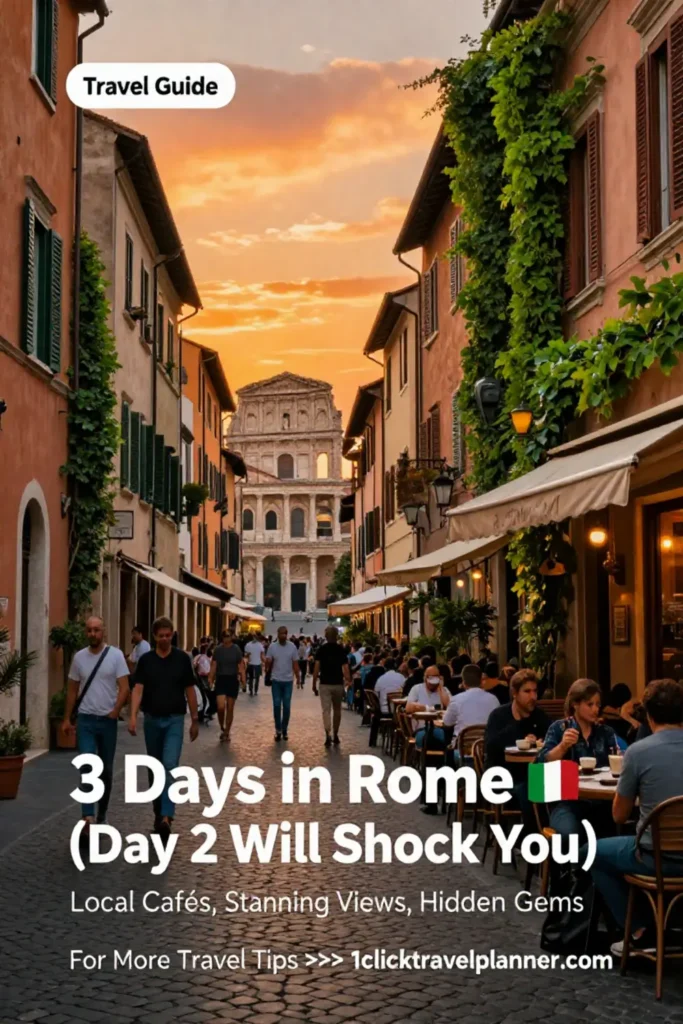
Exploring the rich history, breathtaking architecture, and vibrant culture of Rome is an adventure like no other. Whether it’s your first visit or a return trip, each day unveils something new and exciting. Join us as we dive into an unforgettable journey filled with incredible sights, tantalizing flavors, and experiences that will linger in your heart long after you leave.
What Is 3 Days in Rome (Day 2 Will Shock You)
Rome, the Eternal City, offers an intoxicating blend of antiquity and modern flair. With 3 days to explore, you can experience not just the highlights, but also some hidden gems that will elevate your trip. The second day is particularly thrilling and offers experiences that will leave you in awe.
Why Visit This Destination
Rome isn’t just a city; it’s a living museum filled with art, culture, and history. From world-renowned landmarks to charming cobblestone streets, it captivates every traveler:
- Rich History: Walk in the footsteps of Emperors and artists at the Colosseum and Vatican.
- Stunning Architecture: Marvel at the iconic St. Peter’s Basilica and the Pantheon.
- Culinary Delights: Savor authentic Italian cuisine, from pizza to gelato.
- Cultural Experiences: Enjoy lively piazzas, street performers, and local festivals.
- Art and Museums: Home to masterpieces by Michelangelo and Caravaggio.
Best Things to Do
- Colosseum: Step inside this ancient amphitheater and imagine the gladiator battles.
- Vatican City: A must-see, from the Sistine Chapel to St. Peter’s Square.
- Trevi Fountain: Toss a coin and make a wish at this stunning Baroque landmark.
- Spanish Steps: Climb the steps and enjoy the view of Piazza di Spagna.
- Trastevere: Wander through this charming neighborhood with narrow lanes and vibrant nightlife.
Suggested Itinerary
- Day 1: Arrival and explore the historic center, visiting the Trevi Fountain and Spanish Steps.
- Day 2: Discover the Colosseum, Roman Forum, and Palatine Hill, before heading to Vatican City for the afternoon. Cap the day off with dinner in Trastevere.
- Day 3: Explore the Borghese Gallery in the morning, followed by shopping at Via del Corso and leisurely farewell strolls in Piazza Navona.
Travel Tips
- Budgeting: Consider a Roma Pass for discounts on entrances and public transport.
- Safety: Stay aware of pickpockets, especially in crowded tourist areas.
- Transport: Use public transportation; the metro and buses are convenient for getting around.
- Dining: Avoid eating at touristy spots; seek out local trattorias for authentic flavors.
- Dress Code: When visiting churches, be mindful of dress codes; shoulders and knees should be covered.
Best Time to Visit
The ideal time to visit Rome is during the spring (April to June) and fall (September to October). The weather is pleasant, and the crowds are manageable compared to the summer months. These months also host various festivals that add to the cultural experience.
Where to Stay
Choosing the right neighborhood can enhance your experience:
- Trastevere: A picturesque neighborhood known for its vibrant atmosphere and nightlife.
- Centro Storico: Ideal for tourists, close to major attractions and dining options.
- Vatican Area: Perfect for those who want to be near St. Peter’s Basilica and Vatican Museums.
- Testaccio: A local neighborhood, great for authentic Roman food and experience.
- Monti: A hip area near the Colosseum with boutique shops and cafés.
Common Mistakes to Avoid
- Underestimating distances: Rome’s landmarks may look close, but they’re often a long walk apart.
- Skipping the Vatican: Do not miss this unique part of the city; book tickets in advance to reduce wait times.
- Overpacking your schedule: Allow for some spontaneity; not everything needs to be pre-planned.
- Ignoring local customs: Learning a few Italian phrases can enhance interactions and experiences.
- Dining at tourist traps: Seek out family-run restaurants to taste authentic cuisine.
Frequently Asked Questions
- What are the must-visit sites in Rome? The must-visit sites include the Colosseum, Vatican City, Trevi Fountain, and the Pantheon. Each offers a glimpse into Rome’s rich history and culture.
- How do I get around Rome? Rome has an extensive public transport system including buses, trams, and a metro. Walking is also a great way to explore the city’s picturesque streets.
- Is Rome safe for tourists? Rome is generally safe for tourists, but it’s wise to stay vigilant and avoid dark alleyways, particularly at night.
- What local dishes should I try? Be sure to sample famous Roman dishes like Carbonara, Cacio e Pepe, and supplì; also, don’t miss the gelato!
- What is the dress code for churches in Rome? When visiting churches, both men and women should wear clothing that covers their shoulders and knees. It’s advisable to carry a scarf or wrap.
Conclusion
Conclusion: A trip to Rome is packed with unforgettable moments and breathtaking sights. By following this detailed itinerary and tips, you’ll make the most of your three days. Prepare to immerse yourself in the history, art, and gastronomy that this incredible city has to offer—each corner filled with stories waiting to be discovered!