Prep time: 20 minutes
Cook time: 30 minutes
Total time: 50 minutes
Servings: 4 servings
This collection of **20 healthy fall dinner recipes** is perfect for cozy evenings when you want something hearty yet nutritious. As the weather cools down, these meals will not only warm your soul but also keep your health on track. Each recipe is designed to be simple enough for busy parents, beginners in the kitchen, or anyone looking for budget-friendly meal prep ideas. With a variety of flavors and textures, you’ll find something everyone will love!
What Is 20 Healthy Fall Dinner Recipes Anyone Can Make?
This collection features an assortment of meals that celebrate the flavors of fall. Each dish incorporates seasonal ingredients such as squash, pumpkin, and root vegetables, making them not only delicious but also packed with nutrients. Easy to prepare and satisfying, these recipes will leave you feeling full and happy while also being mindful of your health.
Why You’ll Love This
The charm of these recipes lies in their versatility and ease. Whether you’re a kitchen beginner or a seasoned cook, the simplified steps guide you seamlessly through each process. Furthermore, these meals can be easily adjusted to fit dietary preferences or ingredient availability. Embrace the vibrant and warm flavors of autumn while ensuring you’re nourishing your body!
Ingredients You’ll Need
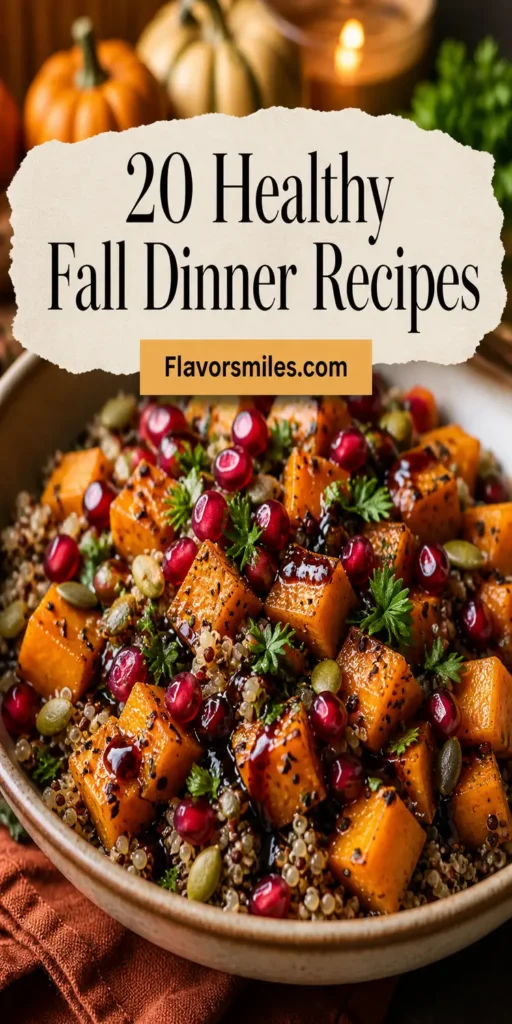
- Butternut squash: Creamy and sweet, this vegetable is a fall staple. It enhances the texture and flavor of your dishes.
- Quinoa: A protein-rich grain that provides a satisfying base for many recipes. It’s gluten-free and fills you up.
- Spinach: Rich in iron and vitamins, spinach adds a fresh element to cooked meals.
- Lentils: Packed with protein and fiber, lentils are perfect for creating hearty, meatless dishes.
- Chicken thighs: Juicy and flavorful, these cuts of meat are more forgiving than chicken breasts when it comes to cooking times.
- Garlic: This aromatic ingredient adds depth and enhances the overall flavor profile of your meals.
- Onions: Sweet or savory, onions bring a rich flavor base to many fall dishes.
- Olive oil: A healthy fat for cooking that enriches dishes while allowing for high-heat cooking methods.
- Herbs: Fresh herbs like rosemary or thyme elevate meals and embody the essence of autumn.
- Vegetable or chicken broth: Use this for a richer flavor in soups or sauces.
[Image will be inserted here]
How to Make
- Begin by prepping your vegetables. Peel and cube the butternut squash, chop the onions, and mince the garlic. Ensure all pieces are relatively uniform in size for even cooking.
- In a large pot, heat a drizzle of olive oil over medium heat. Add the chopped onions and garlic, sautéing until the onions are translucent and fragrant, about 5 minutes.
- Add the butternut squash and a pinch of salt, stirring well. Cook for another 5-7 minutes until the squash starts to soften.
- Incorporate the vegetable or chicken broth and bring to a boil. Once boiling, reduce to a simmer and add the quinoa. Cover and let simmer for 15 minutes or until quinoa is fluffy and the squash is tender.
- Finally, stir in the spinach and lentils (if using), cooking just until the spinach wilts, around 2 minutes.
- Season to taste with salt and pepper and garnish with fresh herbs before serving.
Variations & Substitutions
Vegetarian Option: To make these recipes vegetarian, simply replace meats with extra legumes or tofu. You can also add nuts for a crunchy texture. Consider switching chicken broth for vegetable broth as well.
Spice Level: Adjust the spice level to your liking! Add crushed red pepper flakes or cayenne for heat, or experiment with curry powder for a different flavor profile. If your family prefers milder dishes, keep it more subdued and offer hot sauces on the side.
Grain Swap: If you’re not a fan of quinoa, consider using brown rice, barley, or farro as a base. Each grain provides a unique chewiness and flavor that can complement the fall ingredients beautifully.
Seasonal Vegetables: Feel free to replace butternut squash with sweet potatoes or any root vegetables you prefer. Seasonal veggies provide freshness while aligning perfectly with fall themes.
Common Mistakes to Avoid
Overcooking vegetables: Be cautious not to overcook your vegetables. While cooking down, check them frequently to maintain a nice texture. Overcooking can lead to mushy and unappetizing meals.
Seasoning too late: Season your dishes gradually as you cook. Adding salt at the end can lead to uneven distribution and unsatisfactory flavor. Instead, season little by little throughout the cooking process.
Not letting grains rest: When cooking grains like quinoa, avoid the temptation to immediately fluff them. Allow them to rest for around 5 minutes covered after cooking; this will lead to a better texture.
Storage, Freezing & Reheating Tips
Make sure to cool the dishes completely before storing them. Transfer to airtight containers, and they can be kept in the refrigerator for up to 4 days. Most of these meals freeze beautifully. Ensure they’re well-sealed to prevent freezer burn, and consume within three months for optimal freshness. To reheat, you can microwave, but stovetop is recommended for maintaining texture.
Frequently Asked Questions
Can I use frozen vegetables instead of fresh ones? Absolutely! Frozen vegetables can save time and are often just as nutritious as fresh. When using frozen produce, consider adding them later in the cooking process to prevent overcooking.
How do I know if my quinoa is cooked? Quinoa is cooked when it appears fluffy, and the little tails (germ) have separated from the grain. Taste it; it should be pleasantly chewy but not crunchy.
Can I use different types of broth? Yes, you can use any broth – chicken, beef, or vegetable. Each version will bring its unique depth of flavor to the recipes, creating a richer meal.
What’s the best way to store leftovers? Store leftovers in airtight containers in the refrigerator and consume them within 4 days. For longer storage, freeze them in meal-sized portions.
How can I make this dish healthier? To increase the health benefits, include more vegetables and legumes, and reduce the amounts of oils or fats. Embrace fresh herbs and use whole grains instead of refined ones for better nutrition.
Conclusion:
These **20 healthy fall dinner recipes** are here to inspire you as the seasons change. With their hearty ingredients, enticing aromas, and cozy warmth, they will become staples in your kitchen. Whether for a family meal or a weeknight dinner, these recipes keep you healthy and satisfied without sacrificing flavor. So roll up your sleeves, get cooking, and enjoy the rich tastes of fall!