Prep time: 15 minutes
Cook time: 30 minutes
Total time: 45 minutes
Servings: 4
There’s nothing quite like the enticing aroma of a simmering curry wafting through your kitchen, conjuring memories of **warm family gatherings** and **comforting dinners**. If you’ve ever craved a dish that hugs your soul while bursting with rich, creamy flavors, then 🍛 Authentic Thai Panang Curry is the answer. This dish isn’t just about satisfying hunger; it offers a culinary journey filled with the essence of Thai cuisine. You will find that it is easy to make, packed with **aromatic spices**, and can easily be customized to suit your taste or dietary restrictions.
In this article, you will learn all you need for preparing this luxurious curry—from **key ingredients** to **step-by-step recipes**, including tips and variations. Whether you are a busy parent looking to whip up a quick meal or a culinary enthusiast wishing to impress friends, this recipe will guide you through a hearty experience that captures the essence of authentic Thai flavors.
What Is 🍛 Authentic Thai Panang Curry (Rich, Creamy & Flavorful)?
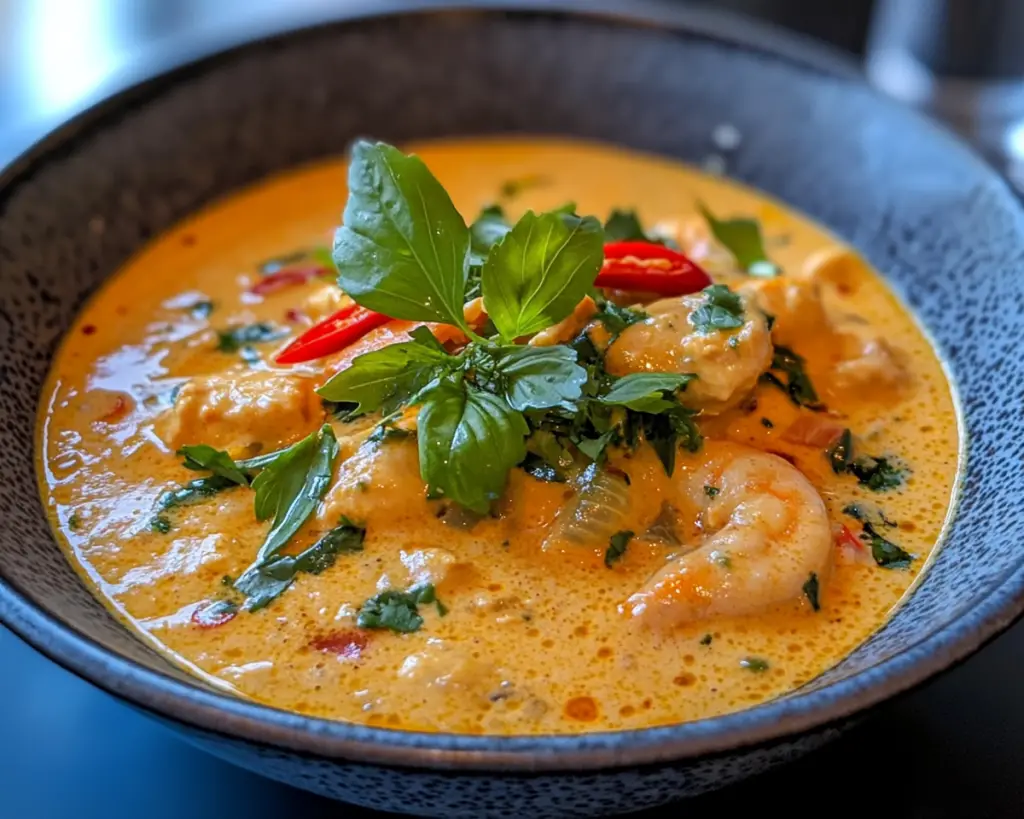
Authentic Thai Panang Curry is a beloved dish originating from Thailand, specifically the central region. Unlike other Thai curries, Panang is known for its unique **richness** and **creamy texture**, achieved by using coconut milk as a base. The distinct flavor comes from **Panang curry paste**, which is a blend of **spices like lemongrass, galangal, kaffir lime leaves, and dried chili peppers**. This mixture creates an incredibly aromatic foundation that delivers a slight **spicy kick** balanced by the sweetness of coconut milk.
The color of the cooked curry is a deep, vibrant red, inviting you to delve into its warming embrace. With its comforting aroma and layered flavors, Panang Curry is not only satisfying but also versatile, allowing for a variety of proteins or plant-based options. The harmony of savory and sweet makes each bite a delightful experience for your taste buds.
Why You’ll Love This
One of the main reasons you will adore this recipe is its **ease of preparation**. With just a handful of ingredients, you can create an impressive dish in less than an hour. Not only is it quick, but it is also budget-friendly, using affordable ingredients that are often already in your pantry. The health benefits of this dish can’t be overlooked either; it’s packed with nutrients from vegetables and contains protein if you choose to add chicken, tofu, or shrimp.
Many believe that crafting a homemade curry is complicated, but this recipe dispels those myths. You do not need to be a culinary expert to make a delicious Panang Curry that rivals restaurant-quality dishes. It is all about properly balancing the flavors and textures, something that this recipe guides you through step-by-step. Once you master it, feel free to get creative with your own twists!
Ingredients You’ll Need
- 2 tablespoons of Panang curry paste: This is the heart of the dish. Feel free to adjust the quantity according to your spice preference. You can find it at Asian grocery stores or online.
- 1 can (400ml) of coconut milk: The backbone of the creamy sauce; it adds richness and balances the spices. Use full-fat coconut milk for maximum creaminess.
- 1 pound of protein (chicken, beef, tofu, or shrimp): Choose what suits your preference. Thinly slice your protein for quick cooking.
- 1 tablespoon of vegetable oil: This is used for sautéing the curry paste, releasing its aroma.
- 1 tablespoon of fish sauce: Essential for authentic flavor; it offers depth. For a vegetarian option, use soy sauce or a vegan fish sauce.
- 1 tablespoon of sugar: Balances the spices. You can substitute this with palm sugar or a natural sweetener.
- 2 kaffir lime leaves: These add a unique citrus aroma to the dish. If unavailable, you may replace them with lime zest.
- 1 red bell pepper: Cut into strips to add sweetness and color.
- 1 cup of Thai basil leaves: These impart a fresh aroma. You can use regular basil as a substitute, but the flavor will differ slightly.
How to Make
- Begin by preparing your ingredients. Slice your chosen protein into thin strips to ensure even cooking. Also, chop the bell pepper and wash the Thai basil leaves, setting everything aside.
- In a large saucepan or wok, heat the vegetable oil over medium heat. Once the oil is hot, add the Panang curry paste. Sauté the paste for about 2-3 minutes until it becomes fragrant. This step is crucial because it releases the flavors from the spices.
- Add the sliced protein to the pan. Stir well to coat the protein with the curry paste, cooking it for about 3-5 minutes until it begins to brown slightly. Make sure to stir frequently to prevent the paste from burning.
- Pour in the coconut milk slowly while stirring to combine everything smoothly. This will help you achieve that creamy, luscious sauce that makes Panang Curry so delightful. Add the fish sauce and sugar, and stir well once again.
- Now, bring the mixture to a gentle simmer. Add the kaffir lime leaves, allowing them to infuse their aromatic oils into the curry. Simmer the dish for approximately 10-15 minutes, which helps deepen the flavors and tenderize the protein.
- After the simmering period, add the bell pepper strips. Allow them to cook for another 3-5 minutes until they are slightly tender yet retain a bit of crunch for texture.
- Finally, remove the curry from heat and fold in the Thai basil leaves. They will wilt immediately, enhancing the aroma of the dish. Taste and adjust seasonings if necessary.
Variations & Substitutions
Vegetarian Panang Curry: If you want to make a vegetarian or vegan version, substitute the protein with tofu or a mix of your favorite vegetables, such as zucchini, carrots, and baby corn. This variation will keep all the rich flavors intact while ensuring it’s safe for those on a plant-based diet. Make sure to press the tofu to remove excess moisture so that it can soak in the flavors better.
Panang Curry with Nuts: Another exciting variation involves adding crushed peanuts or cashews. Not only will they provide a delightful crunch, but they also add another layer of flavor and creaminess to the dish. Simply sprinkle them on top just before serving to keep their texture intact.
Slow Cooker Panang Curry: If you are a fan of slow cooking, you can transform this recipe for a slow cooker. Combine the curry paste with coconut milk, your choice of protein, and chopped vegetables in your slow cooker. Set it on low for 6-8 hours, and you’ll come home to an incredibly flavorful meal that’s ready to serve. Just add the basil before serving.
Common Mistakes to Avoid
When making **Panang Curry**, one common mistake is using too much curry paste, leading to overwhelmingly spicy flavors. Start with less— you can always add more later. Also, be cautious not to overcook the coconut milk as it can separate, which ruins the creamy texture. Always simmer gently once the coconut milk is added.
Another frequent error is neglecting the balance of flavors. Make sure to taste your dish as you go; if it lacks depth, it may need a pinch more sugar or fish sauce for balance. If your curry turns out too thick, you can always thin it down with a little water or additional coconut milk.
Storage, Freezing & Reheating Tips
Panang Curry can be stored in an airtight container in the refrigerator for up to 3 days. To reheat, simply heat it on the stovetop over low heat until warmed through. Stir frequently to maintain the creamy consistency.
If you want to make a batch in advance, consider freezing portions. Allow it to cool completely before transferring to freezer-safe containers. It can be stored in the freezer for up to 3 months. When you’re ready to enjoy it, thaw overnight in the refrigerator. Reheat gently to preserve texture.
Always practice safe food handling. If the curry has been left out for more than 2 hours, it’s best to discard it to prevent foodborne illnesses.
Frequently Asked Questions
Can I make Panang Curry spicy? Absolutely! If you enjoy heat, increase the amount of Panang curry paste you use, or add a couple of sliced red chilies to the dish while cooking. Additionally, you can serve it with fresh chili slices for extra spiciness.
Can I use other proteins besides chicken? Yes! This dish is incredibly versatile. Apart from chicken, you can use shrimp, beef, or even skip the meat entirely for a vegetarian option using tofu or tempeh. Adjust cooking times as necessary based on the protein choice.
What should I serve with Panang Curry? This delicious curry pairs beautifully with steamed jasmine rice, which helps soak up the rich sauce. You can also serve it with crispy spring rolls or a fresh salad to round out the meal.
Is Panang Curry healthy? Yes, it can be! It is a nutritious dish infused with protein and vegetables, and it uses **coconut milk**, which contains healthy fats. However, be mindful of portion sizes as it can be calorically dense due to the coconut milk content.
How can I make this recipe gluten-free? To make your Panang Curry gluten-free, use certified gluten-free fish sauce and check the labels on the curry paste. Most of these ingredients should be gluten-free, but it’s always best to ensure they are suitable for your dietary needs.
Conclusion:
In summary, **Authentic Thai Panang Curry** is not only a pure delight to the taste buds but is also a wonderful dish of comfort and warmth. Its rich, creamy nature combined with the irresistible aromas takes your dining experience to another level. Whether you’re looking for a quick weeknight dinner or an impressive meal for guests, this recipe has you covered. Don’t hesitate to customize it according to your preference; the real beauty of cooking lies in making dishes your own. Give it a try, savor every bite, and most importantly, share your experience with friends and loved ones!